
.webp)
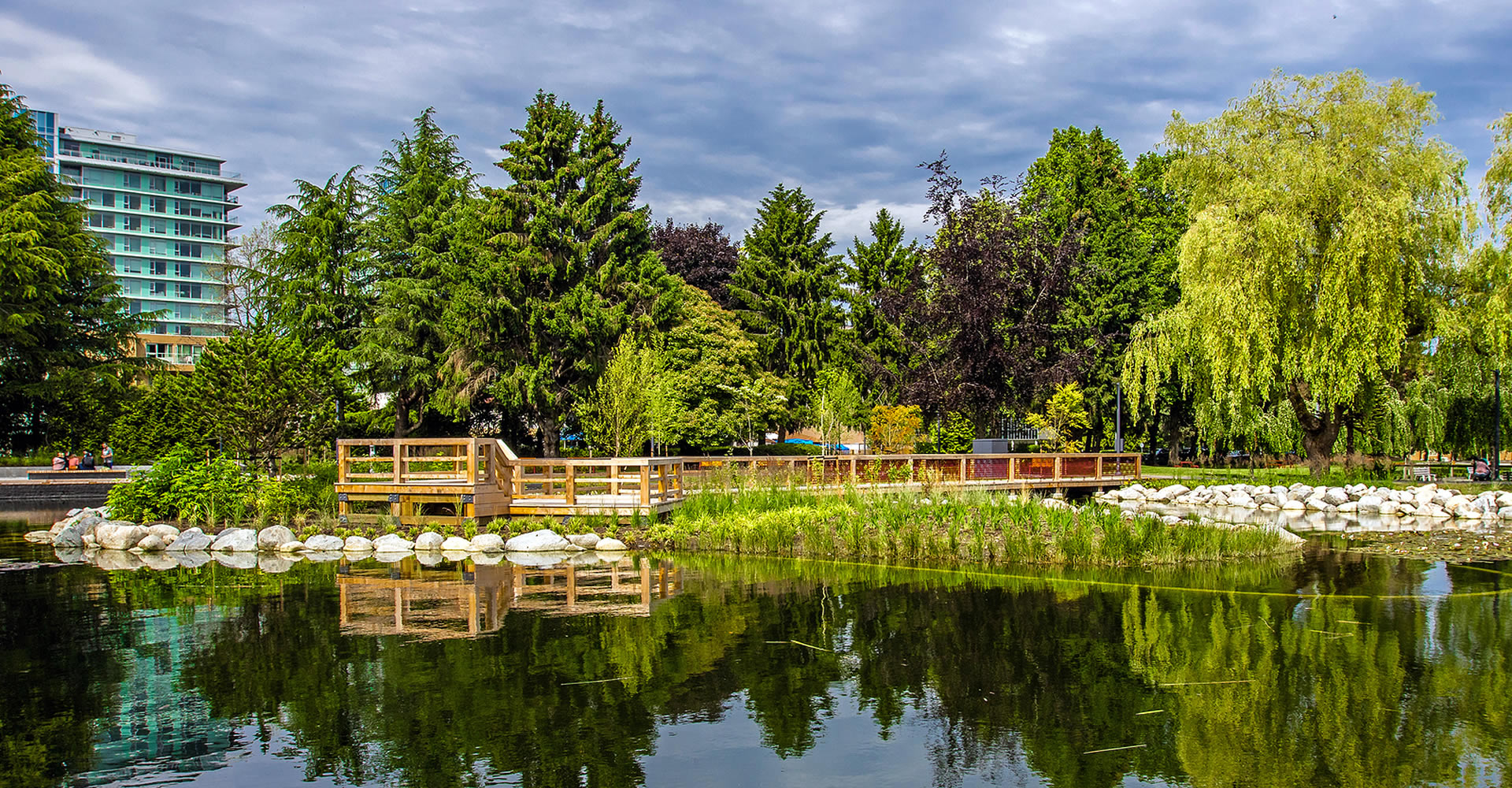
Stormwater ponds form a part of modern stormwater management systems. As the name suggests, they collect and manage runoff from rainwater to prevent flooding and erosion downstream. There are two types of stormwater ponds: detention ponds and retention ponds (wet ponds). However, not all property owners understand the key functions of these ponds and how they should be maintained.
In this article, Aquatic Restoration looks into the common things property owners confuse about stormwater ponds. As a premier lake services company in Georgia, we know what goes into keeping various lakes and ponds in peak condition. From lake dredging to shoreline stabilization and retention pond maintenance, we do it all. The information we’ll share in this post will help you better understand the purpose of stormwater ponds and clear up common misconceptions.
One common area of confusion is the difference between detention ponds and retention (wet) ponds. Detention ponds are designed to temporarily hold stormwater and slowly release it after a storm, remaining dry most of the time. Retention ponds, on the other hand, maintain a permanent pool of water and treat runoff by allowing sediments and pollutants to settle. Property owners sometimes assume both types function the same way, leading to incorrect maintenance practices that reduce their effectiveness.
Many property owners believe stormwater ponds are “set-it-and-forget-it” systems. In reality, routine maintenance plays a key role in keeping these ponds in top shape. Sediment buildup, erosion, invasive vegetation, clogged outlets, and poor water quality can all develop without regular inspection and care. Neglecting maintenance not only reduces performance but may also violate local stormwater regulations. It’s best to schedule regular retention pond maintenance to avoid issues like collapsing.
Another common misunderstanding involves water quality expectations. Many property owners expect stormwater ponds to remain clear and free of algae at all times. However, these ponds collect runoff that carries nutrients, oils, and debris, making some discoloration or algae growth normal. The goal of a stormwater pond is effective treatment and flow management, not aesthetic perfection. So, do not stress about occasional algae growth or murky water. Instead, focus on whether the pond is functioning properly.
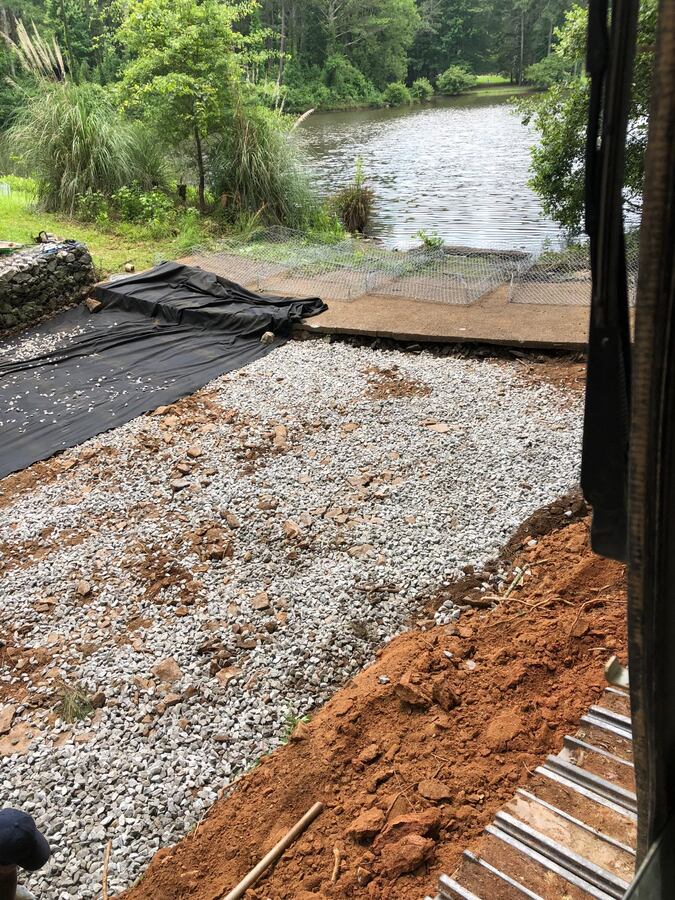
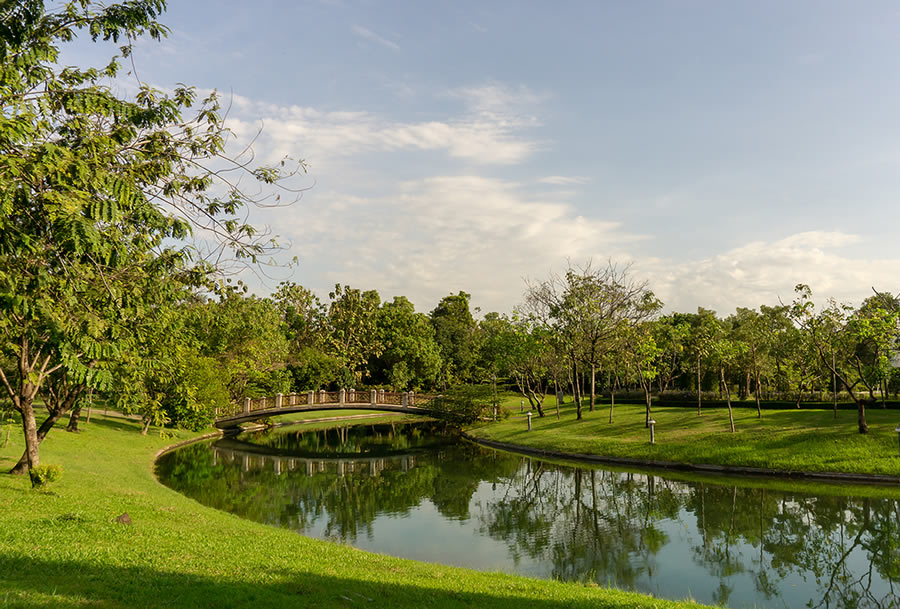
Safety concerns are often overlooked. Steep banks, fluctuating water levels, and uncontrolled vegetation can create hazards for people and wildlife. Some property owners assume safety features are optional, but many municipalities require measures such as stabilized slopes, buffer zones, and signage to reduce risk. Ignoring safety considerations set out by local municipalities can land you on the wrong side of the law.
Property owners sometimes assume maintenance responsibility lies entirely with local governments or homeowners’ associations. While this may be true in some cases, many stormwater ponds are privately owned, making detention pond maintenance the legal responsibility of the property owner. Failing to understand ownership obligations can result in fines, enforcement actions, or costly emergency repairs.
Do you need help maintaining your stormwater pond? Is it time for lake dredging? Need an inspection to determine the condition of your lake or pond? Contact the professionals at Aquatic Restoration. Our team is on standby to help you preserve and rejuvenate your stormwater pond. Aquatic Restoration is a second-generation owned business that offered professional services, including detention pond maintenance, drain replacement, dam repairs, stormwater pond maintenance, siphon installation, and more. Our goal is to maintain optimal aquatic health with top-notch management solutions. Contact Aquatic Restoration to schedule an appointment and learn more about the lake services we offer.
Excessive plant growth is bad news for your lake. It may not seem like a serious issue until the water…
Lakes and ponds accumulate sediment, sludge, and accumulated organic debris at the bottom, leading to deteriorating water quality, oxygen depletion,…
Have you ever wondered why algae blooms often get worse during summer months? Warm temperatures, extra sunlight, and nutrient availability…

Did you know that municipalities are responsible for publicly owned ponds? These ponds come in handy for flood control…
Does your pond or lake look murky, discolored, or overrun by algae? Is the water noticeably shallower? These are common…