


Lake management is an integral part of keeping your lake in peak condition. It involves activities such as lake dredging, water quality monitoring, shoreline stabilization, nutrient management, and more. Effective management improves water quality, prevents flooding, and preserves vital habitats. It’s advisable to schedule regular maintenance with a professional lake services company in order to maintain a thriving water body.
If you own a lake or you’re responsible for managing one, you may be wondering how often you should have an expert manage your lake. This is one of the common questions we get from curious lake owners. In this blog post, we’ll discuss the frequency for professional lake management in Georgia, the factors that influence service schedules, and why routine monitoring is essential for long-term water quality and ecosystem balance.
Professional lake management and detention pond maintenance focus on prevention rather than reaction. Routine monitoring helps identify imbalances early, allowing experts to correct them before they become costly or environmentally damaging.
For most private and community lakes, monthly or bi-monthly service visits during the active growing season are recommended. During these months, warmer temperatures accelerate algae growth, aquatic weeds, and bacterial activity. Regular inspections allow professionals to:
In colder months, lakes require less frequent service. However, quarterly check-ins or seasonal assessments are still beneficial to ensure equipment is functioning properly and to prepare for seasonal transitions. Be sure to work with a dependable lake services company that understands what goes into keeping water bodies in top shape.

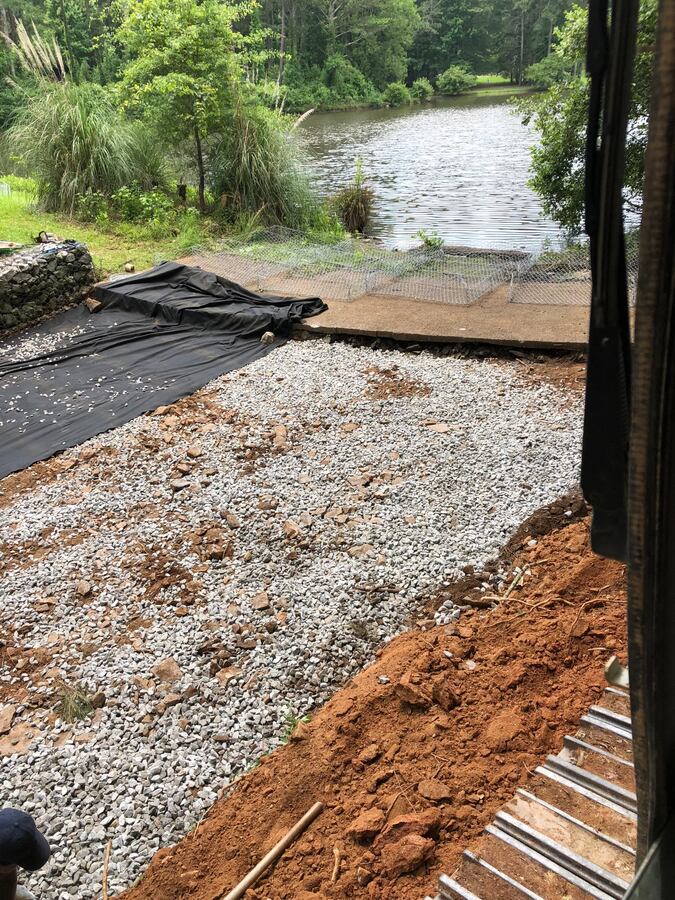
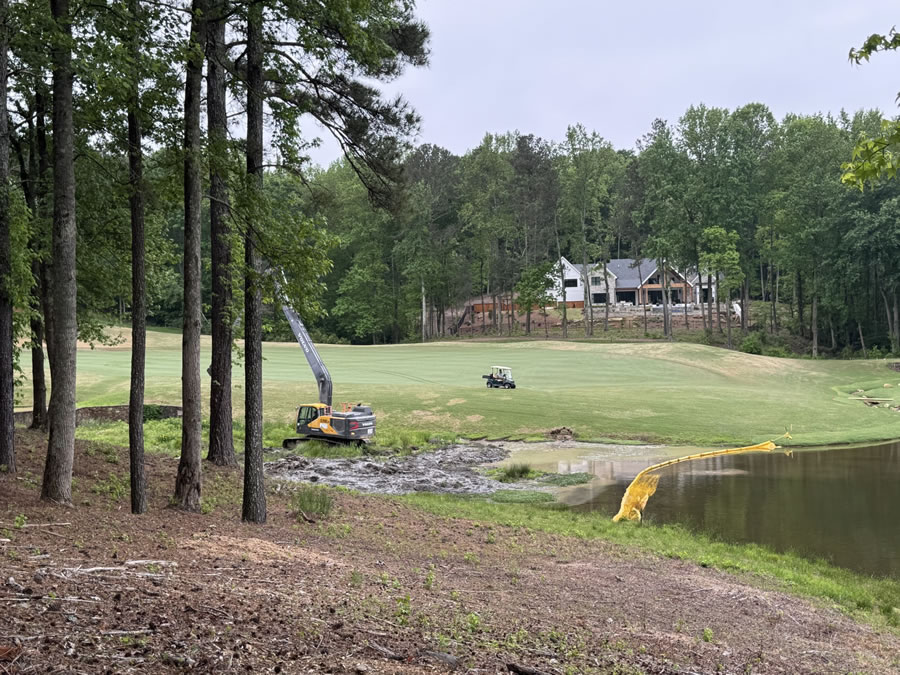
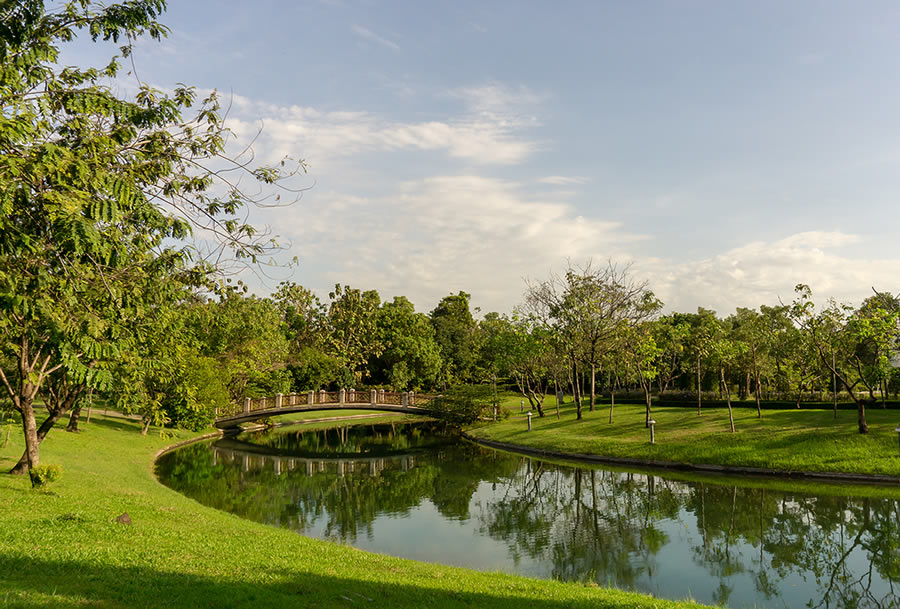
Several variables determine how often a lake should be professionally managed:
Larger lakes may require more extensive monitoring, while shallow lakes often experience faster weed and algae growth due to sunlight penetration.
Lakes near residential areas, golf courses, farms, or landscaped properties are more vulnerable to fertilizer runoff. Excess nutrients fuel algae blooms and may require more frequent monitoring and treatment.
Lakes used for recreation, such as swimming, boating, or fishing, need consistent maintenance to ensure water clarity and safety. No one wants to swim in murky, algae-filled water, navigate through thick mats of invasive weeds, or reel in unhealthy fish.
If a lake has a history of algae blooms, invasive species, or fish die-offs, more frequent professional oversight may be necessary to restore balance.
Lakes equipped with aeration systems, fountains, or diffusers should be inspected regularly to ensure proper operation.
If you’re not sure when to schedule lake management service, contact a nearby lake service provider. The experts have the expertise and have worked with a wide range of water bodies, so they know a thing or two about aquatic health. You can also rely on the specialists for services such as detention pond management, siphon installation, and spillway renovation.
Looking for a trusted lake management company? Get in touch with Aquatic Restoration. We’ve been in the lake management business for over 35 years and have helped countless clients maintain optimal aquatic health. Whether you’re in need of retention pond maintenance or need a comprehensive inspection to determine the overall condition of your lake, we’ve got you covered. Our team is dedicated to keeping water bodies healthier, cleaner, and more vibrant than before. Call us now to schedule a consultation with our specialists and learn more about how we can help you keep your lake in tip-top condition.

Retention ponds help manage stormwater runoff, reduce flooding, and capture sediment before it reaches nearby waterways. However, retention pond maintenance…
.webp)
Stormwater management is an essential part of controlling rainwater runoff and protecting natural ecosystems. There are two options that often…

Dredging is an integral part of preserving a lake’s natural balance. Removing accumulated sand, silt, mud, and decaying organic debris…

A retention pond may become an environmental liability when it develops excessive algae, accumulates heavy sediment, suffers shoreline erosion,…

Dredging removes accumulated sediment, muck, sludge, and decaying organic debris from the bottom of a water body. This process is…