
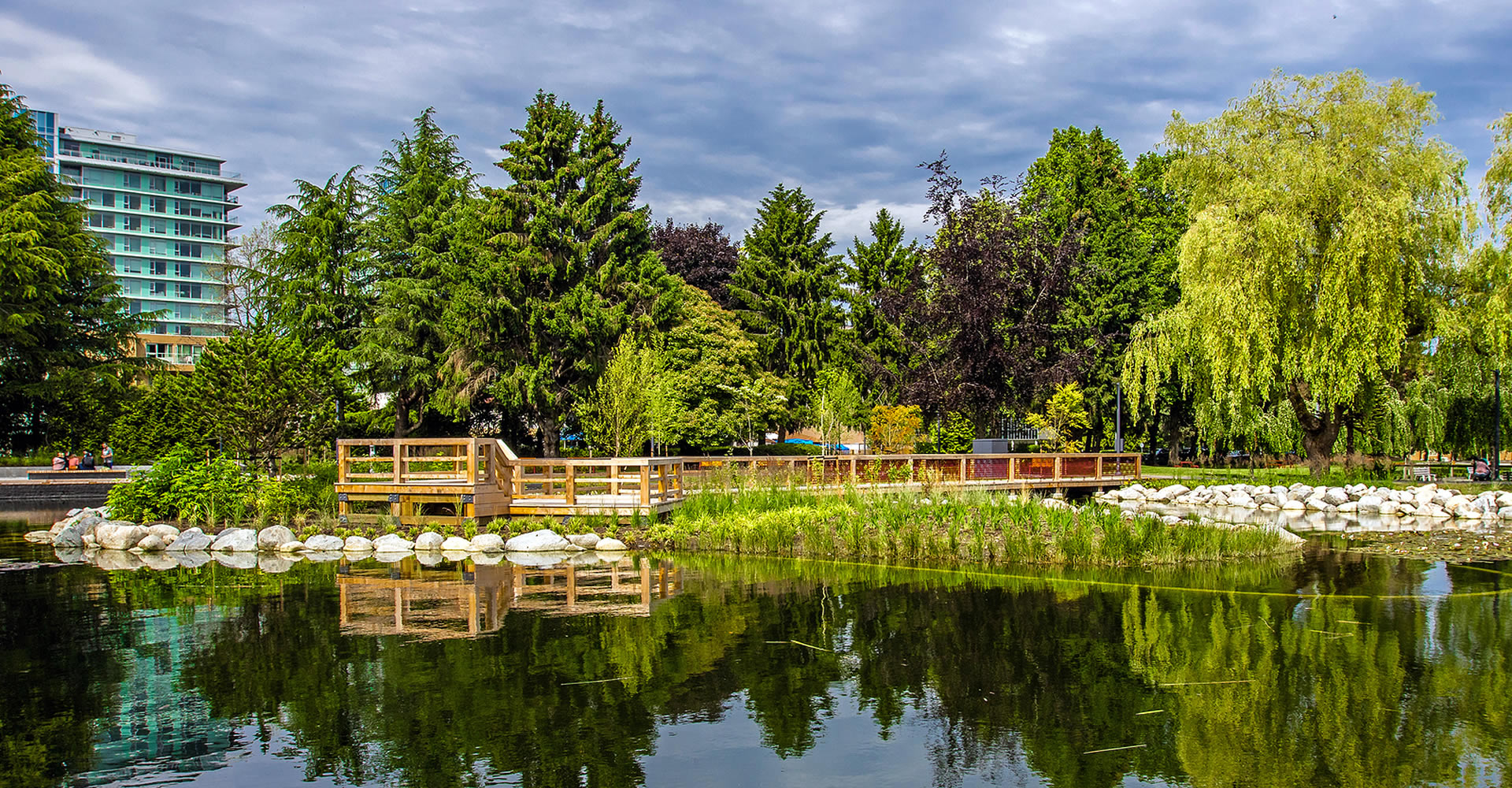
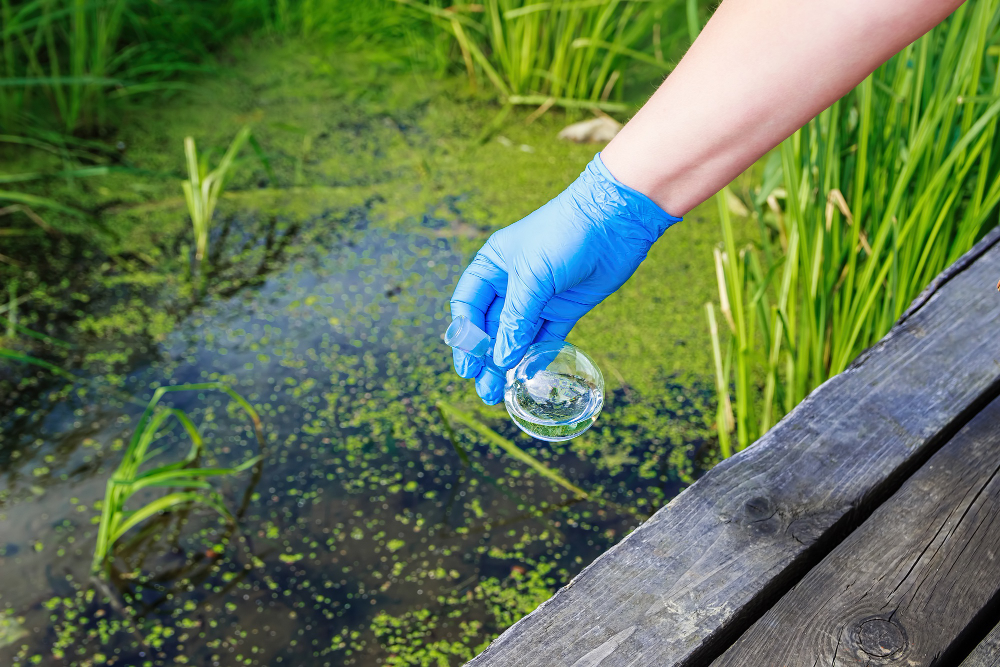
When it comes to maintaining healthy water bodies, there are two primary methods that are often used: dredging and pond cleaning. Whether you’re looking to improve water quality, restore depth, or enhance aquatic habitat, it’s important to know whether your pond requires dredging or cleaning.
Aquatic Restoration has worked on countless lakes and ponds for more than 35 years. We’re renowned for providing professional services, including retention pond maintenance, spillway renovation, and more. One of the common questions we get is, what’s the difference between lake dredging and pond cleaning in Georgia? In this post, we’ll look into the differences between the two methods to help you take better care of your pond or lake.
Pond cleaning focuses on routine maintenance and surface-level improvements. It is typically performed on a regular basis to keep a pond healthy, visually appealing, and functioning properly. Pond cleaning targets debris that accumulates on or near the surface, such as leaves, sticks, algae, trash, and decaying organic matter.
This process includes skimming debris, removing excessive algae or aquatic weeds, cleaning filters and pumps, and sometimes vacuuming light sediment from the pond bottom. Pond cleaning helps improve water clarity, reduces odors, prevents algae blooms, and supports aquatic life by maintaining proper oxygen levels.
Pond cleaning is ideal for decorative ponds, stormwater ponds, koi ponds, and detention pond maintenance. Because it is less invasive, pond cleaning is quicker, more affordable, and causes minimal disruption to plants and wildlife.
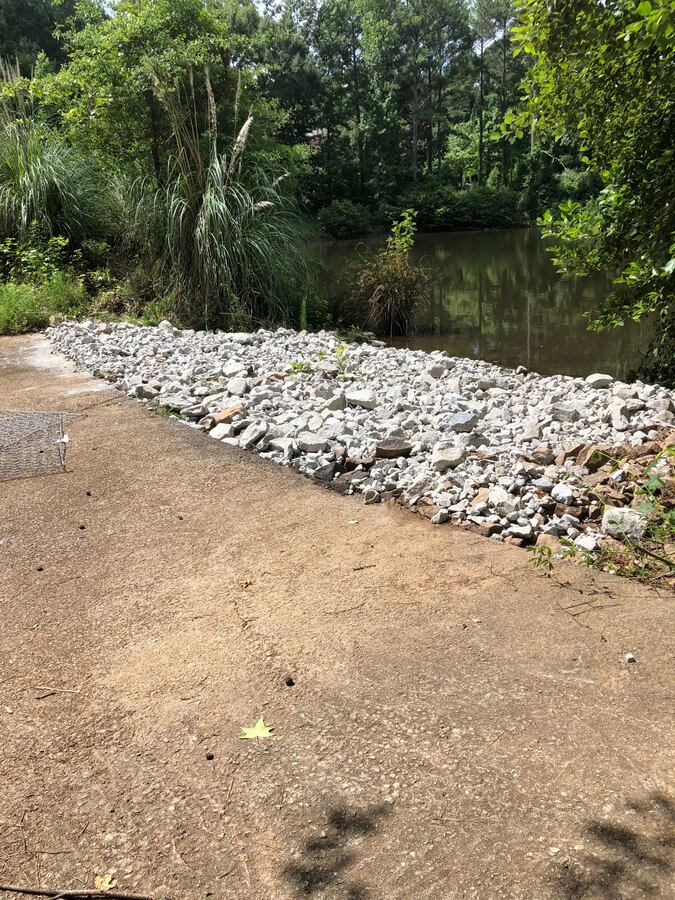
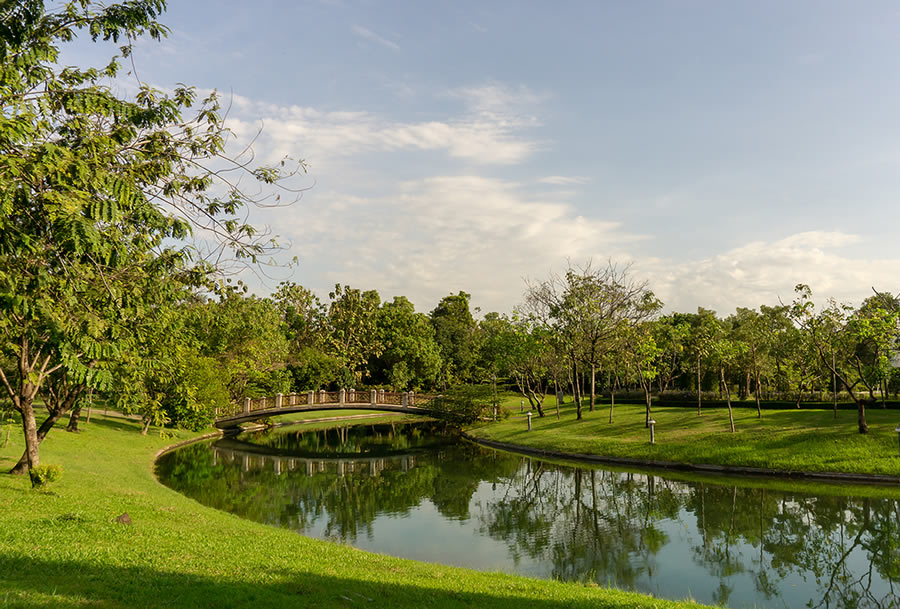
Dredging is a much more intensive and large-scale process. It involves removing accumulated sediment from the bottom of a pond to restore depth and capacity. Over time, soil erosion, runoff, and decaying organic material settle on the pond floor. When sediment buildup becomes excessive, pond cleaning alone is no longer sufficient.
Dredging removes thick layers of mud, silt, and sludge using specialized equipment such as hydraulic dredges, excavators, or suction pumps. This process can reshape the pond bottom and is necessary when a pond has become too shallow, is experiencing chronic water quality problems, or no longer meets its original design purpose.
Because dredging disturbs the pond environment, it is done less frequently—every 10 to 20 years. It may require permits and environmental assessments, especially for larger ponds or those connected to natural waterways. A lake dredging company should be able to obtain permits with ease and get the job done with minimal disruption.
The primary difference between the two lies in depth and intent. Pond cleaning addresses visible and shallow issues, while dredging corrects long-term sediment accumulation. Pond cleaning is preventive and an integral part of retention pond maintenance; dredging is corrective and restorative.
Another major difference is cost and complexity. Pond cleaning is cheaper and can be performed quickly with minimal equipment. Dredging, on the other hand, is more expensive, time-consuming, and labor-intensive due to the heavy machinery and disposal requirements.
Looking for a dependable lake services company? You’ve come to the right place. Perhaps your once lively blue pond has become an eyesore with mats of algae, or maybe a thick layer of sludge at the bottom of the pond is exceeding the acceptable limit. In any case, you need to work with a lake management company you can trust. Aquatic Restoration is a top-rated company that offers a comprehensive range of services, including dredging, detention pond maintenance, shoreline stabilization, spillway renovation, and many more. Our experienced technicians are equipped with state-of-the-art tools and equipment to get the job done and keep your pond in tip-top shape.
Spillways act as safety valves for ponds and lakes. They safely let extra water flow out when heavy rain fills…
Community lakes are often taken for granted until the water turns green, the fish die, and the shoreline starts to…
Retention ponds in HOA communities are important for flood prevention, controlling water flow, and filtering pollutants. When detention ponds…
Lakes naturally accumulate sediment over time due to stormwater runoff, shoreline erosion, and the decay of aquatic plants. Without…

Retention ponds are vital to managing stormwater and preventing flooding. Found in suburban neighborhoods, HOAs, roadsides, public parks, and commercial…