
There are many incredible benefits that come with restoring natural lake depth. Not only does it improve water quality and ecological health, but it also enhances the overall aesthetic appeal of the lake. For retention ponds and water bodies, maintaining the perfect depth plays a crucial role in flood prevention. Coupled with professional retention pond maintenance, you can prevent more costly problems down the line.
Here at Aquatic Restoration, we pride ourselves on offering a comprehensive range of lake services. Some of the services we offer include lake dredging, spillway renovation, shoreline stabilization, and many more. Today, we’ll share tips on how to restore natural lake depth safely.
One of the most common and effective methods for restoring lake depth is dredging. Dredging involves removing accumulated sediment from the lake bottom to restore its original depth and water capacity. There are two main types of dredging: mechanical and hydraulic.
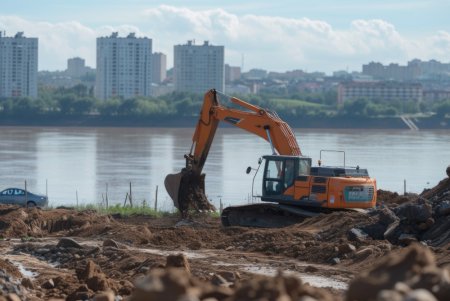
As the name implies, mechanical dredging uses specialized excavators or cranes to physically remove compacted sediment and muck. This technique is highly effective for smaller and shallower lakes. The equipment used for mechanical dredging can handle tough materials like clay, rubble, rocks, tree stumps, logs, and many more. In addition, it’s ideal for working in confined spaces.
This technique involves using suction-based equipment to remove underwater sediment and pumping it to a disposal site. It is recommended for larger, deeper lakes to remove a considerable amount of sediment with less shoreline disruption. Hydraulic lake dredging is cost-effective for large projects and minimizes environmental disruption. In addition, it offers a higher level of efficiency and speed.

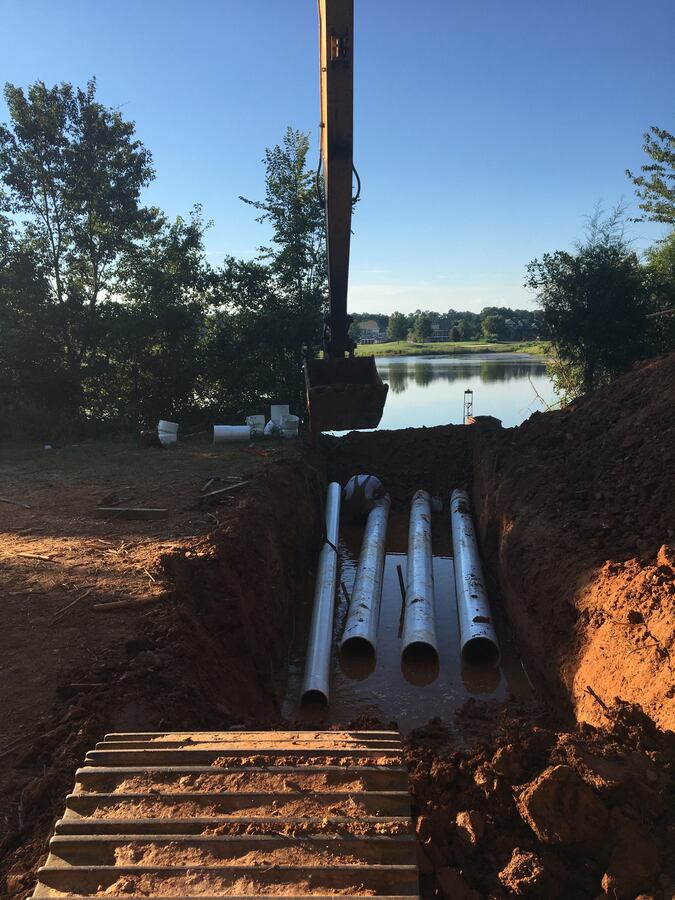
Just like mechanical dredging, hydraulic dredging has to be handled by an expert to ensure the job is done right. Everything from site preparation to suction, slurry transport, dewatering, and sediment disposal needs to be handled by a team of experts.
Selective vegetation management can also support depth restoration. Excessive aquatic plant growth can trap sediment and organic material, accelerating lake shallowing. Safe and environmentally approved methods such as mechanical harvesting, biological controls, or carefully regulated herbicide applications help control invasive or overgrown vegetation. These methods improve water circulation, reduce organic buildup, and help maintain balanced aquatic ecosystems when performed by qualified professionals.
Another safe approach to restoring lake depth involves sediment control and prevention. Removing sediment without addressing its source often leads to recurring problems. Installing erosion control measures such as buffer vegetation, shoreline stabilization, detention pond maintenance, and runoff management systems can reduce sediment entering the lake. Native grasses, shrubs, and trees planted around the shoreline help filter pollutants and soil particles before they reach the water. These natural buffers also improve habitat for wildlife and enhance the lake’s overall appearance.
Get in touch with a local lake management company in Georgia if you’ve noticed any of these signs. The earlier you act, the easier and more cost-effective it will be to address the problem before it escalates.
If you’re looking for professional lake dredging services, Aquatic Restoration is here to help. With over 35 years of experience in lake management, we offer a full range of services designed to restore and maintain the health of your lake. This includes retention pond maintenance, siphon installation, aquatic plant removal, and more. We use environmentally friendly methods to promote your lake’s long-term health. Contact us today for expert advice and lake restoration services. Let Aquatic Restoration help you restore your lake’s natural depth.
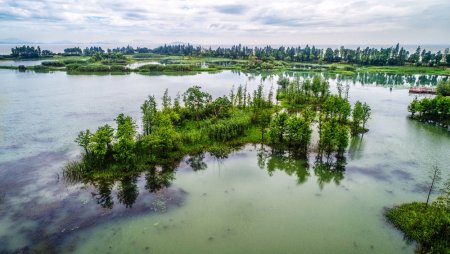
Spillways act as safety valves for ponds and lakes. They safely let extra water flow out when heavy rain fills…
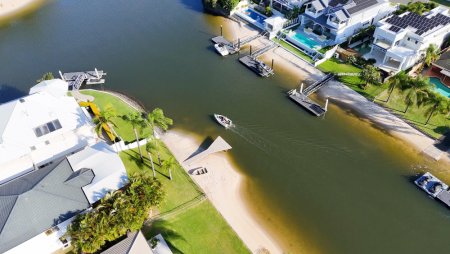
Community lakes are often taken for granted until the water turns green, the fish die, and the shoreline starts to…
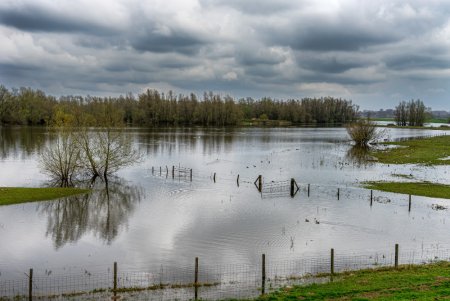
Retention ponds in HOA communities are important for flood prevention, controlling water flow, and filtering pollutants. When detention ponds…
Lakes naturally accumulate sediment over time due to stormwater runoff, shoreline erosion, and the decay of aquatic plants. Without…

Retention ponds are vital to managing stormwater and preventing flooding. Found in suburban neighborhoods, HOAs, roadsides, public parks, and commercial…