Owning waterfront property is a dream come true for many people. Everything from the stunning views to a relaxing lifestyle and the vacation appeal makes the investment attractive. Provided, of course, you stay on top of waterfront property maintenance. One of the critical maintenance tasks that’s often overlooked and underappreciated is lake dredging.
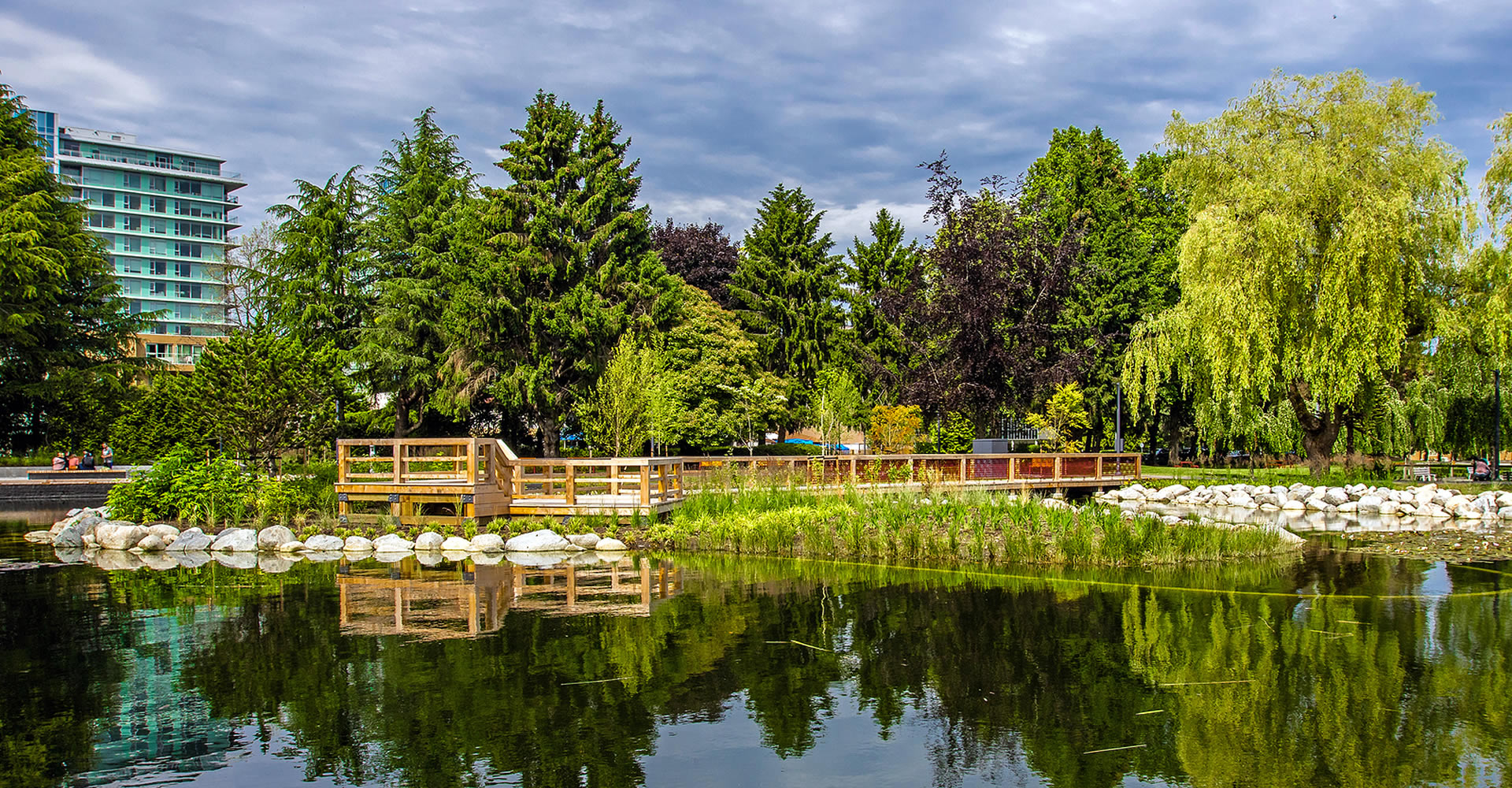
Removing sediment and debris from a water body goes beyond a maintenance task. It’s an effective way to improve waterfront property value and maintain the aesthetics. Dredging can mean the difference between a murky shoreline and inviting water that enhances views and usability. Read on to find out more about lake dredging in Athens, GA and why it’s vital for maintaining property value.
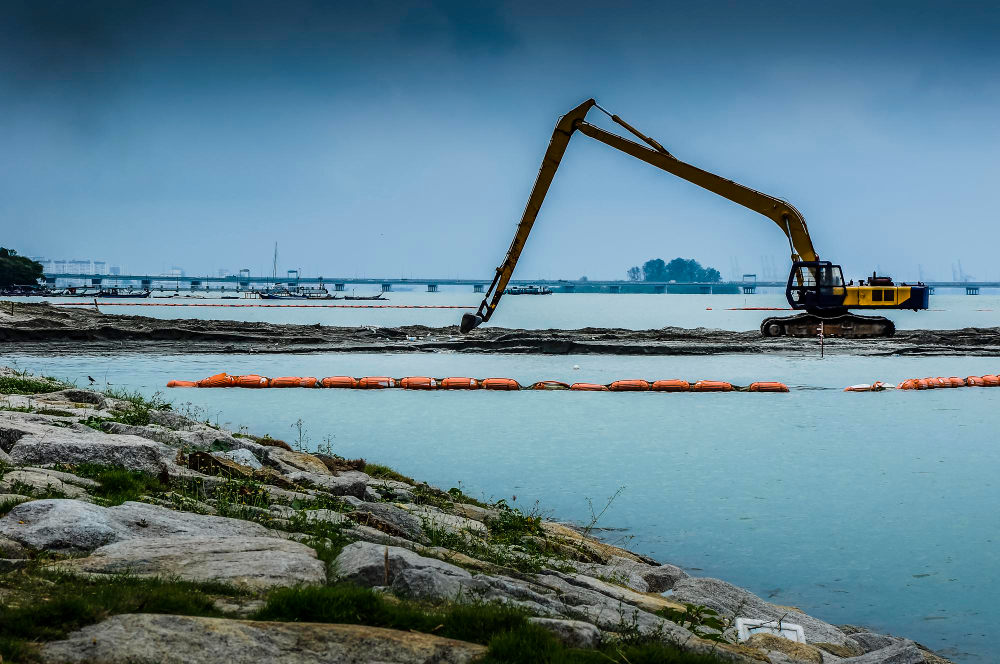
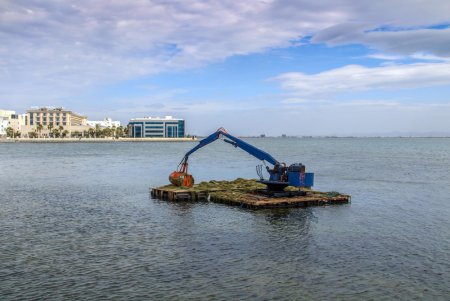
Dredging is the process of removing accumulated sediment, silt, and debris from the bottom of lakes, rivers, canals, ponds, or shorelines. Natural erosion, storm runoff, decaying vegetation, and human activity all contribute to sediment buildup over time. When left unaddressed, this buildup can lead to shallow water, poor circulation, unpleasant odors, excessive algae growth, and limited access for boats or swimming. Dredging restores depth, improves water quality, and revitalizes the overall ecosystem. Below, we look at how lake dredging improves waterfront property value.
Clearer water, defined shorelines, and healthier aquatic environments improve curb appeal. For potential buyers or renters, first impressions matter. A well-maintained waterfront indicates proper care and adds to the perceived value of the property. Murky water, exposed mudflats, or overgrown vegetation can have the opposite effect.
Dredging restores proper water depth, making waterfront areas more functional. Property owners benefit from easier access for boating, kayaking, fishing, and swimming. Docks and boat lifts operate more effectively when water levels are consistent and unobstructed. Improved usability expands recreational possibilities, which is a major selling point for waterfront homes and can increase resale value.
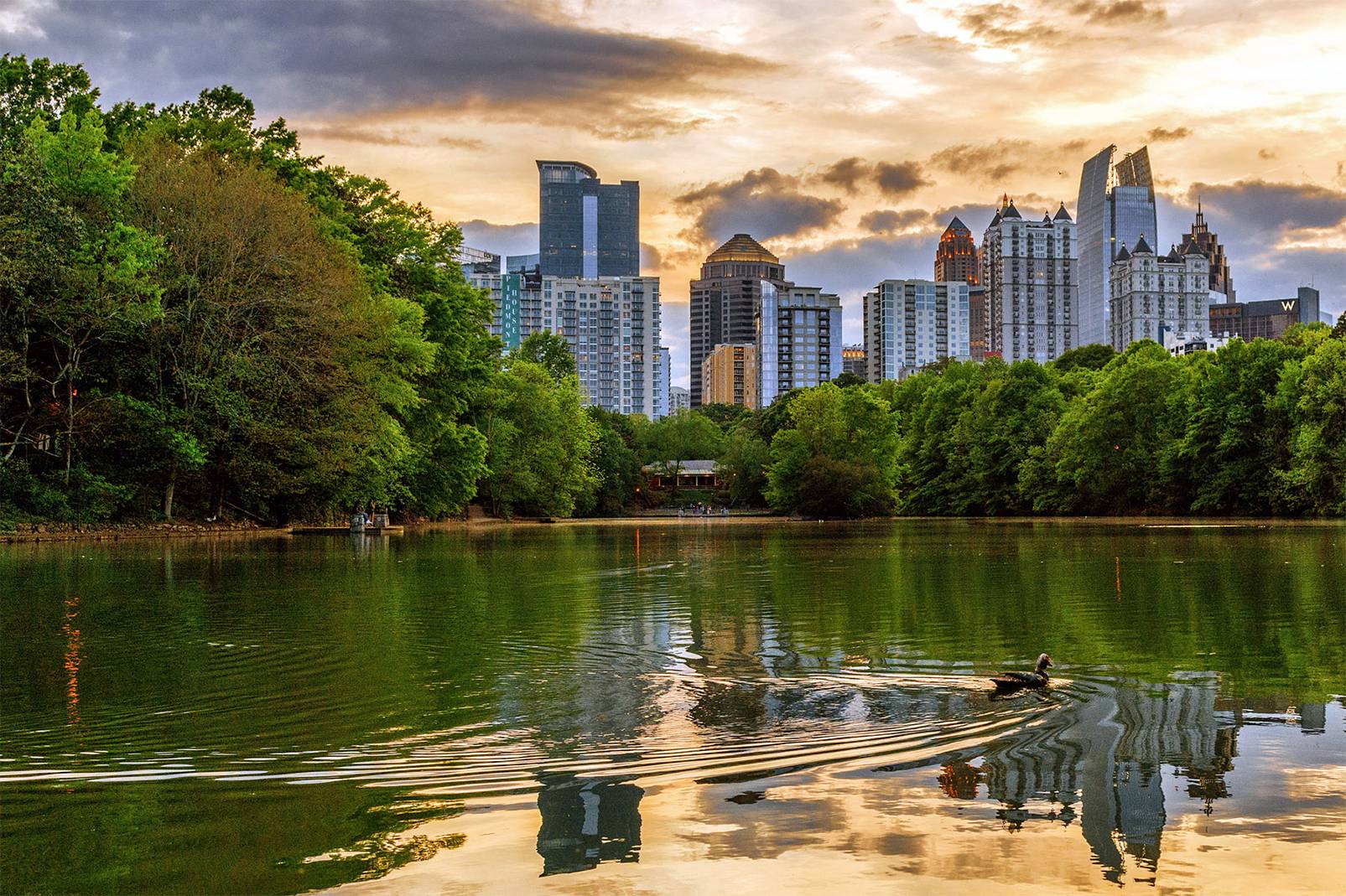
Sediment buildup traps nutrients that fuel algae blooms and excessive weed growth. These conditions reduce oxygen levels, harm fish populations, and create foul odors. Dredging removes nutrient-rich sediments and improves water circulation and overall quality. Healthier water supports aquatic life, reduces maintenance issues, and creates a more pleasant environment for residents and guests. A thriving ecosystem adds both ecological and economic value to waterfront properties.
Unchecked sedimentation can lead to shoreline erosion, flooding risks, and damage to docks or seawalls. Dredging and detention pond maintenance help stabilize shorelines and maintain proper drainage. By addressing these issues proactively, property owners protect their investment and avoid long-term depreciation caused by environmental neglect.
From a real estate perspective, detention pond maintenance and dredging are investments that pay off. Properties with clean, navigable, and visually appealing waterfronts command higher prices and sell faster than those with neglected shorelines. Buyers are often willing to pay a premium for properties that offer immediate enjoyment without the need for extensive remediation.
The advantages of dredging go much further than improving water quality and aesthetics. A well-maintained waterfront increases the appeal and value of your property. For those looking for a dependable lake dredging company, get in touch with Aquatic Restoration. We have over 35 years of experience helping residential and commercial clients protect and preserve their water bodies. From retention pond maintenance and shoreline stabilization to siphon installation and spillway renovation, we’ve got you covered. Our knowledgeable and experienced technicians utilize eco-friendly equipment and solutions and go the extra mile to deliver 5-star services. Call us to learn more about our services, and let us help you keep your water body in pristine condition.
Lakes and ponds accumulate sediment, sludge, and accumulated organic debris at the bottom, leading to deteriorating water quality, oxygen depletion,…

Have you ever wondered why algae blooms often get worse during summer months? Warm temperatures, extra sunlight, and nutrient availability…

Did you know that municipalities are responsible for publicly owned ponds? These ponds come in handy for flood control…
Does your pond or lake look murky, discolored, or overrun by algae? Is the water noticeably shallower? These are common…
Also known as a wet pond, a retention pond helps to manage excess storm water to prevent flooding and improve…