
Does your pond or lake look murky, discolored, or overrun by algae? Is the water noticeably shallower? These are common signs that you need to schedule lake dredging service to restore your water body to its top shape.
Lake dredging restores depth, improves water quality, and enhances ecological habitat. There are two main types of lake dredging: mechanical and hydraulic dredging. So, what’s the difference between the two?
In this post, Aquatic Restoration looks into the difference between mechanical and hydraulic dredging. Our experts specialize in restoring ponds, lakes, harbors, and other water bodies. You can rely on us for services such as retention pond management, siphon installation, shoreline stabilization, and more.
As the name implies, hydraulic dredging uses suction to remove sediment in large, high-volume ponds and lakes. On the other hand, mechanical dredging uses buckets/scoops to remove harder, compacted, or debris-laden material. Hydraulic lake dredging is usually faster and cheaper per yard, while mechanical dredging is better for precise digging.
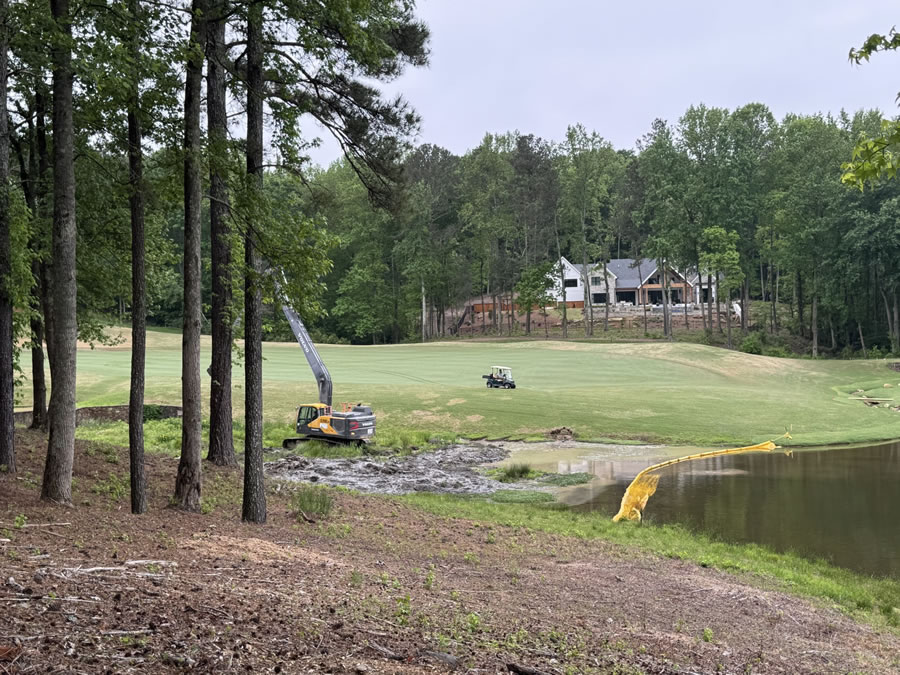
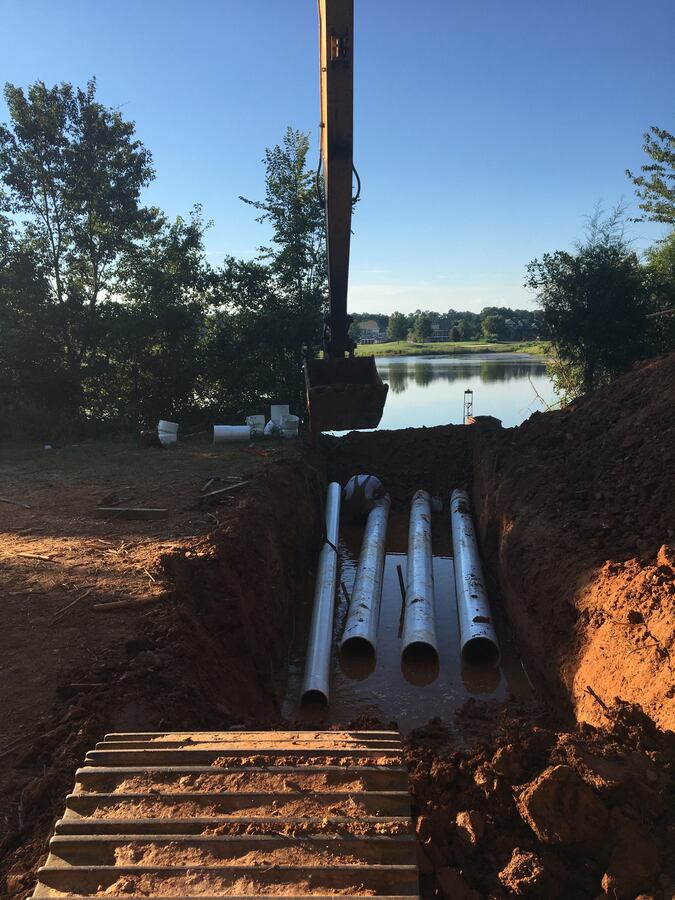
As we’ve already mentioned, hydraulic dredging uses centrifugal pumps to remove underwater sediment. The suction draws in a mixture of water and material for transport through pipelines. The experts start with loosening the material, followed by using powerful pumps to pull the slurry. The slurry is pumped into large geotextile filter bags where the water drains away, leaving only dried sediment for removal. This process is best handled by a trusted lake management company in Georgia.

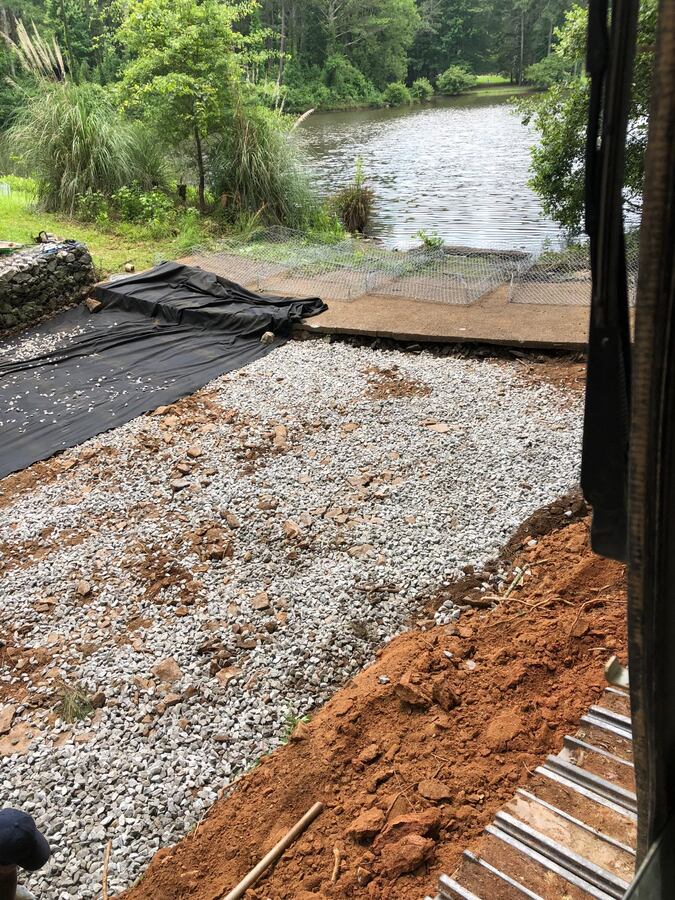
There are several advantages associated with hydraulic lake dredging. Not only does it allow for continuous operation, but it’s also known for minimal disturbance. Since it operates underwater, this process creates less noise, turbidity, and disturbance to the surrounding environment. However, it’s important that you look for a trusted lake management company to tackle the job.
In addition, the pond or lake doesn’t need to be emptied, making it ideal for residential, commercial, and sensitive environmental areas. Dredging is a key part of retention pond maintenance, as it enhances the aquatic ecosystem. However, it is best suited for soft, fine-grained materials (silt, sand, mud) and is ineffective for large rocks, boulders, or debris. As long as you work with a top-rated lake management company, you can rest assured that your pond is in peak condition.
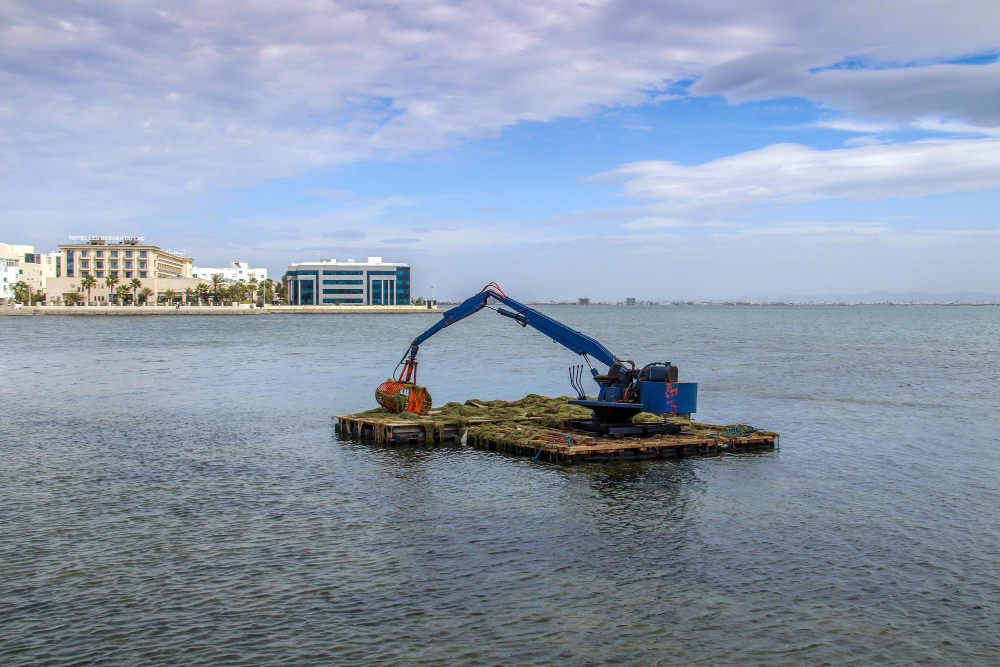
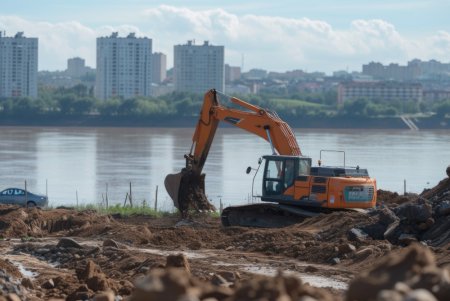
Mechanical dredging uses heavy machinery to physically dig and remove sediment from the bottom of a water body. Equipment commonly used includes excavators, cranes, clamshell buckets, and backhoes mounted on barges or platforms. The removed material is then loaded onto trucks, barges, or nearby disposal sites.
This method is often used when dealing with compacted sediment, rocks, gravel, logs, or debris that cannot easily be pumped. Mechanical dredging works well for smaller projects or areas that require precise excavation. It’s an integral part of detention maintenance, helping get rid of compacted sediment that can lower water quality.
One of the biggest advantages of mechanical dredging is its ability to remove dense or heavy materials efficiently. Contractors can target specific areas with accuracy, making this method ideal for marinas, industrial sites, stormwater ponds, and construction zones.
However, mechanical dredging can create more disturbance in the water. The digging process may stir up sediment and temporarily reduce water quality. It can also be slower and more labor-intensive for large-scale projects.
Are you interested in learning more about our lake dredging services? Or are you looking for other services to keep your pond or lake in top shape? Contact us today! We are a dependable lake management company that you can rely on for all of your dredging needs. Our team is happy to help you improve the health and beauty of your lake or pond.
Spillways act as safety valves for ponds and lakes. They safely let extra water flow out when heavy rain fills…
Community lakes are often taken for granted until the water turns green, the fish die, and the shoreline starts to…
Retention ponds in HOA communities are important for flood prevention, controlling water flow, and filtering pollutants. When detention ponds…
Lakes naturally accumulate sediment over time due to stormwater runoff, shoreline erosion, and the decay of aquatic plants. Without…

Retention ponds are vital to managing stormwater and preventing flooding. Found in suburban neighborhoods, HOAs, roadsides, public parks, and commercial…