
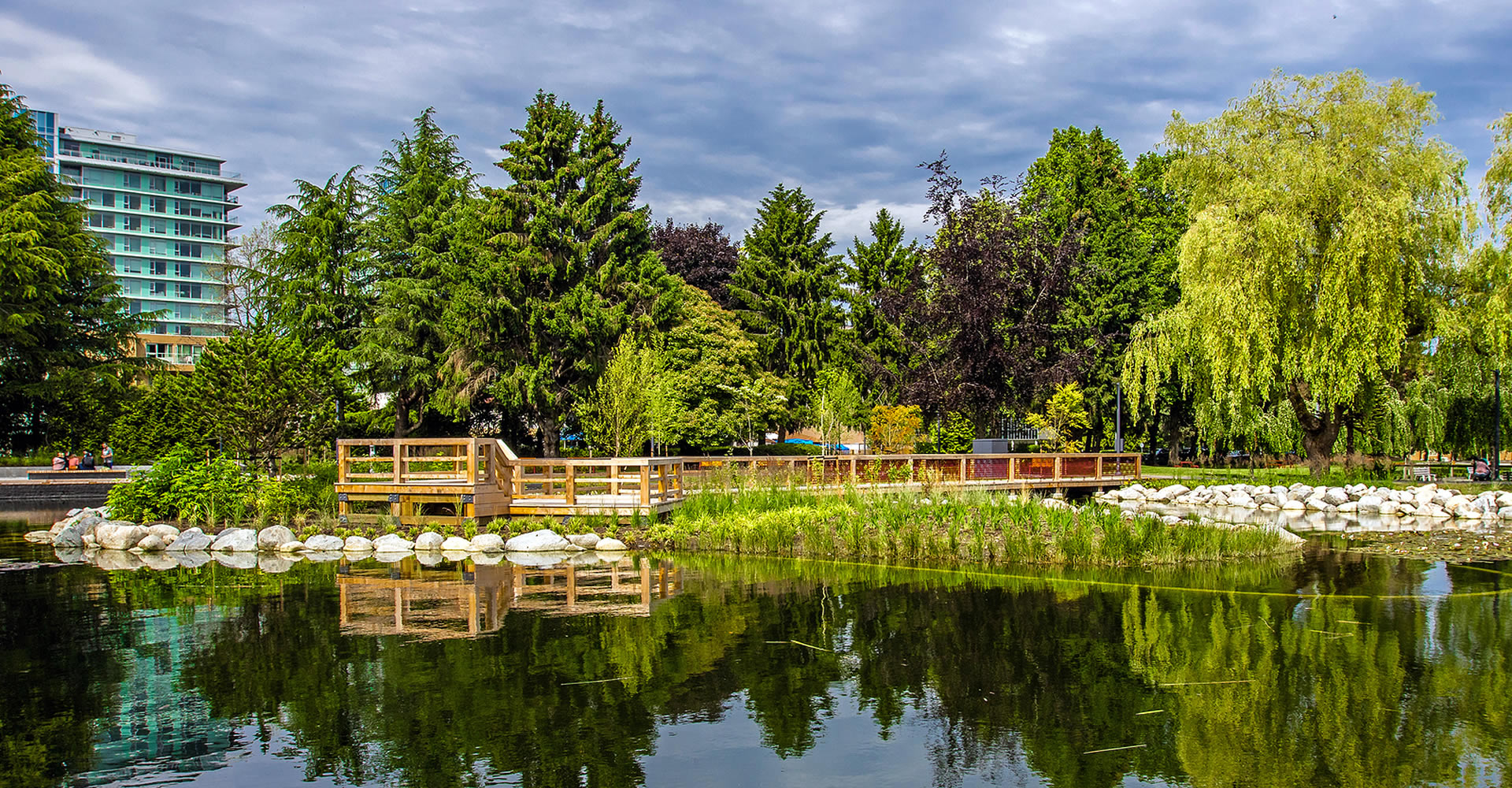

All lakes fill up with mud over time, often accelerated by erosion and runoff, organic decomposition, and human activity. Some of the signs you’ll notice when there’s sedimentation and muck buildup include persistent turbidity, declining water depth, excessive algae, and surface scum. The accumulation of mud in a lake can lead to ecosystem damage, increased flood risk, and loss of water capacity. This is why it’s a good idea to prevent or at least slow down the rate of sediment accumulation in order to extend the life of your lake.
In today’s post, we’ll explain why lakes fill up with mud over time and what you can do to minimize sediment accumulation in lakes. As trusted lake management experts in Georgia, we understand what needs to be done to prevent sedimentation in lakes.
The primary reason lakes accumulate mud is the continuous inflow of sediment from surrounding water sources. Rivers, streams, and rainwater runoff carry small particles such as soil, sand, and silt. When this moving water enters a lake, it slows down significantly. As a result, it loses the energy needed to keep these particles suspended, causing them to settle at the bottom.
Over time, these particles form layers of sediment. Each layer may be thin, but the accumulation becomes substantial over years and centuries. This gradual buildup reduces the depth of the lake and contributes to the formation of soft, muddy bottoms.
Erosion plays a major role in supplying sediment to lakes. Natural forces like rainfall and wind loosen soil from the surrounding land. This soil is then transported into the lake through runoff. The more erosion that occurs in the surrounding area, the more material ends up in the water.

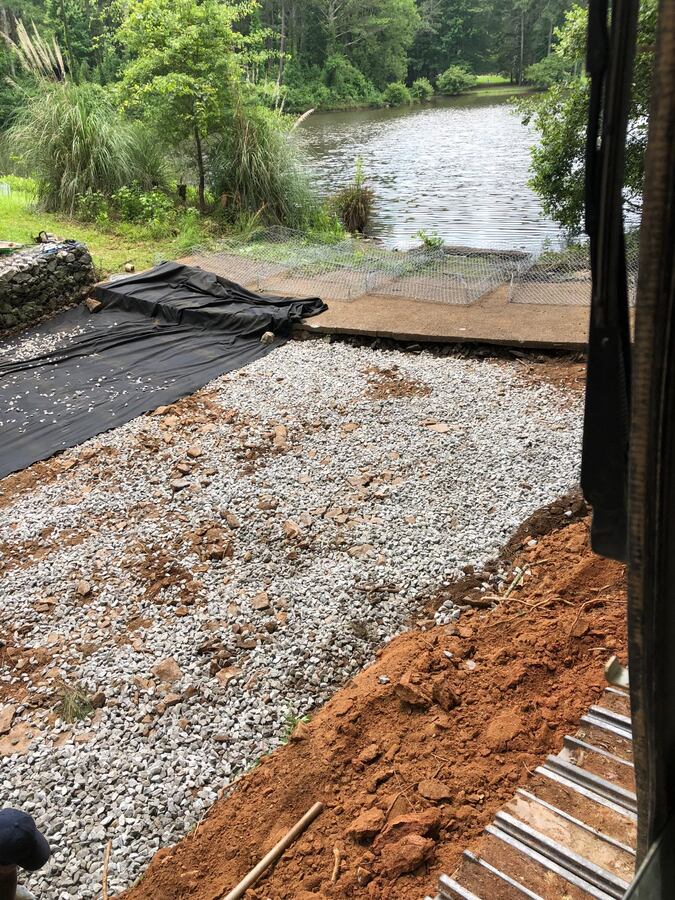
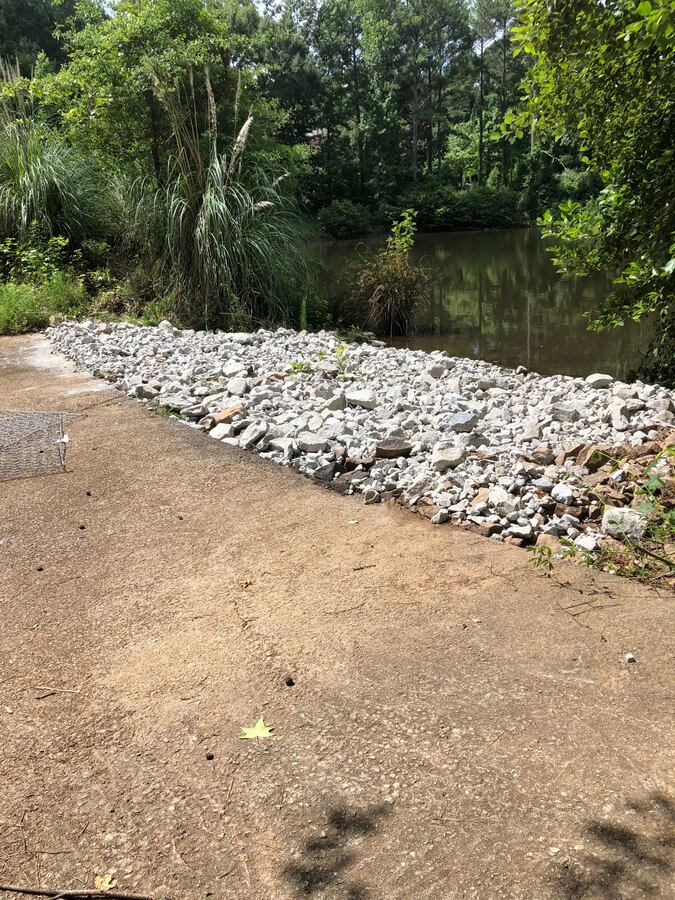
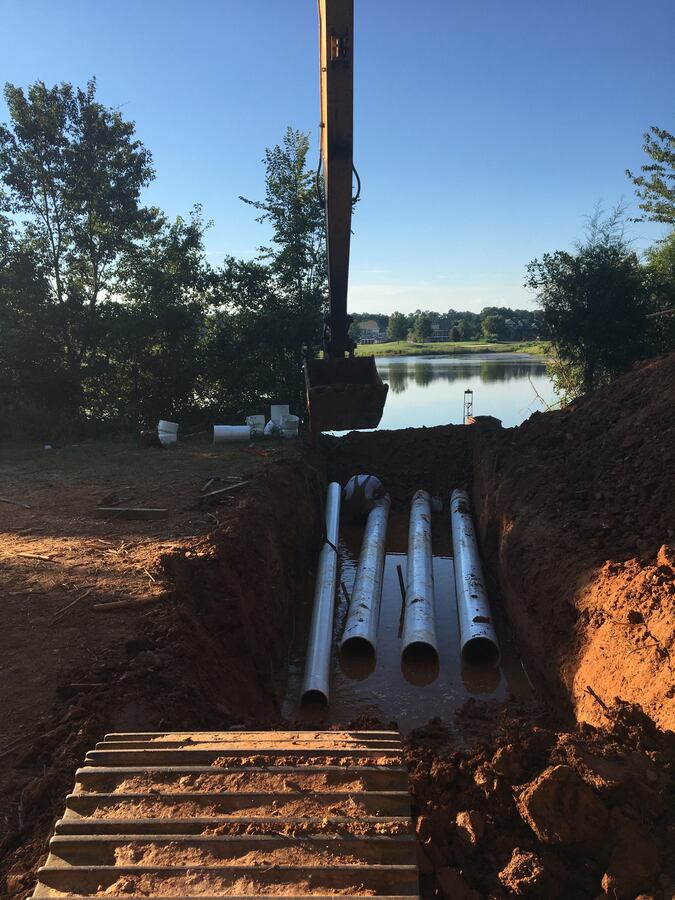
Land with little vegetation is especially vulnerable to erosion because there are no roots to hold the soil in place. As a result, lakes located near deforested or disturbed land tend to fill with mud more quickly. Even small, consistent amounts of erosion can impact a lake over time. Luckily, there are several measures lake management experts can take to prevent soil erosion around lakes.
In addition to sediment from outside sources, lakes also fill with material produced within the ecosystem. Aquatic plants, algae, and small organisms live and grow in the water. When they die, their remains sink to the bottom and begin to decompose.
This decaying organic matter mixes with existing sediment to form a thick, muddy layer. In lakes with high nutrient levels, plant and algae growth can be especially rapid, leading to more organic material settling at the bottom. This process contributes to the overall filling of the lake.
While it’s impossible to completely stop sedimentation, it can be slowed down. Planting vegetation along shorelines, detention pond management, controlling runoff, and reducing soil erosion are effective ways to limit the amount of sediment entering a lake.
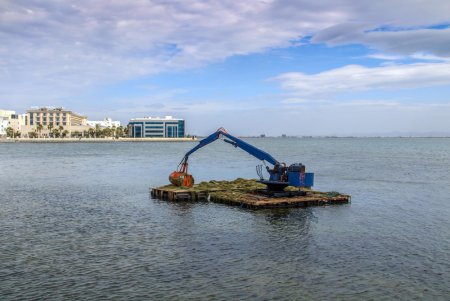
Regular lake dredging is another method used to remove accumulated mud, though it can be costly and disruptive to ecosystems. Get in touch with a lake management company that specializes in dredging for professional help.
Interested in learning more about sediment accumulation in lakes and how lake dredging can help? Or looking for other proven strategies for keeping your lake in top shape? Contact us today! Aquatic Restoration is a top-rated lake management company with over 35 years of hands-on experience. Our team specializes in lake dredging, shoreline stabilization, siphon installation, retention pond management, and other services. We take pride in our ability to restore lakes and ponds to their pristine condition. Contact us now for top-quality lake management services.
Have you ever wondered why algae blooms often get worse during summer months? Warm temperatures, extra sunlight, and nutrient availability…

Did you know that municipalities are responsible for publicly owned ponds? These ponds come in handy for flood control…
Does your pond or lake look murky, discolored, or overrun by algae? Is the water noticeably shallower? These are common…
Also known as a wet pond, a retention pond helps to manage excess storm water to prevent flooding and improve…
Foul odors from ponds aren’t just unpleasant. They are a warning sign of a problem that needs to be…