
Lake dredging is an integral part of maintaining the health and functionality of waterbodies. It involves removing sediment, debris, organic material, solid waste, silt, and other contaminants to improve water quality, restore depth, and promote a thriving aquatic environment.
Some of the common lake dredging methods professionals use include hydraulic dredging, mechanical dredging, dewatering, and biological dredging. Lake management companies in Georgia specializing in dredging choose the best method based on sediment type, environmental sensitivity, water depth, disposal, and other factors.
In this post, the specialists at Aquatic Restoration look into how soil and sediment types affect dredging methods. Our team has been in the lake management industry for over 35 years, and we’ve received countless 5-star ratings for always getting the job done right. We are renowned for offering a wide range of services, including retention pond maintenance and spillway renovation.
Sand and silt are among the most common materials encountered in lake dredging projects. These sediments are non-cohesive, meaning they don’t stick together and are relatively easy to move.
For these materials, hydraulic dredging is often the preferred method. Equipment like cutter suction dredgers or plain suction dredgers can effectively loosen and transport the material through pipelines using water.

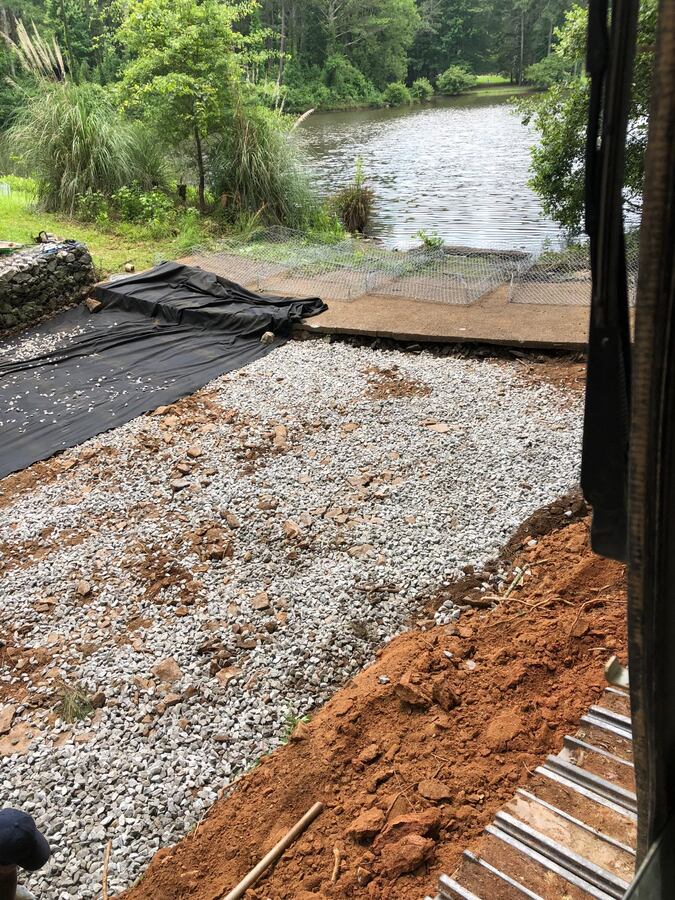
Because sand and silt flow easily, they can be pumped over long distances, making hydraulic dredging both efficient and cost-effective in these conditions. However, it’s important that you hire a trusted lake management company that has vast experience dredging.
Clay and mud behave very differently from sand. These materials are cohesive, meaning they stick together and resist movement.
To handle cohesive soils, dredging often requires more powerful equipment. Cutter suction dredgers are commonly used because they can break up compact material before suctioning it away.
These methods are slower and more labor-intensive than hydraulic dredging but are necessary for tougher sediments.
When dredging areas with gravel, cobbles, or rock, the challenge increases. These materials are heavy, abrasive, and difficult to transport through pipelines.
Mechanical dredging is usually the best option in gravel and rocky materials. Excavators, bucket dredgers, or even specialized rock-cutting equipment may be required. For extremely hard materials, blasting or pre-treatment may be necessary before dredging can begin.
Because of the complexity, dredging rocky environments tends to be more expensive and time-consuming. A dependable lake management company like Aquatic Restoration has the tools and expertise to handle any dredging project, regardless of the complexity.
Some water bodies contain a high concentration of organic material, such as decaying vegetation, sludge, or contaminated sediments. These materials can be soft but may require professional handling due to environmental concerns.
Hydraulic dredging is often used in these situations, but additional steps such as containment, dewatering, and proper disposal are recommended to prevent pollution. Lake management pros know how to handle the situation when dealing with decaying vegetation and contaminated sediments.
Environmental regulations play a major role when dealing with organic or contaminated sediments, influencing both the method and the equipment used. Get in touch with a local service provider specializing in retention pond maintenance when you need an expert to deal with organic sediments and debris in your waterbody.
Do you need professional lake dredging service? Contact the experts at Aquatic Restoration. Our experienced technicians have successfully completed numerous projects in both private and communal lakes. Some of the services we offer include detention pond maintenance, spillway renovation, siphon installation, shoreline stabilization, and more. Our positive reputation in the industry puts us ahead of the competition and makes us the go-to company for lake management services. Call us now to learn more about the services we offer.
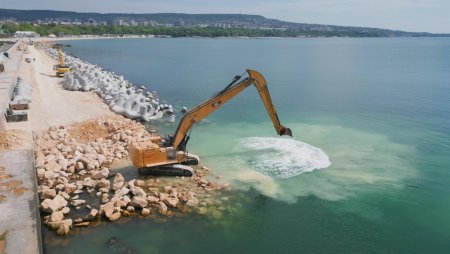
Lakes and ponds accumulate sediment, sludge, and accumulated organic debris at the bottom, leading to deteriorating water quality, oxygen depletion,…
Have you ever wondered why algae blooms often get worse during summer months? Warm temperatures, extra sunlight, and nutrient availability…

Did you know that municipalities are responsible for publicly owned ponds? These ponds come in handy for flood control…
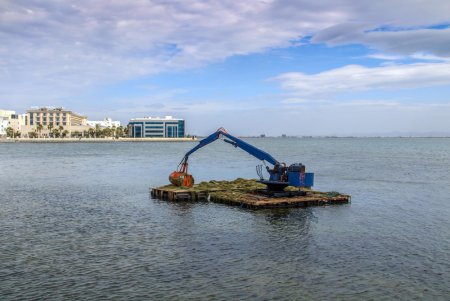
Does your pond or lake look murky, discolored, or overrun by algae? Is the water noticeably shallower? These are common…
Also known as a wet pond, a retention pond helps to manage excess storm water to prevent flooding and improve…