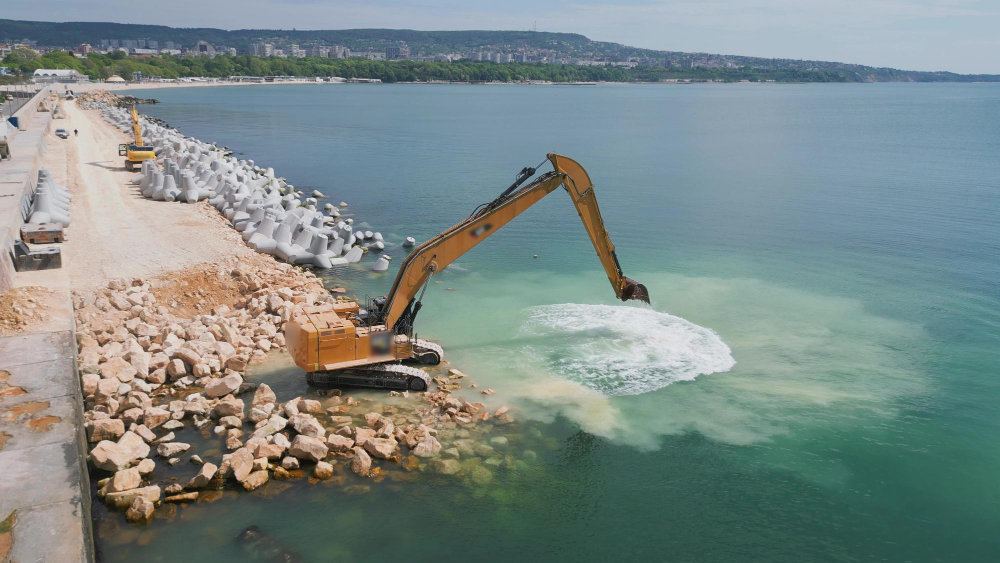
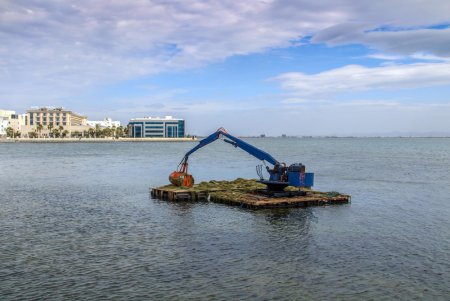
Lakes and ponds accumulate sediment, sludge, and accumulated organic debris at the bottom, leading to deteriorating water quality, oxygen depletion, extreme shallowing, and many other issues. This is where lake dredging comes in. Delaying this maintenance task can lead to reduced depth, algae growth, fish kills, and more.
Aquatic Restoration is a top-rated lake management service provider in Georgia dedicated to maintaining healthy and thriving water ecosystems. Some of the services we offer include lake dredging, shoreline stabilization, siphon installation, detention pond maintenance, and more. Our technicians have the expertise and tools to restore water depth, improve water quality, and reset a pond/lake’s ecological lifespan. Today, we’ll look into some of the ways lake dredging helps improve water quality.
Over time, lakes naturally collect layers of sediment made up of decayed organic matter, soil runoff, algae remnants, and pollutants carried in by stormwater. This buildup settles at the bottom and gradually reduces water quality by releasing trapped nutrients and contaminants back into the water column. Lake dredging directly improves water quality by physically removing these accumulated sediments from the lakebed.
While aquatic ecosystems require nutrients such as nitrogen and phosphorus to sustain life, too much of them can be harmful to your pond or lake. Over time, decaying organic matter settles on the lake floor and releases nutrients like phosphorus and nitrogen back into the water. Dredging and regular retention pond maintenance physically eliminates these nutrient sinks, starving harmful algae and aquatic weed overgrowth.
Most pond/lake owners may not know this, but oxygen is vital for a water body’s survival. It supports aquatic life, breaks down muck, and controls algae growth. For these reasons, you don’t want sediment and decaying plant matter taking over your pond or lake. Thick muck and decaying sludge consume dissolved oxygen in the water. By removing this oxygen-depleting sediment, the entire water column becomes better oxygenated, which is vital for fish and healthy bacterial communities.
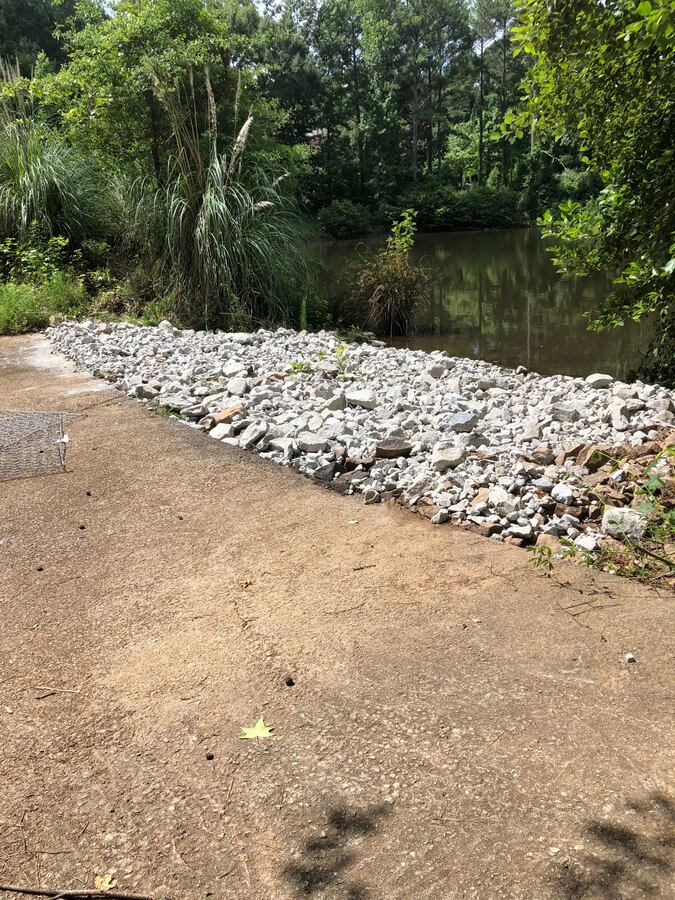
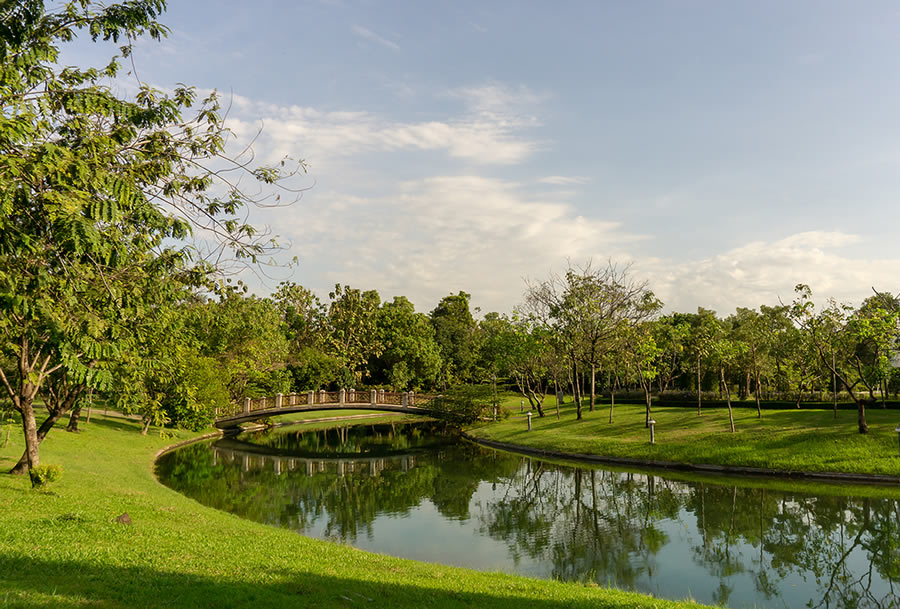
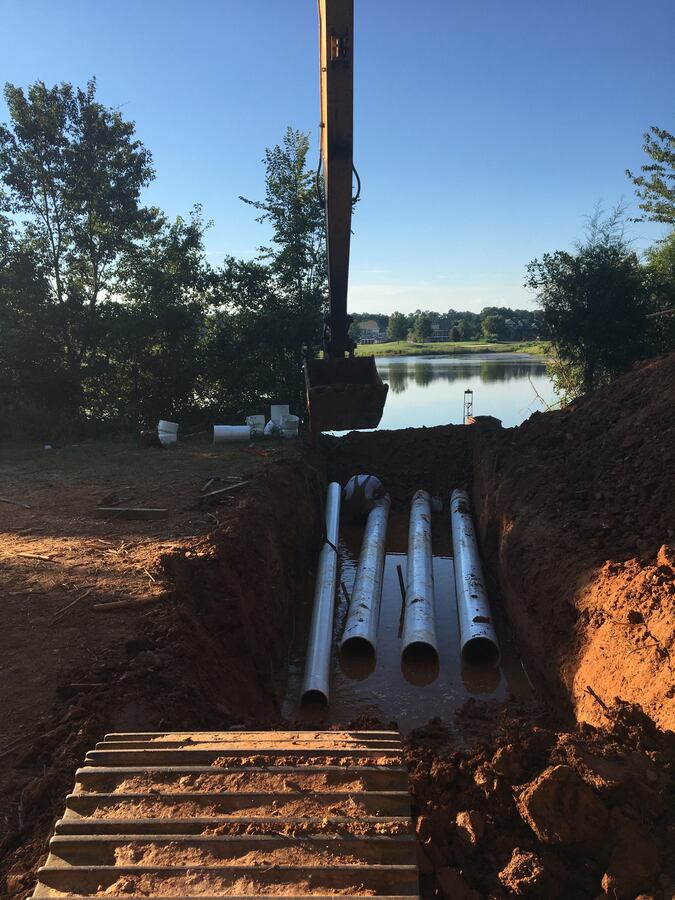
In addition to natural sediments, lakebeds trap harmful substances such as heavy metals, hydrocarbons, pesticides, and other pollutants from surrounding land use. These contaminants can slowly leach back into the water over time, especially when disturbed. Lake dredging physically extracts these contaminated sediments, preventing them from continuing to release toxins into the aquatic environment and improving overall water safety.
Heavy sediment buildup can alter the natural depth and flow patterns of a lake. This can reduce circulation and create conditions where pollutants concentrate. Dredging and routine detention pond maintenance restore original depth and improve water movement, which helps distribute oxygen more evenly and prevents stagnation zones where contamination tends to build up.
Harmful algal blooms are often triggered by high nutrient levels combined with warm, stagnant water conditions. By removing nutrient-rich sediments and improving circulation, dredging reduces the conditions that allow these blooms to form. This leads to more stable water quality and fewer toxic algae outbreaks that can harm wildlife and restrict recreational use. Combined with retention pond maintenance, you can achieve a thriving ecosystem.
Aquatic Restoration is a trusted lake management company that provides a wide range of services, including lake dredging. When done correctly, professional dredging can go a long way towards restoring water quality and ecosystem health. We serve a diverse range of clients, including residential and commercial lakes, private landowners, HOAs, golf courses, municipalities, and more. Our professionals employ science-driven strategies and prioritize environmental sustainability in everything we do. Call us now to request lake management services.
Have you ever wondered why algae blooms often get worse during summer months? Warm temperatures, extra sunlight, and nutrient availability…

Did you know that municipalities are responsible for publicly owned ponds? These ponds come in handy for flood control…
Does your pond or lake look murky, discolored, or overrun by algae? Is the water noticeably shallower? These are common…
Also known as a wet pond, a retention pond helps to manage excess storm water to prevent flooding and improve…