
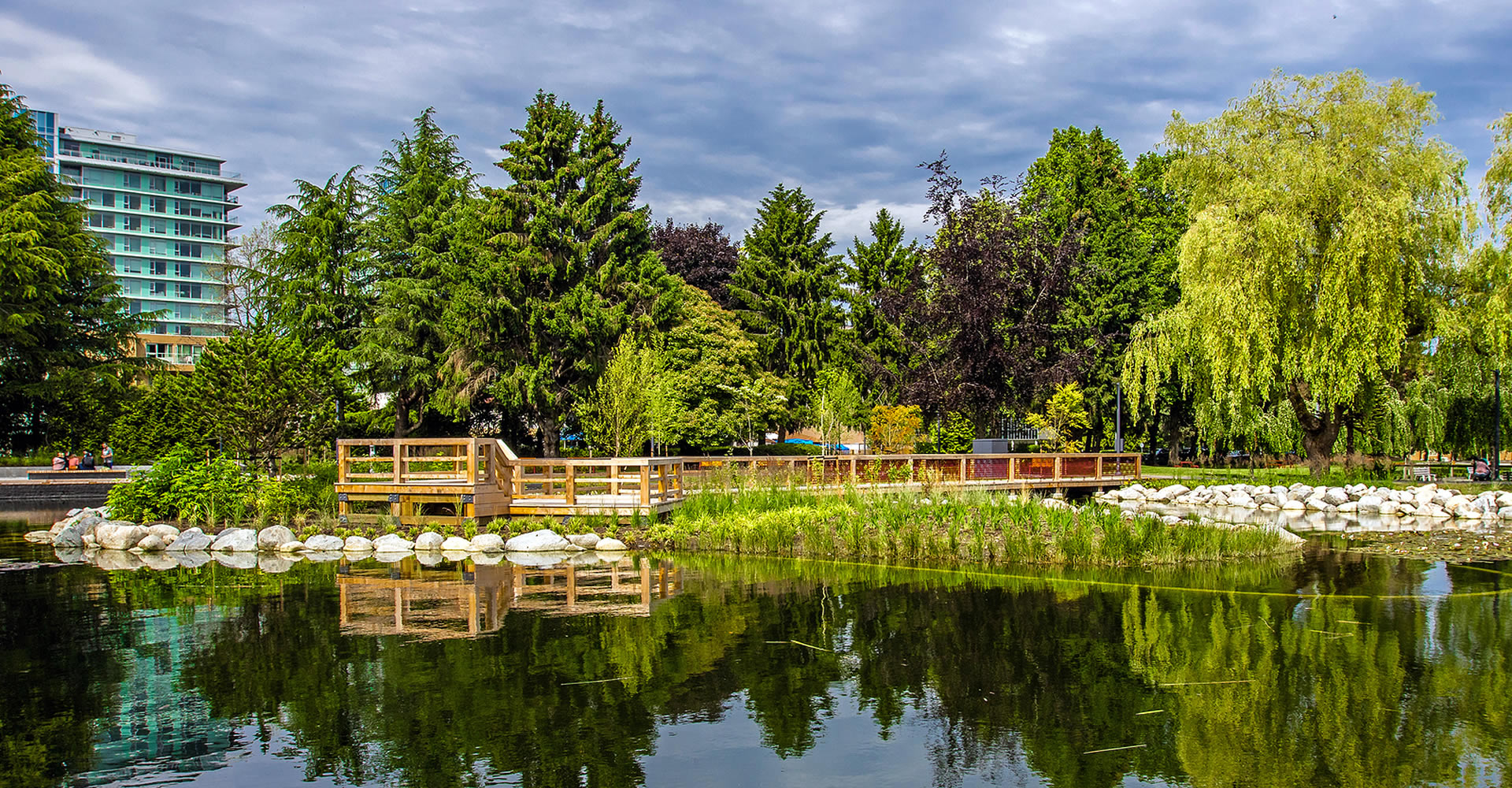

Sediment buildup is one of the biggest threats to lakes and ponds. It not only impacts water quality but also harms aquatic life. If your water looks cloudy/murky, you’ve noticed excessive algae or dead fish, there’s a good chance you’re dealing with sediment buildup. Thankfully, there are several measures you can take to prevent sediment buildup in lakes and keep your water body in great condition. Strategies such as regular lake dredging and shoreline stabilization can help minimize sediment accumulation in lakes.
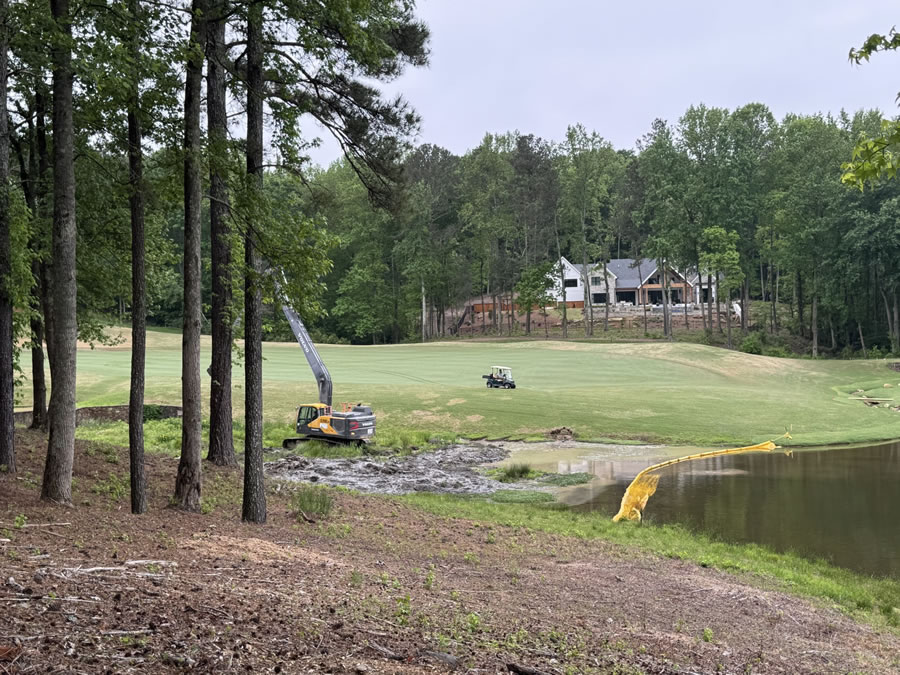
Here at Aquatic Restoration, we pride ourselves on providing a wide range of lake management solutions in Georgia, including retention pond maintenance, siphon installation, dredging, and more. Our goal is to help our clients maintain top-notch aquatic health. Today, we’ll talk about how sediment buildup impacts water quality and fish habitat.
Sediment buildup is a natural process in rivers, lakes, streams, and coastal waters, but when it occurs at excessive levels, it can cause serious environmental problems. Sediment consists of small particles of soil, sand, clay, and organic matter that are carried by water. While some sediment is essential for maintaining healthy ecosystems, too much can affect water quality and disrupt fish habitats.
One of the most immediate impacts of sediment buildup is reduced water clarity. As sediment particles remain suspended in the water, they make it cloudy or murky. This limits the amount of sunlight that can penetrate the water’s surface. Aquatic plants rely on sunlight for photosynthesis, and reduced light levels can slow plant growth and decrease oxygen production.
Sediment buildup also affects water temperature. Murky water absorbs and retains more heat than clear water, which can raise temperatures beyond what many fish species can tolerate. Warmer water holds less dissolved oxygen; hence, it places additional stress on fish, especially cold-water species like trout and salmon.

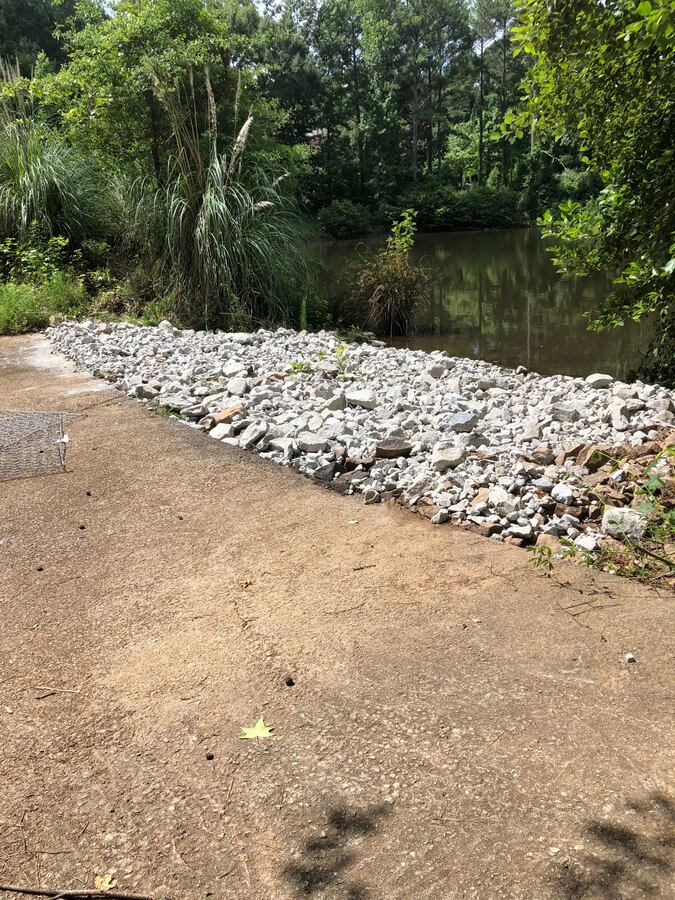
Fish habitat is directly impacted by sediment accumulation on streambeds and lake bottoms. Many fish species rely on clean gravel or rocky areas to lay their eggs. When sediment settles, it can smother spawning grounds, block oxygen flow to eggs, and reduce hatching success.
Excess sediment can clog fish gills and make it difficult for them to breathe and increase susceptibility to disease. It can also cover aquatic insects and other organisms fish depend on for food. This scenario disrupts the aquatic food chain and leads to weaker fish populations.
Human activities such as construction, deforestation, agriculture, mining, and poor land management increase soil erosion. Stormwater runoff from urban areas often carries sediment and pollutants into nearby waterways. It is known to compound the impact on water quality and fish habitats.
Preventing sediment buildup is essential for protecting aquatic ecosystems. Erosion control measures like shoreline vegetation, silt fences at construction sites, wetland preservation, retention pond maintenance, and sustainable farming practices can greatly reduce sediment runoff.
Do you need professional lake dredging service? Look no further than Aquatic Restoration. Regular dredging improves water quality, enhances aquatic habitats, and provides pollution remediation. Our technicians are equipped with state-of-the-art tools and equipment to get the job done right. For over 35 years, we’ve been offering reliable services aimed at restoring aquatic health. Aquatic Restoration is the company you can count on for all of your lake management needs. Call us now to schedule an appointment and learn more about the services we offer.
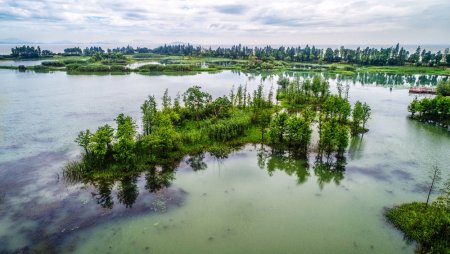
Spillways act as safety valves for ponds and lakes. They safely let extra water flow out when heavy rain fills…
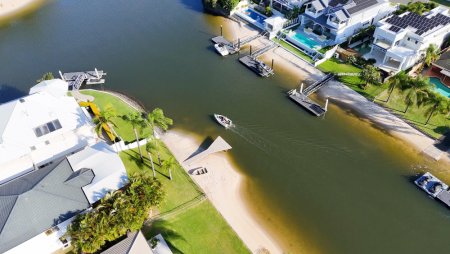
Community lakes are often taken for granted until the water turns green, the fish die, and the shoreline starts to…
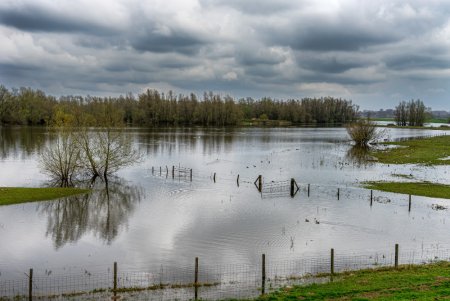
Retention ponds in HOA communities are important for flood prevention, controlling water flow, and filtering pollutants. When detention ponds…
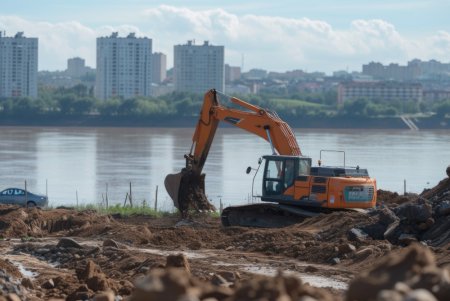
Lakes naturally accumulate sediment over time due to stormwater runoff, shoreline erosion, and the decay of aquatic plants. Without…

Retention ponds are vital to managing stormwater and preventing flooding. Found in suburban neighborhoods, HOAs, roadsides, public parks, and commercial…