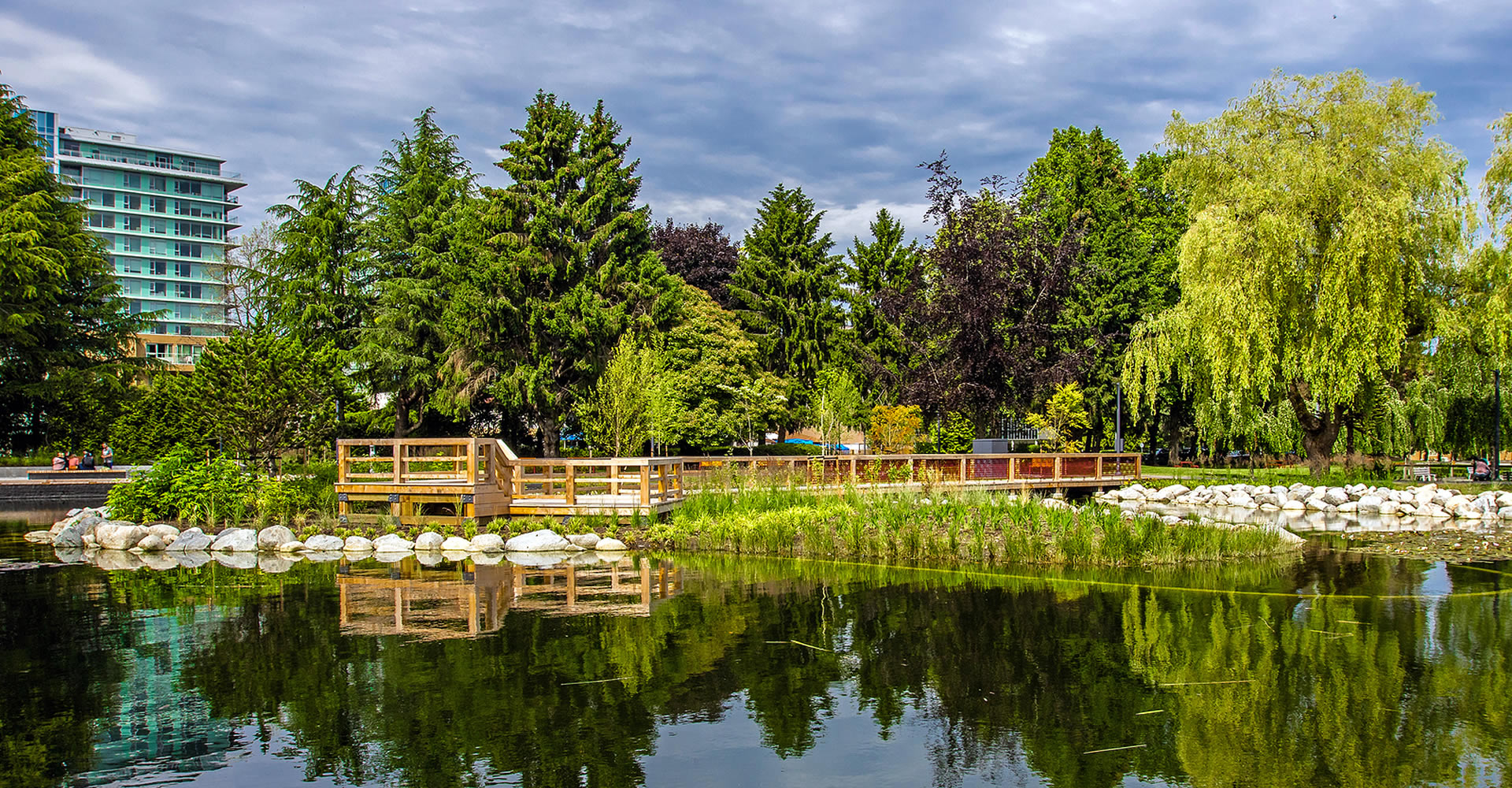
Recreational lakes are valuable community and private assets, offering opportunities for boating, fishing, swimming, and relaxation. Over time, however, lakes naturally accumulate sediment, organic matter, and debris. This buildup can reduce water depth, degrade water quality, and limit recreational use. Dredging is a practical solution that restores lake function and improves safety and enjoyment for users.
Dredging is the process of removing accumulated sediment, silt, and debris from the bottom of a lake. Sediment enters lakes through stormwater runoff, shoreline erosion, decaying plant material, and upstream sources. If left unmanaged, sedimentation can make lakes shallow, cloudy, and less suitable for recreation. Dredging restores depth and helps maintain the lake’s original design and purpose.
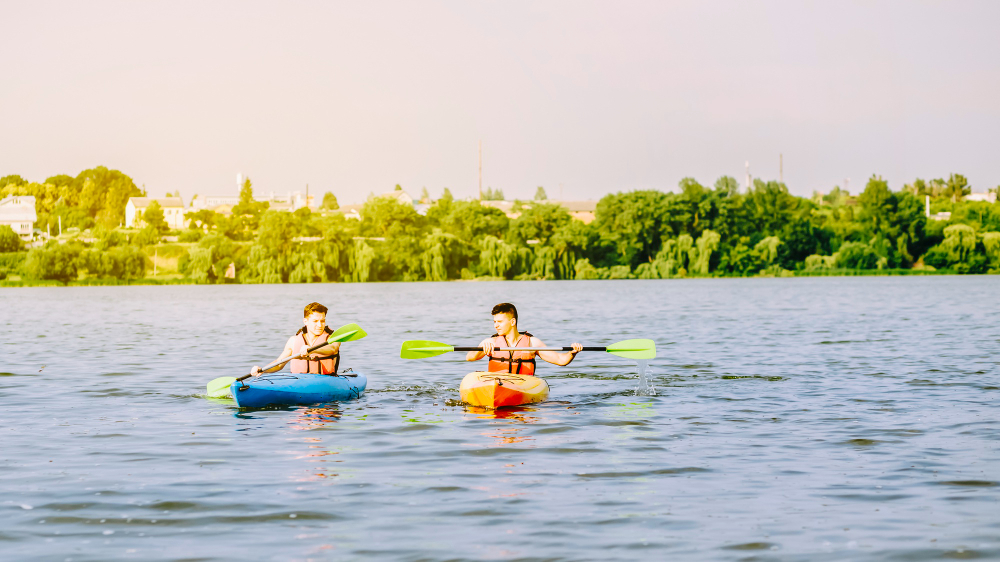
Boating requires adequate water depth and clear navigation paths. Sediment buildup can create shallow zones, submerged obstacles, and uneven lake bottoms that restrict boat movement or damage propellers and hulls.
Dredging improves boating conditions by restoring consistent depths and clearing navigation channels. This allows for safer operation of motorboats, kayaks, canoes, and paddleboards. Improved depth also makes docks and boat ramps more accessible, reducing the risk of grounding and improving overall boating safety.
Healthy fish populations depend on good water quality, proper habitat, and adequate oxygen levels. Excess sediment can smother fish spawning areas, reduce aquatic plant diversity, and increase nutrient levels that contribute to algae growth.
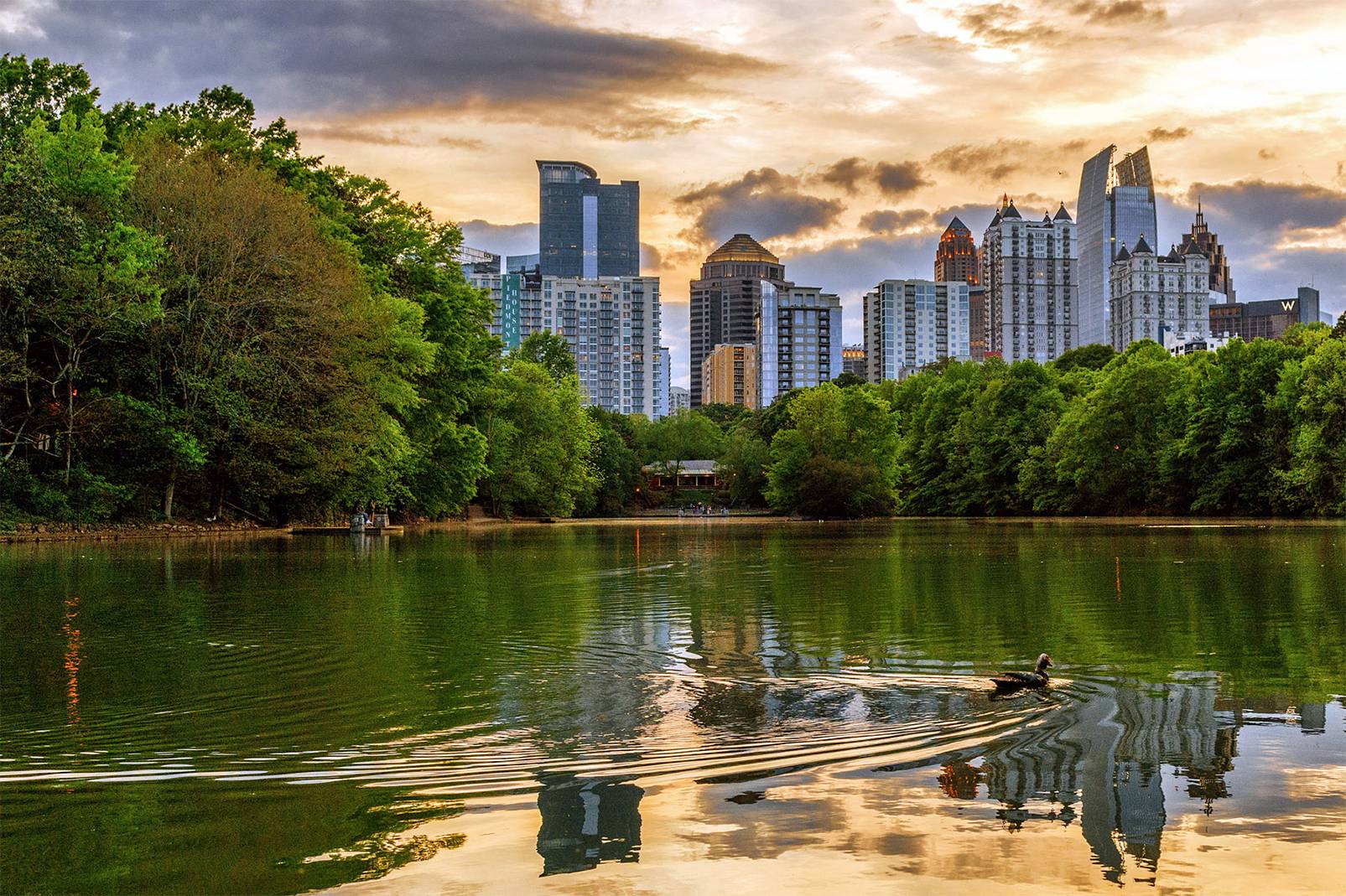
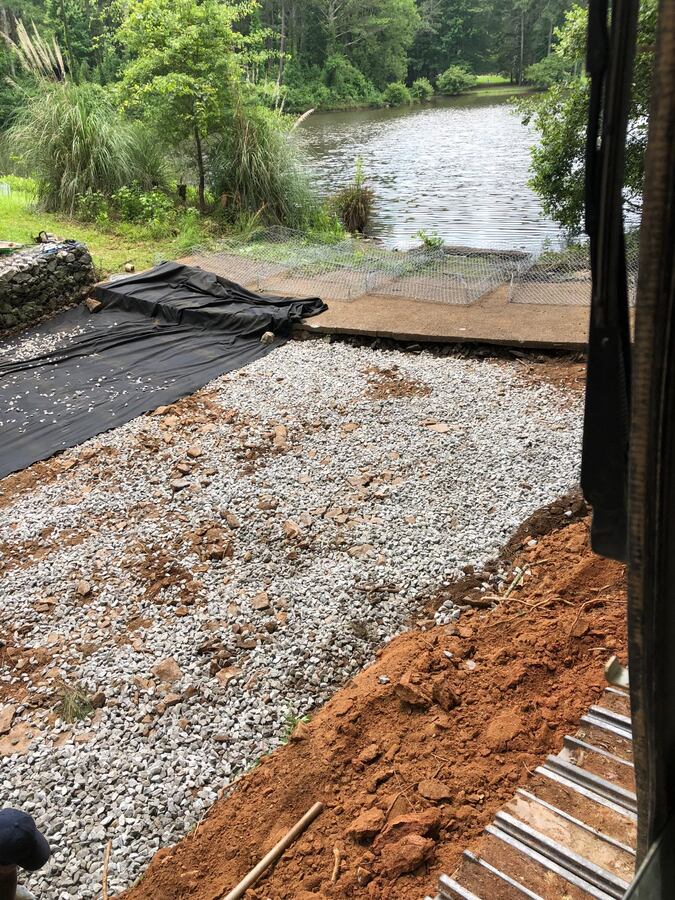
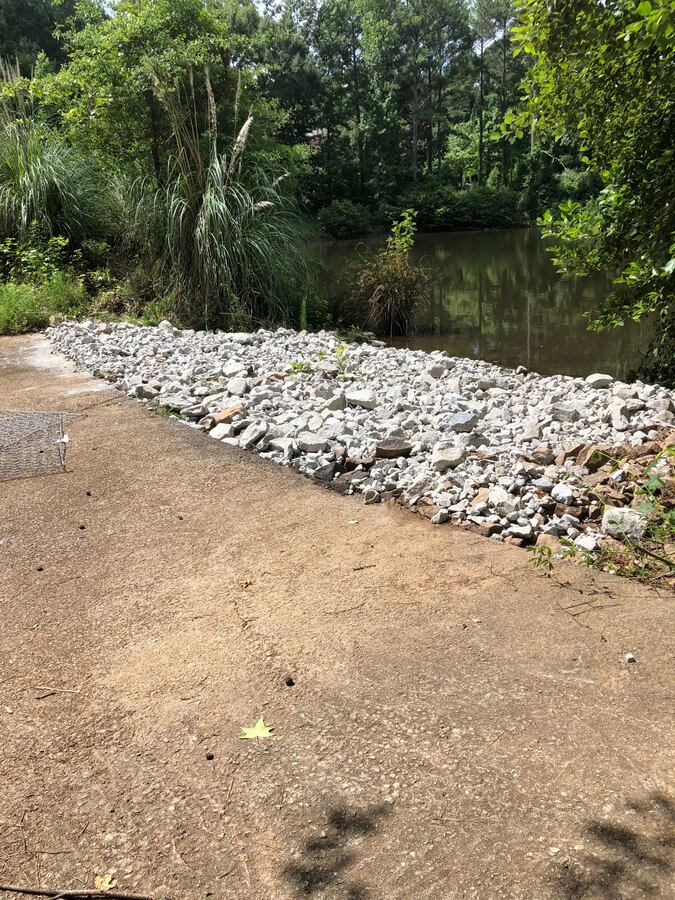
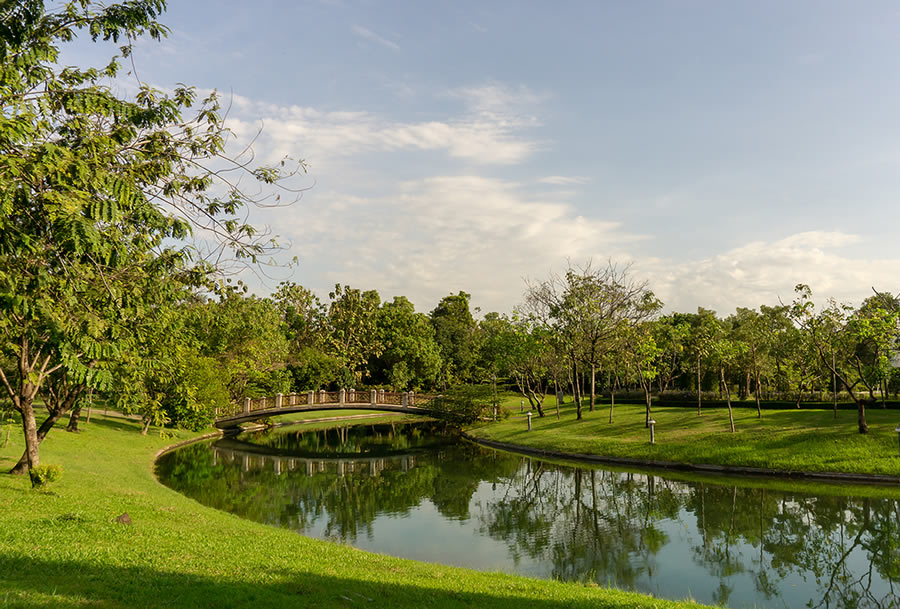
Dredging helps remove nutrient-rich sediments that fuel excessive algae and weeds. This leads to clearer water and improved oxygen circulation. In some cases, dredging can also reshape the lake bottom to create fish habitats such as deeper pools and gradual drop-offs. These improvements support healthier fish populations and enhance fishing experiences for anglers.
Swimming areas are especially affected by sediment buildup and organic debris. Shallow, muddy bottoms can feel unpleasant and increase the risk of slipping or injury. Excessive algae and plant growth can also make swimming areas unattractive and unsafe.
Dredging improves swimming conditions by creating clean, firm lake bottoms and reducing murky water. By removing decaying organic material, dredging helps limit bacteria growth and unpleasant odors. Clearer water and smoother lakebeds make designated swimming areas safer and more enjoyable for all ages.
Sediment contains high levels of nutrients like phosphorus and nitrogen, which promote weed and algae growth. Excessive vegetation can tangle boat propellers, interfere with swimming, and disrupt fish habitats.
While dredging is not a standalone solution for weed control, it reduces the nutrient source that fuels growth. When combined with proper shoreline management, retention pond maintenance, and runoff control, dredging can help maintain balanced aquatic plant levels and improve long-term lake health in Georgia.
Dredging projects must be carefully planned to minimize environmental impact. Permits are required, and environmental assessments may be necessary to protect wildlife and downstream ecosystems. Timing dredging activities outside of fish spawning seasons and using appropriate containment methods helps reduce disruption.
Working with experienced dredging and retention pond management professionals ensures compliance with regulations and environmentally responsible practices.
As we’ve already discussed, lake dredging is an integral part of keeping recreational lakes in top shape. The service provider you hire for the job can mean the difference between a job well done and a frustrating experience. At Aquatic Restoration, we pride ourselves on offering professional and budget-friendly lake dredging services. We’ve been in business for over 35 years and have served countless customers with 5-star services. Our qualified technicians are well-equipped with state-of-the-art tools to get the job done right. We also offer detention pond maintenance, spillway renovation, siphon installation, shoreline stabilization, and more. Contact us today to book an appointment with our skilled and experienced technicians.
All lakes fill up with mud over time, often accelerated by erosion and runoff, organic decomposition, and human activity. Some…
Like streams, rivers, and oceans, lakes and ponds have unique needs that must be met for them to thrive.…

Lake management offers incredible benefits, including improved water quality, ecological balance, enhanced recreation, and more. But how much can you…
Ponds and lakes go through a lot, whether it be during winter or warm weather. Over time, water bodies accumulate…
.webp)
Water quality monitoring should be an important part of