
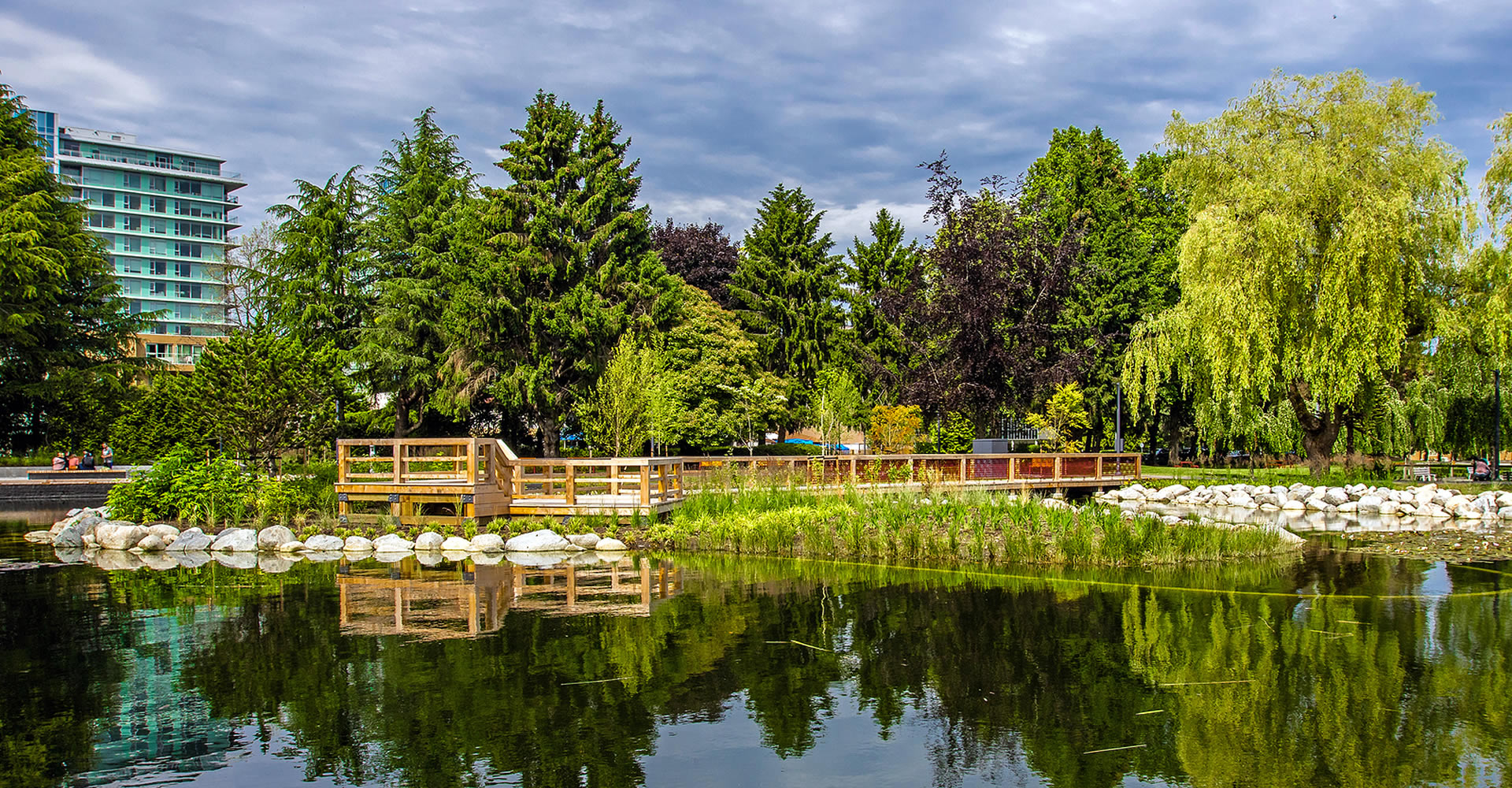
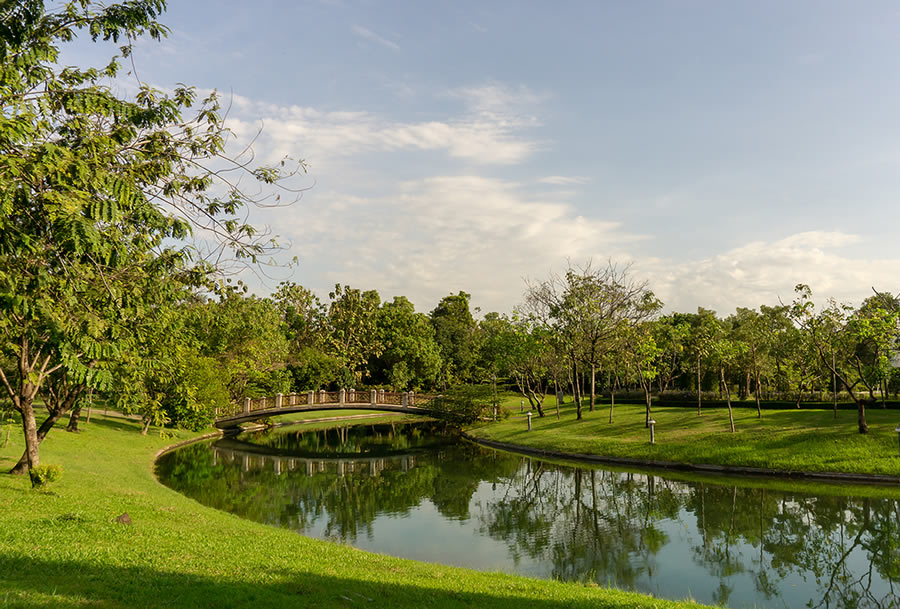
Dredging is an integral part of keeping lakes clean, healthy, and sustainable. This process improves water quality, restores lake depth, and mitigates flooding risk. Essentially, dredging involves removing accumulated sediment, muck, debris, and debris from the bottom of a lake or pond. This process is best handled by a reliable lake management company in Georgia.
At Aquatic Restoration, we pride ourselves on offering professional lake dredging services. Our team is familiar with the different types of dredging, including hydraulic, mechanical, and suction dredging. If you’re looking for a dependable lake services company to dredge your lake, we are the experts to call. In today’s post, we’ll look into these three types of dredging.
Hydraulic dredging uses water to loosen and transport sediment. This method relies on powerful pumps that create a slurry, which is then transported through pipelines to a designated disposal or containment area.
A common piece of equipment used in hydraulic dredging is the cutter suction dredger. This vessel features a rotating cutter head that breaks up compacted material before it is pumped away. Hydraulic dredging is especially effective for fine-grained sediments such as silt, sand, and mud.
Hydraulic dredging is commonly used for beach nourishment, land reclamation, and maintaining navigation channels.

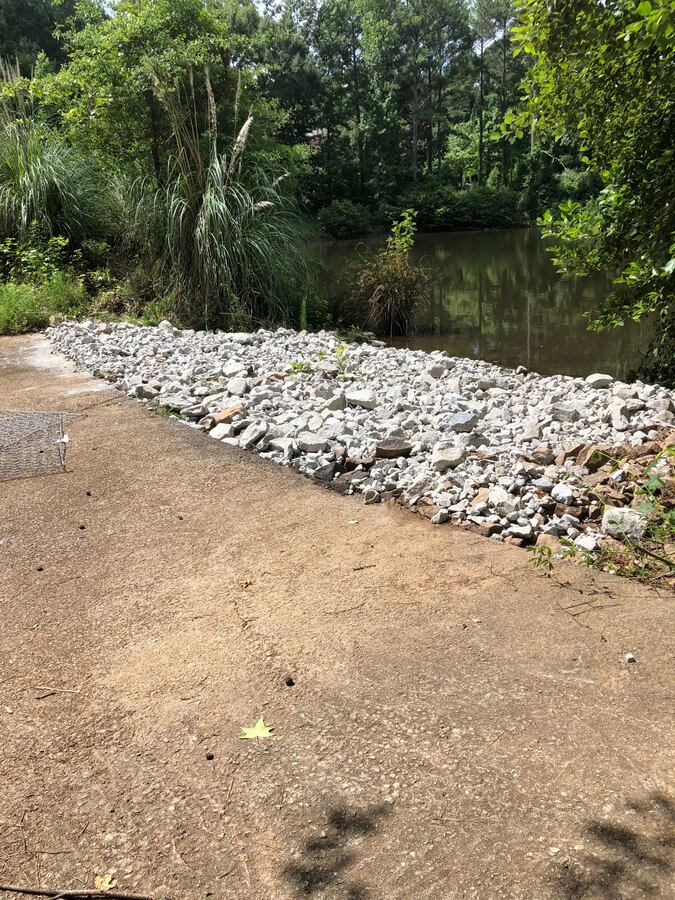
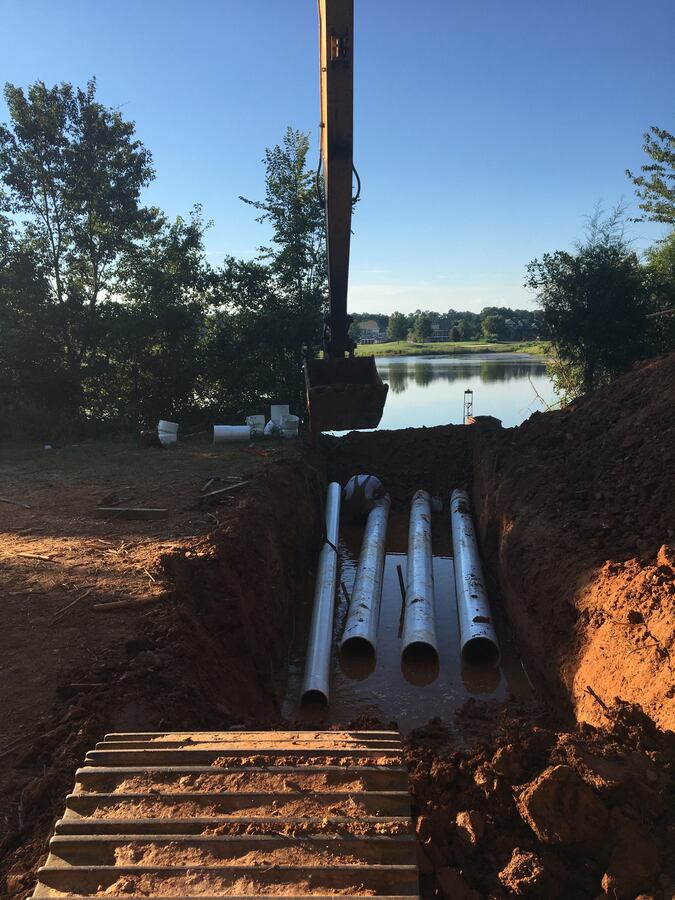
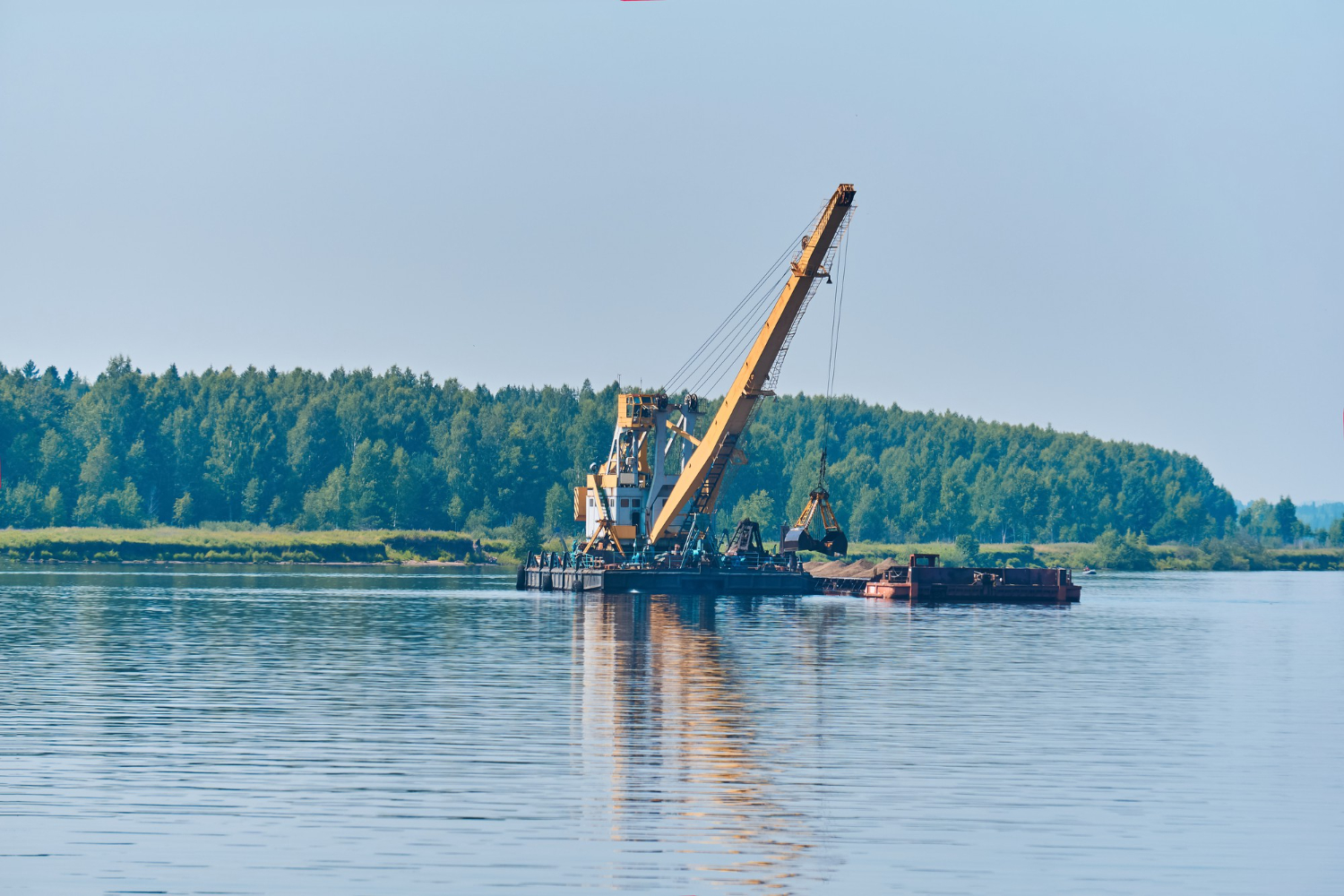
Mechanical dredging involves physically scooping or excavating sediment from the bottom using heavy equipment. This method uses excavators, clamshell buckets, or backhoes mounted on barges.
Unlike hydraulic systems, mechanical dredging removes material in solid form rather than as a slurry. The sediment is lifted and placed into barges for transport to a disposal or treatment site.
Mechanical dredging is often used in urban ports, marinas, and environmental cleanup projects where precision and containment are critical. It’s a good idea to hire a trusted company that has been in the industry for years to help you with this process. For instance, Aquatic Restoration is renowned for offering dependable mechanical dredging and detention pond maintenance services.
Suction dredging is closely related to hydraulic dredging but does not involve a cutter head. Instead, a suction pipe is used to vacuum loose sediment from the bottom surface. The material is transported as a slurry through pipelines.
This method is particularly useful for removing loose sand, gravel, or sediment deposits in smaller waterways or specialized projects. In some cases, suction dredging is also used in mining operations to extract valuable minerals from riverbeds.
Aquatic Restoration is the company to call when you need professional lake dredging services. We have been in business for over 35 years and successfully completed over 1300 projects. Our skilled and experienced technicians are equipped with state-of-the-art tools and equipment to get the job done correctly. We’ve built an outstanding reputation in the community for delivering top-tier services, including retention pond maintenance, siphon installation, shoreline stabilization, and many more. Call us today or contact us online to request service from our technicians.

Did you know that municipalities are responsible for publicly owned ponds? These ponds come in handy for flood control…
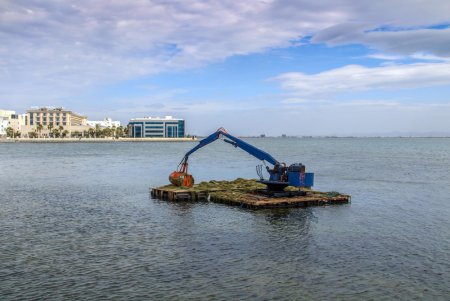
Does your pond or lake look murky, discolored, or overrun by algae? Is the water noticeably shallower? These are common…
Also known as a wet pond, a retention pond helps to manage excess storm water to prevent flooding and improve…
Foul odors from ponds aren’t just unpleasant. They are a warning sign of a problem that needs to be…
Lake dredging is an integral part of maintaining the health and functionality of waterbodies. It involves removing sediment,…