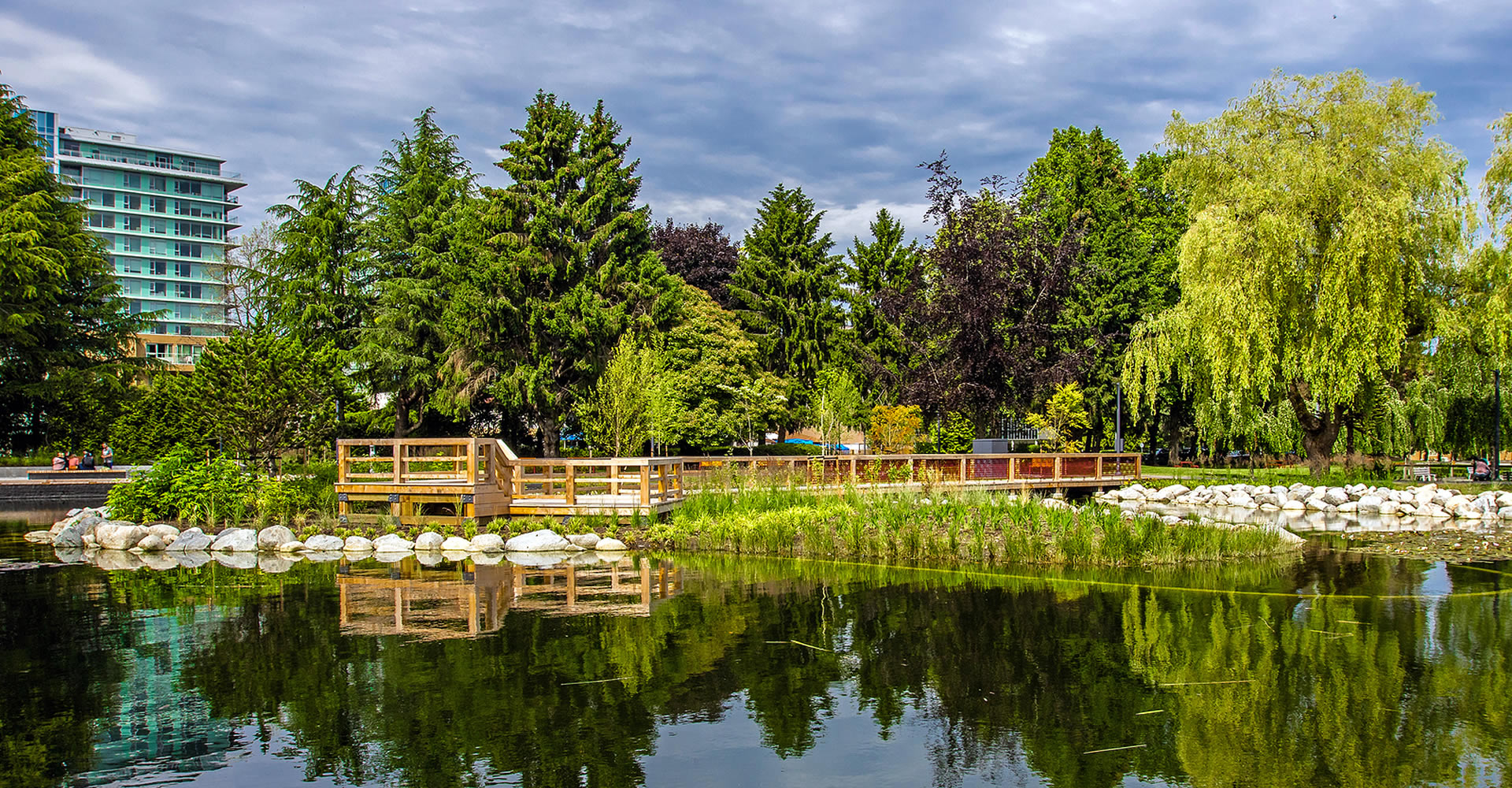
A healthy lake is the foundation of thriving ecosystems. Birds, amphibians, and other wildlife play a key role in maintaining the balance of these ecosystems. Apart from improving water quality, the greatly contribute to an ideal ecological balance.
There’s a lot that goes into preserving a lake ecosystem, including taking care of the water quality through regular lake dredging, protecting shorelines, and much more. It’s a good idea to work with a lake services company in Georgia when you need a team of experts to help you with lake care.
Over time, lakes can deteriorate due to sedimentation, human activity, invasive species, and nutrient pollution. Luckily, through proper lake management, it is possible to keep your lake in peak condition and maintain biodiversity.
In this post, Aquatic Restoration sheds light into how lake care helps to protect birds, amphibians, and other wildlife.
To a greater extent, lake care is essentially maintaining good water quality. When lakes become polluted by excess nutrients, chemicals, or waste runoff, the effects can be harmful to wildlife. Nutrient pollution from fertilizers and organic waste often leads to algae blooms that reduce oxygen levels in the water. Low oxygen levels can stress or kill fish and aquatic organisms, disrupting the food chain that birds and other wildlife depend on. Regular water monitoring and responsible land management practices help prevent these problems and ensure the lake remains a healthy habitat.
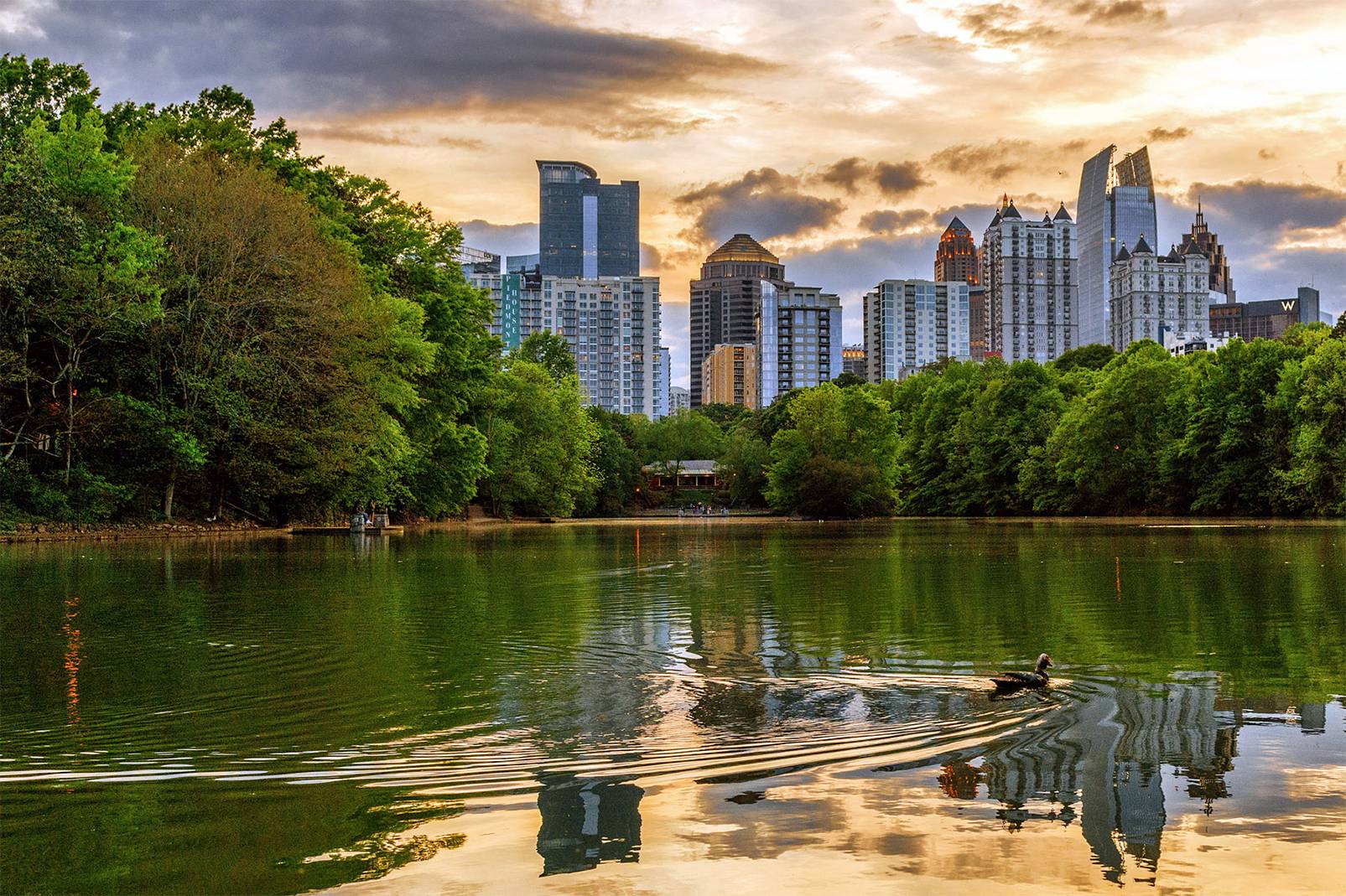
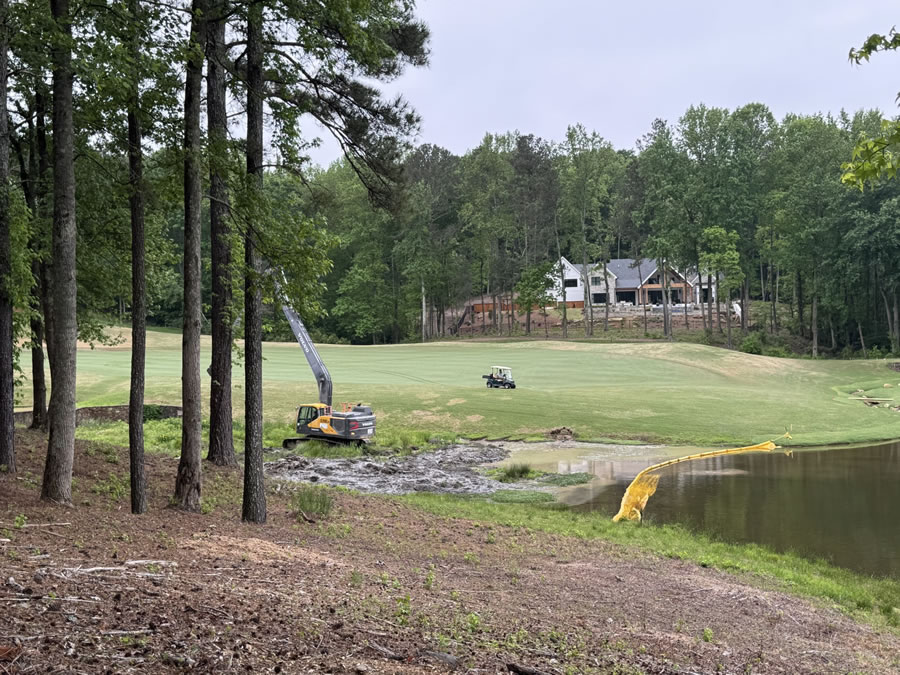
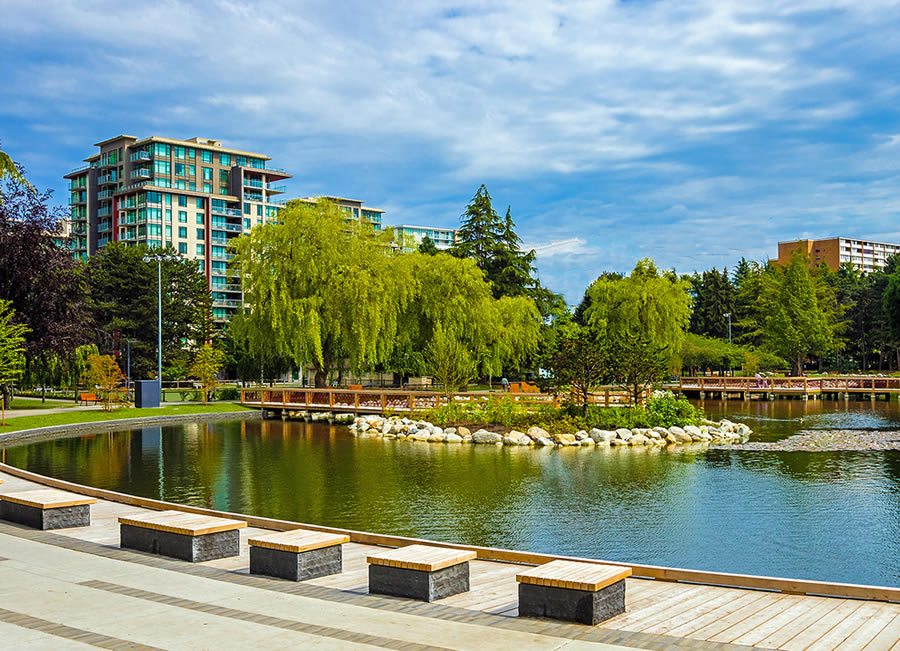
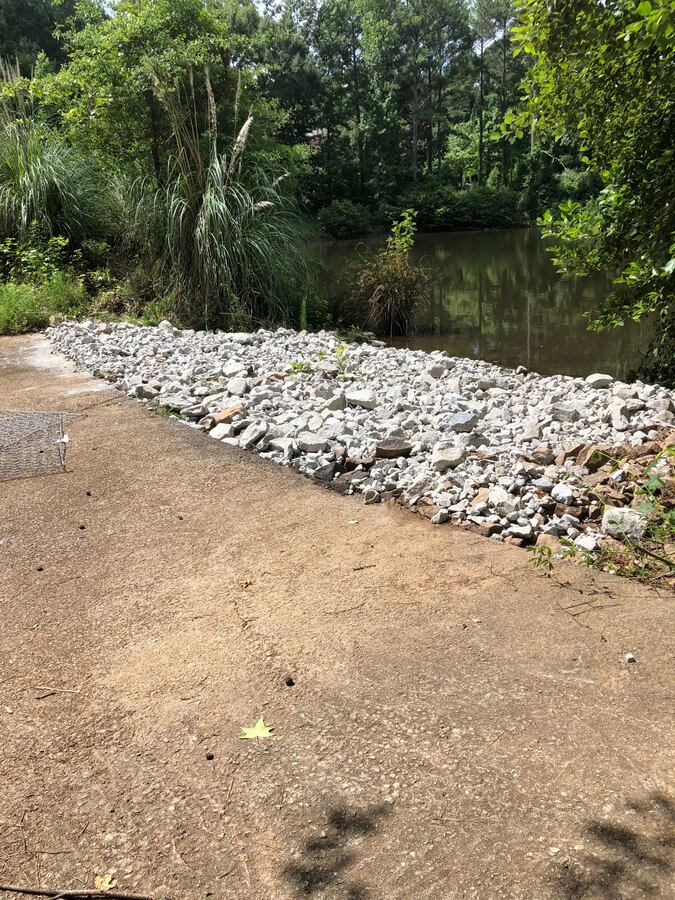
Shoreline vegetation also plays a vital role in protecting wildlife. Native plants along the edge of a lake act as a natural buffer, filtering runoff before it enters the water. This helps reduce sediment, pollutants, and excess nutrients that could harm aquatic life. In addition, these plants provide shelter and nesting areas for birds, amphibians, and small mammals. Frogs, salamanders, and turtles often rely on shoreline plants for protection and breeding grounds. Maintaining or restoring natural vegetation along lake edges creates a more stable and supportive environment for many species. A lake services company specializing in retention pond maintenance can help you restore shoreline vegetation.
Amphibians are particularly sensitive to environmental changes, making them important indicators of ecosystem health. Frogs, toads, and salamanders require clean water for reproduction and development. Polluted water, habitat destruction, and chemical exposure can severely impact their populations. By reducing pesticide use, controlling runoff, investing in retention pond maintenance, and maintaining healthy vegetation around lakes, communities can help create safe habitats where amphibians can thrive.
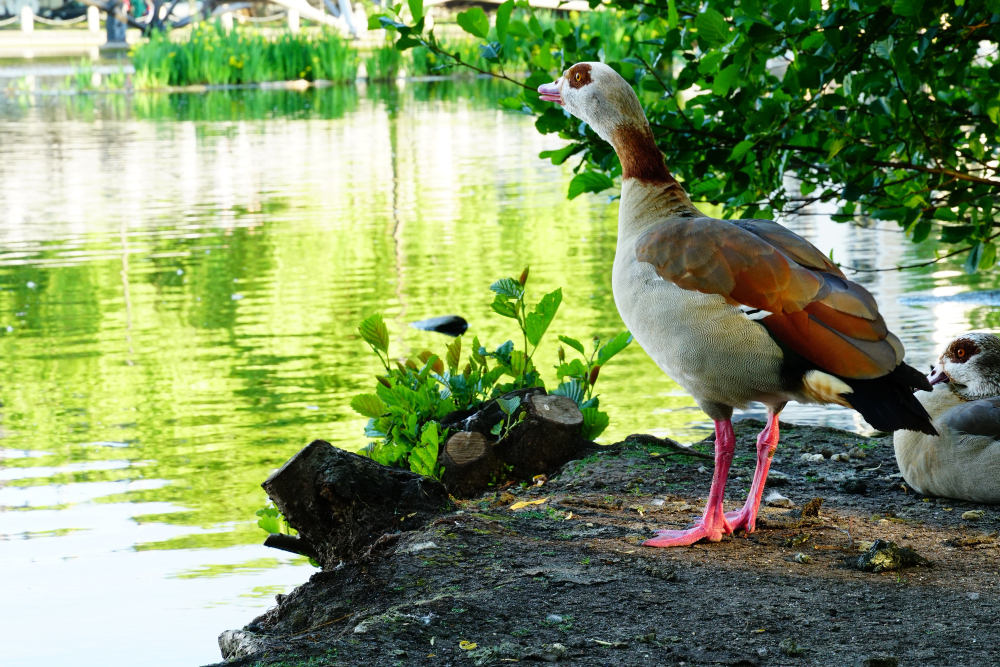
Birds also benefit greatly from well-managed lake environments. Many bird species rely on lakes for food, nesting areas, and migration stopovers. Waterfowl such as ducks and geese feed on aquatic plants and small invertebrates found in lakes. Wading birds like herons and egrets hunt fish and amphibians in shallow waters. When lakes are healthy and full of diverse life, they provide a reliable food source and safe habitat for these birds. Protecting fish populations and preserving wetland areas around lakes ensures that birds continue to find the resources they need.
Another important aspect of lake care is controlling invasive species. Non-native plants and animals can disrupt natural ecosystems by outcompeting native species for food and habitat. Invasive aquatic plants, for example, can form dense mats that block sunlight and reduce oxygen in the water. This can harm fish and amphibians while limiting the growth of beneficial native plants. Responsible lake management includes monitoring for invasive species and undertaking routine lake dredging to control or remove them before they spread.
Professional lake care is a vital process for maintaining healthy ecosystems. If you’re looking for a reliable lake management company to restore your lake, get in touch with the team at Aquatic Restoration. Our team has been in the industry for over 35 years, utilizing state-of-the-art equipment and proven techniques to restore balance to your water body. Whether you’re in need of shoreline protection, runoff management, or detention pond management, we’ve got you covered. Contact us now to book an appointment with our technicians!
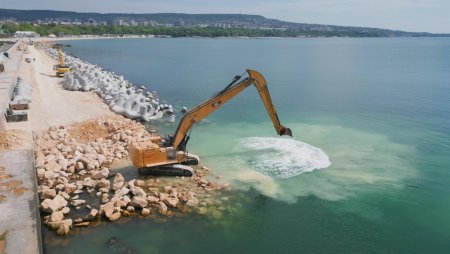
Lakes and ponds accumulate sediment, sludge, and accumulated organic debris at the bottom, leading to deteriorating water quality, oxygen depletion,…
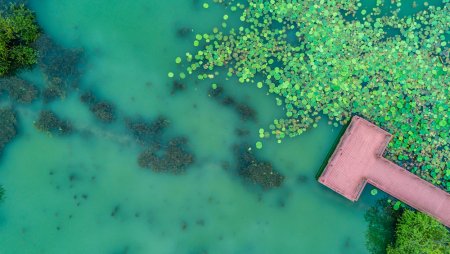
Have you ever wondered why algae blooms often get worse during summer months? Warm temperatures, extra sunlight, and nutrient availability…

Did you know that municipalities are responsible for publicly owned ponds? These ponds come in handy for flood control…
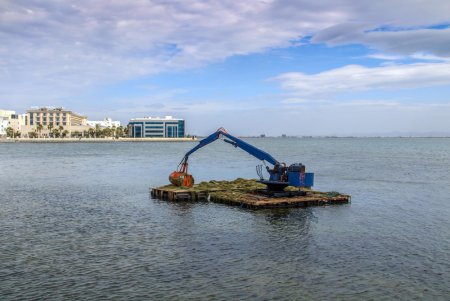
Does your pond or lake look murky, discolored, or overrun by algae? Is the water noticeably shallower? These are common…
Also known as a wet pond, a retention pond helps to manage excess storm water to prevent flooding and improve…