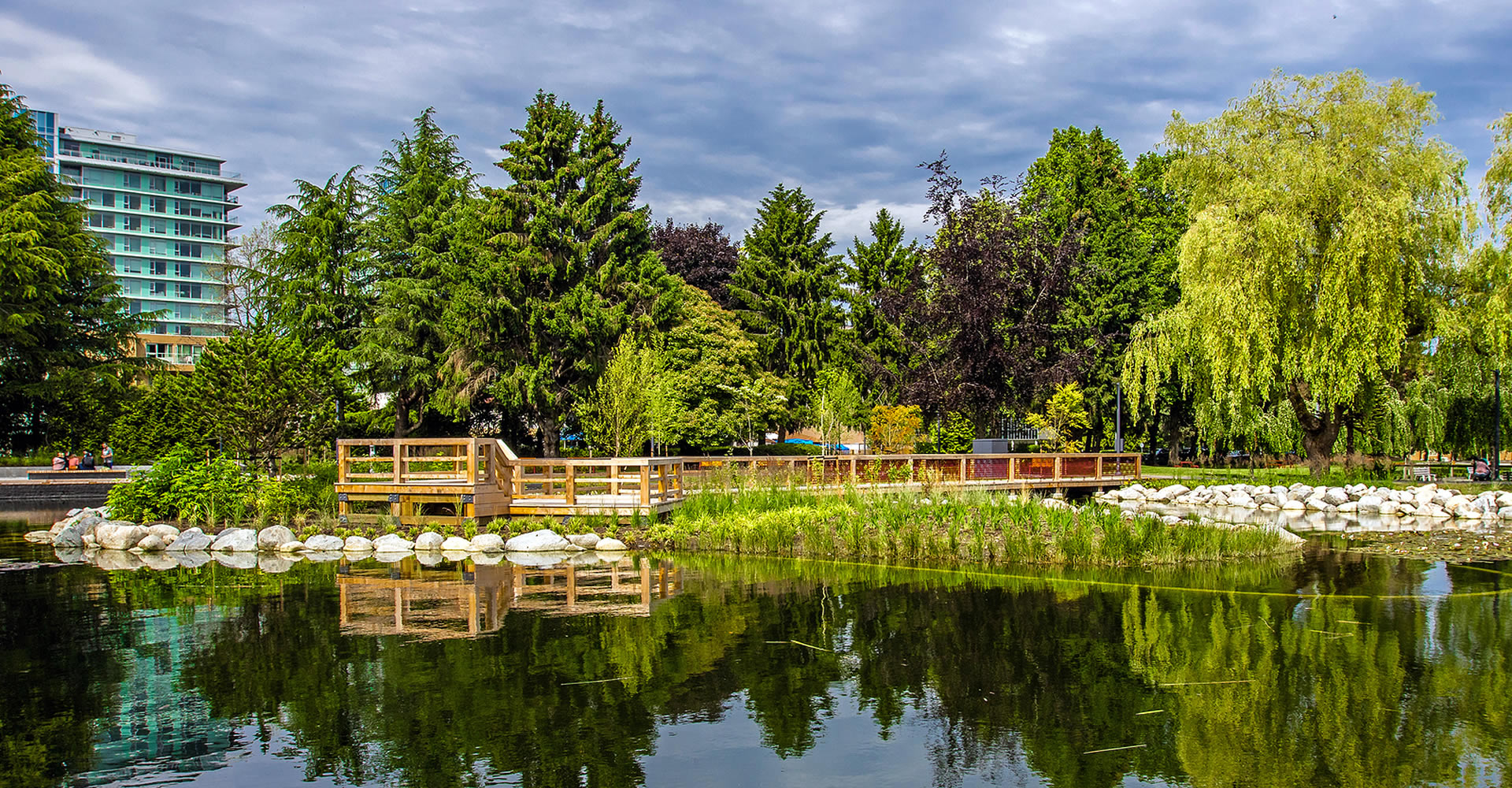
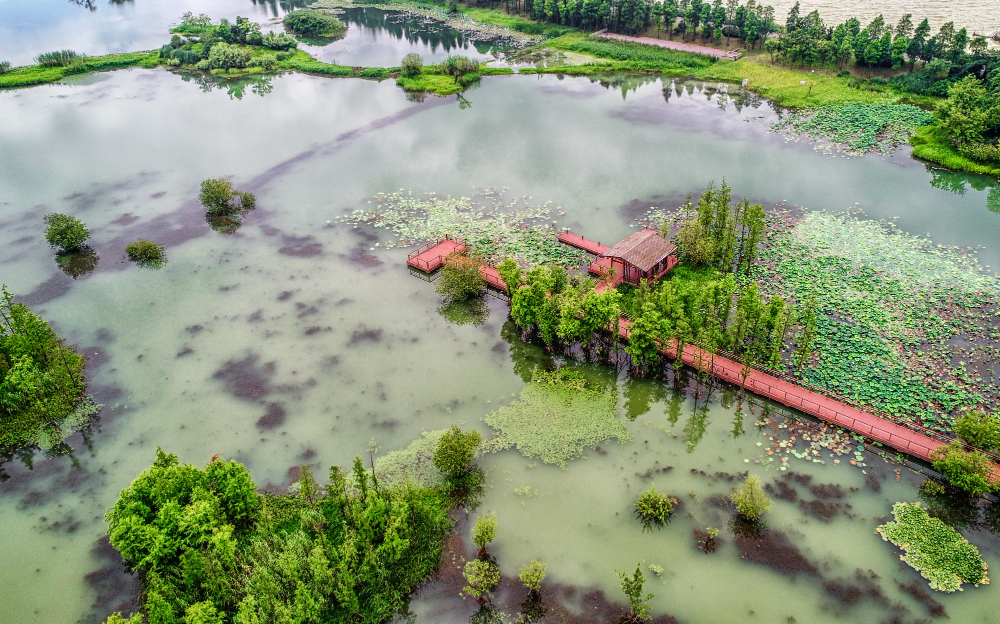
Algae and contaminants are hands down among the most common and frustrating problems that pond owners face today. Excessive algae growth and widespread contamination can be a disaster for your pond or lake. Apart from becoming an embarrassing eyesore, excessive algae growth can harm aquatic life, and it isn’t safe to swim in.
If algae is killing your pond or lake, you’ve come to the right place. In this post, we’ll share tips on how to manage algae and contaminants in ponds and lakes. Over the years, we’ve helped our customers maintain clear and healthy aquatic ecosystems by offering a wide range of services, including detention pond maintenance. As a top-rated lake services company in Georgia, we’re here to help you keep your pond or lake ecosystem healthy and well-balanced.
This is the first line of defense against algae growth. For small ponds and lakes, you can use rakes and nets to remove floating algae mats and string algae. Professional companies often use aquatic harvesters, hydro-rakes, and pond vacuums to remove large quantities of algae and aquatic weeds from the water. While these methods do not address the root cause, they provide immediate relief and improve water appearance.
Biological solutions are another effective way to manage algae naturally. Beneficial bacteria treatments help break down organic sludge and consume excess nutrients before algae can use them. Our lake management specialists recommend you introduce aeration systems to maintain water balance. Aeration improves oxygen levels, supports beneficial microorganisms, and prevents stagnant conditions that encourage algae blooms. Well-oxygenated water promotes a healthier ecosystem overall.
Chemical treatments may be necessary in cases of severe algae growth or contamination, but they should be used carefully and strategically. Algaecides can provide fast results, but improper use can harm fish, beneficial plants, and water quality. It’s important to choose products that are appropriate for the specific type of algae present and to follow application guidelines closely. Chemical treatments for algae are most effective when combined with long-term nutrient management strategies. A professional lake dredging company like Aquatic Restoration knows how to effectively use chemical treatments for algae control.

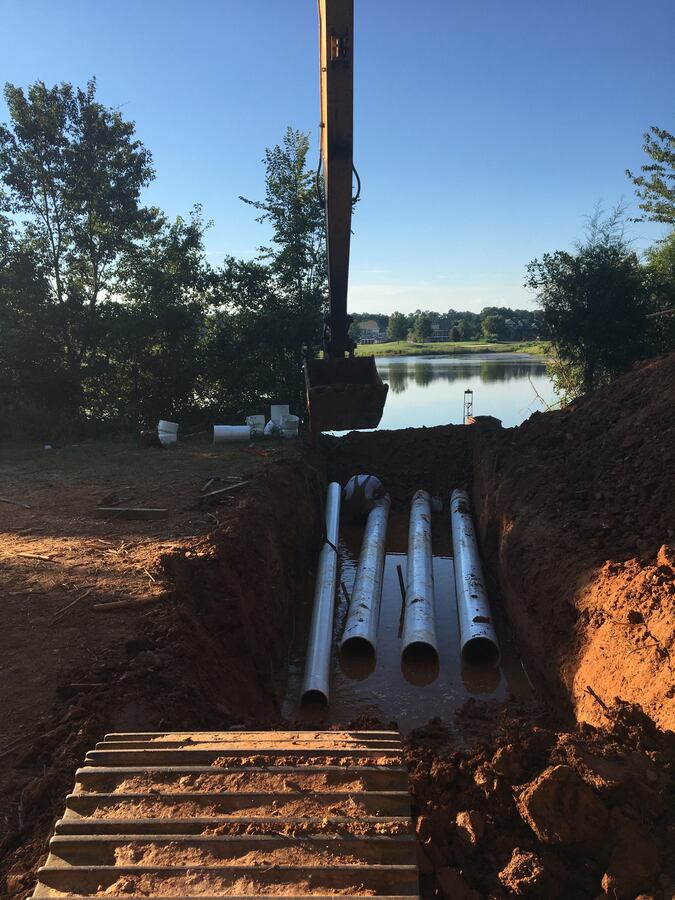
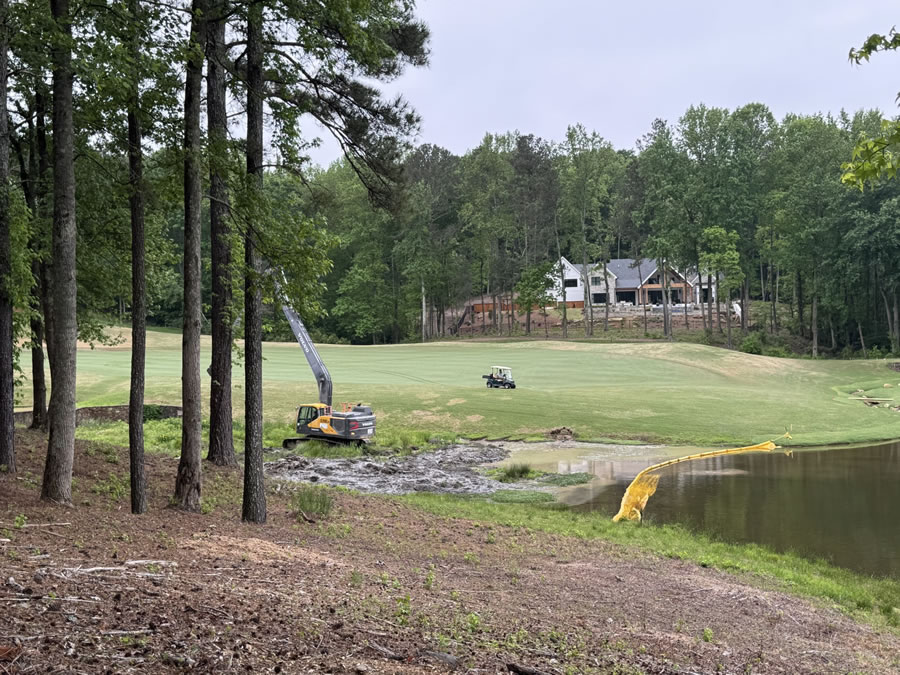
Managing contaminants in ponds and lakes goes hand in hand with algae control. The common contaminants include sediment, pesticides, heavy metals, and bacteria. Preventing erosion around the shoreline helps reduce sediment buildup, which can carry pollutants into the water. Installing erosion control measures such as riprap, retaining walls, retention ponds, or native grasses stabilizes soil and improves water clarity. Regular water testing also helps to identify contaminants early and take corrective action before problems worsen. Seek help from a trusted lake services company when you need erosion control or retention pond maintenance.
If you’re struggling with persistent algae issues or water contamination and need help from a trusted lake services company, get in touch with the team at Aquatic Restoration. Remember, controlling algae requires a high level of expertise, specialized tools, and effective techniques. Aquatic Restoration is the name you can rely on when you need specialists to help you control algae growth and create a stunning pond or lake. For over 35 years, our team of skilled technicians has provided dependable lake services to both residential and commercial clients in the areas we serve. Some of the services we offer include lake dredging, shoreline stabilization, spillway renovation, siphon installation, detention pond maintenance, and many more. Contact us today to learn more about our services.
All lakes fill up with mud over time, often accelerated by erosion and runoff, organic decomposition, and human activity. Some…
Like streams, rivers, and oceans, lakes and ponds have unique needs that must be met for them to thrive.…

Lake management offers incredible benefits, including improved water quality, ecological balance, enhanced recreation, and more. But how much can you…
Ponds and lakes go through a lot, whether it be during winter or warm weather. Over time, water bodies accumulate…
.webp)
Water quality monitoring should be an important part of