


A retention pond plays a crucial role in managing stormwater runoff. However, maintaining this type of pond comes with a unique set of challenges that can impact its effectiveness and appearance if left unaddressed. Over time, sediment buildup can reduce the pond’s storage capacity and lead to overflow during heavy rain. Algae blooms and invasive aquatic plants can disrupt the pond’s natural balance.
In today’s blog post, Aquatic Restoration—a trusted pond management company in Atlanta, GA—shares some of the common retention pond maintenance challenges. This article will help you understand the issues that often arise in stormwater ponds, why they matter, and how routine maintenance can preserve both function and appearance over time. Let’s look at what to watch for and how to respond.
One of the most common issues with retention ponds is sediment buildup. As stormwater flows into the pond, it carries soil, debris, and other particles that settle on the bottom. This accumulation reduces the pond’s capacity to hold water, increases the risk of overflow during heavy rains, and can negatively impact aquatic life. Regular lake dredging and sediment removal can help maintain the pond’s effectiveness.
Retention ponds are prone to algae growth, particularly when nutrient levels, especially nitrogen and phosphorus, become elevated. These nutrients can come from lawn fertilizers, pet waste, and decaying organic matter. Algae blooms not only affect the appearance of the pond but also deplete oxygen levels in the water, harming fish and other aquatic organisms. Without proper control, the pond can turn into a stagnant, foul-smelling body of water.
While some vegetation around a pond is necessary for erosion control and filtration, unmanaged plant growth can quickly become a problem. Invasive species such as cattails or phragmites can overtake the pond’s natural vegetation, clog outlets, and limit water flow. Dense plant growth may also attract unwanted pests and make routine maintenance more difficult. A proper vegetation management plan can keep the ecosystem in balance.
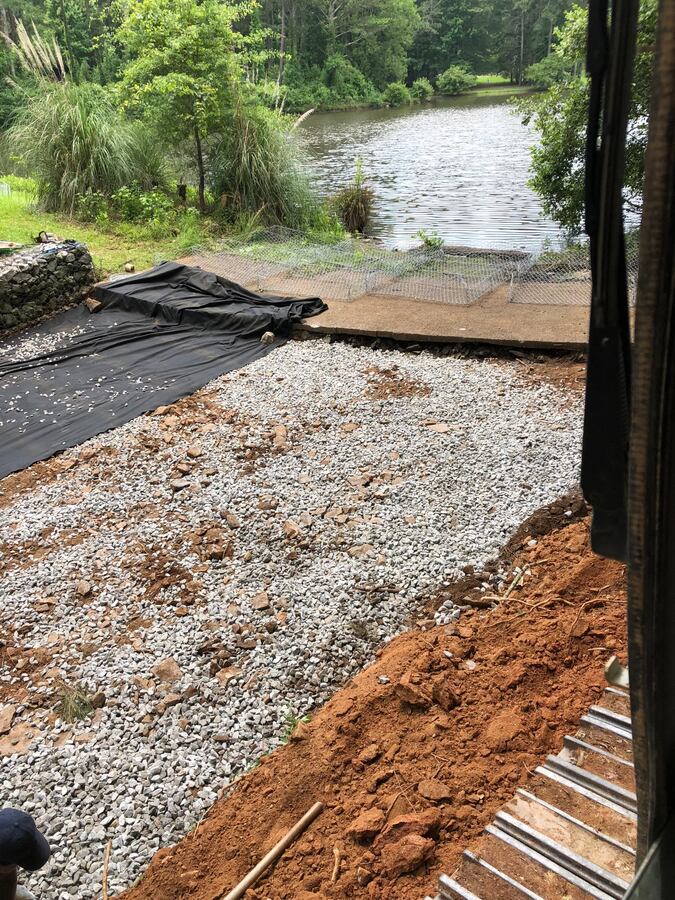
Erosion is a frequent and often overlooked issue. Water fluctuations and wave action caused by wind or inflow can gradually wear away the edges of the pond and lead to unstable banks and potential collapse. Eroded banks can also cause further sediment buildup in the water. Stabilizing the banks with native vegetation or erosion control blankets can help mitigate this issue.
Trash, branches, and other debris can accumulate in a retention pond, especially after storms. This debris often blocks inlet and outlet structures, reducing the pond’s ability to manage water flow. A clogged outlet can cause localized flooding and strain the stormwater system. Routine inspections and cleanups are necessary to keep these structures clear and functioning properly.
Without proper circulation or maintenance, water quality in a retention pond can decline. Stagnant water promotes mosquito breeding, emits unpleasant odors, and becomes an eyesore in the community. Aeration systems, regular testing, and timely interventions are necessary to maintain a healthy aquatic environment.
Aquatic Restoration is a reliable lake services company offering professional retention pond maintenance services. From debris removal and water quality management to algae control and plant management, we’ve got you covered. We have been in business for over 35 years and have built an outstanding reputation for delivering reliable pond management services. Our team comprises highly skilled and experienced technicians who are committed to exceeding customers’ expectations. If you’re experiencing problems with your retention pond, Aquatic Restoration is one phone call away.

Retention ponds help manage stormwater runoff, reduce flooding, and capture sediment before it reaches nearby waterways. However, retention pond maintenance…
.webp)
Stormwater management is an essential part of controlling rainwater runoff and protecting natural ecosystems. There are two options that often…

Dredging is an integral part of preserving a lake’s natural balance. Removing accumulated sand, silt, mud, and decaying organic debris…

A retention pond may become an environmental liability when it develops excessive algae, accumulates heavy sediment, suffers shoreline erosion,…

Dredging removes accumulated sediment, muck, sludge, and decaying organic debris from the bottom of a water body. This process is…