
Is your once beautiful and sparkling lake looking murky? Does excessive algae or scum on the surface turn it into an eyesore? These are common issues with lakes and ponds and must be addressed in a timely manner to avoid disrupting the entire ecosystem. There are many reasons why your lake may no longer appear clean and healthy. Knowing what to do about it can mean the difference between preserving a thriving aquatic environment and watching it deteriorate beyond repair.
Today, the specialists at Aquatic Restoration share some of the reasons why your lake may not be as clear as it used to be and how you can address the problem.
One of the most common reasons for murky water is nutrient overload, especially from nitrogen and phosphorus. These nutrients often come from fertilizers, septic system leaks, or stormwater runoff. When too many nutrients enter the water, they stimulate the rapid growth of algae and aquatic weeds. As algae bloom and die, they decompose and consume oxygen, which not only clouds the water but can also suffocate fish and other aquatic life.
Sediment runoff is another major factor. Rain can wash soil, leaves, and organic debris into the lake, especially if nearby areas are under construction or lack proper vegetation. Over time, this sediment builds up on the lakebed and makes the water appear brown or cloudy. Even boating or swimming can stir up the sediment and reduce visibility.
Invasive species can also play a role. Certain types of fish and plants can disturb sediment or outcompete native species, upsetting the ecosystem’s natural balance. Additionally, stagnant water due to poor circulation or lack of aeration allows debris and organic matter to accumulate, further decreasing clarity.

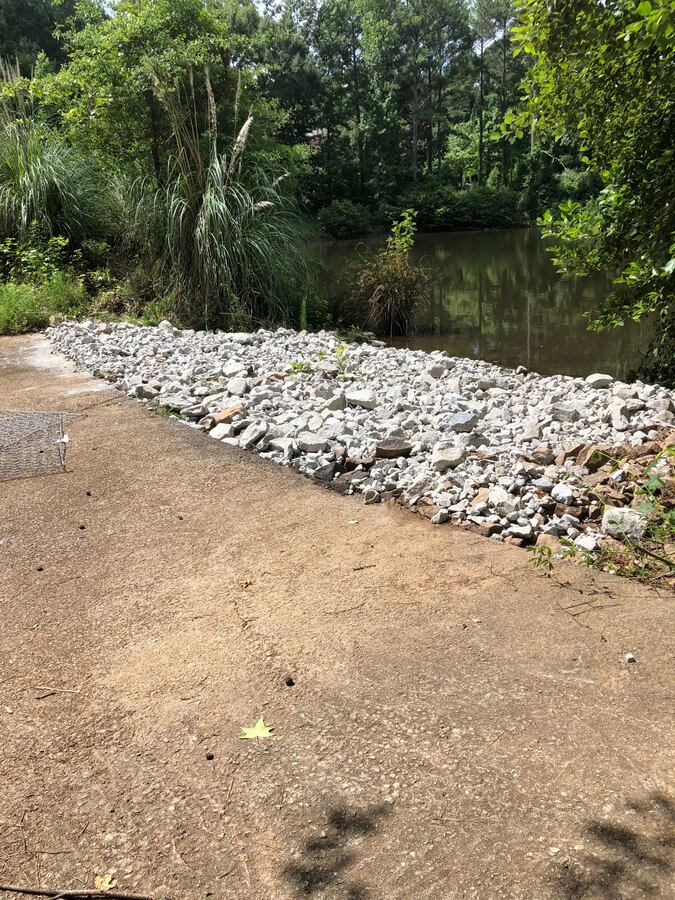
Improving your lake’s clarity begins with identifying the source of the problem. Conducting a professional water quality test is a great first step. This test can reveal nutrient levels, pH balance, and other factors affecting your lake’s health.
One of the most effective solutions is nutrient management. You can reduce nutrient input by minimizing fertilizer use around the lake, maintaining septic systems, and installing buffer zones with native plants along the shoreline. These plants act as natural filters, absorbing excess nutrients and preventing soil erosion.
If your lake suffers from algae blooms, aeration systems can make a difference. By circulating and oxygenating the water, aeration reduces the buildup of organic matter and discourages algae growth. In some cases, beneficial bacteria treatments may be applied to break down organic sludge safely and naturally.
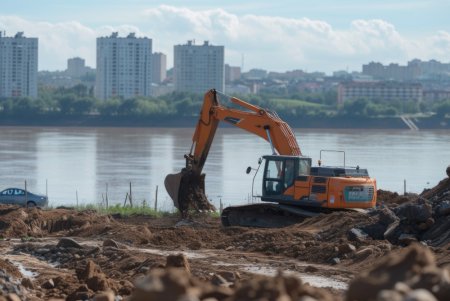
Sediment control is another crucial aspect when it comes to keeping your lake in great condition. Stabilizing nearby soil with vegetation or retaining walls can help reduce runoff. For lakes already suffering from heavy sedimentation, professional lake dredging may be necessary to remove the buildup and restore depth and clarity.
The key to keeping your lake in pristine condition is working with a trusted lake services company. Experienced lake management specialists in Georgia understand the common causes of water quality decline and what can be done to restore the lake to its peak condition. From lake dredging and algae control to shoreline stabilization and routine water testing, these experts do it all. If you’re looking for a dependable lake management company, look no further than Aquatic Restoration. Our skilled technicians are equipped with state-of-the-art tools and the latest technology to deliver exceptional services. Contact us now to book an appointment.
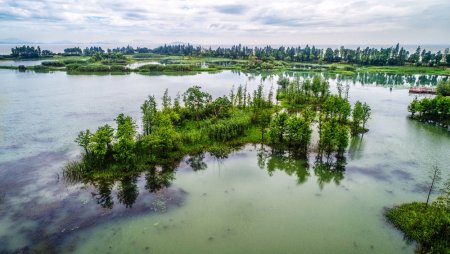
Spillways act as safety valves for ponds and lakes. They safely let extra water flow out when heavy rain fills…
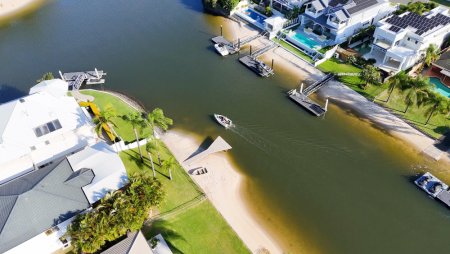
Community lakes are often taken for granted until the water turns green, the fish die, and the shoreline starts to…
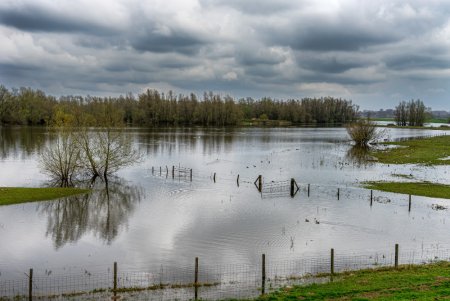
Retention ponds in HOA communities are important for flood prevention, controlling water flow, and filtering pollutants. When detention ponds…
Lakes naturally accumulate sediment over time due to stormwater runoff, shoreline erosion, and the decay of aquatic plants. Without…

Retention ponds are vital to managing stormwater and preventing flooding. Found in suburban neighborhoods, HOAs, roadsides, public parks, and commercial…