
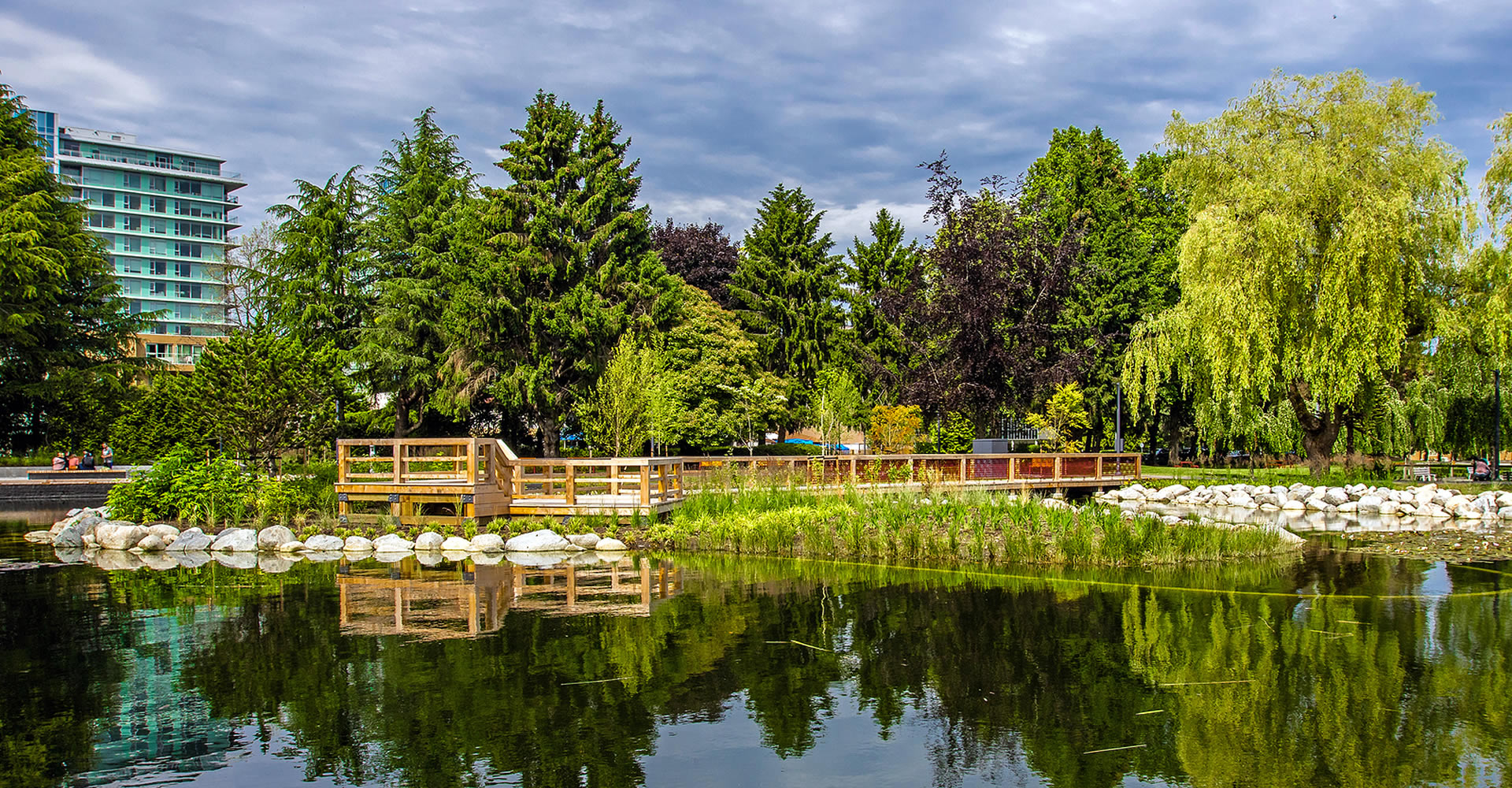

When most people look at a lake, they see peaceful waters reflecting the sky, surrounded by greenery and wildlife. Lakes are undeniably beautiful and serve as the centerpiece of many communities and natural landscapes. But beyond their aesthetic charm, healthy lakes play a vital role in maintaining environmental balance, supporting local economies, and ensuring public health. In today’s blog post, we’ll look at why a well-maintained lake is so much more than a picturesque view.
Lakes serve as reservoirs of freshwater, supporting countless plant and animal species. They provide drinking water for nearby communities and habitat for fish, birds, and aquatic vegetation. When a lake’s ecosystem is healthy, it maintains natural filtration processes that help purify water by trapping sediments, nutrients, and pollutants. However, when pollution, erosion, or sediment buildup overwhelms these natural systems, the lake’s water quality begins to deteriorate. Maintaining a healthy lake ensures that this balance is preserved, keeping water safe and the ecosystem thriving.
A healthy lake is home to a diverse range of organisms that rely on each other to survive. From microscopic plankton to large fish and waterfowl, every species contributes to the overall health of the ecosystem. When water quality declines, so does biodiversity. Fish populations may drop, invasive species may take over, and native plants can die off. Lake dredging, pollution control, and proper shoreline management help restore these natural habitats and promote the return of balanced aquatic life. Protecting biodiversity is not only an ecological necessity but also essential to preserving the natural beauty and recreational appeal of the lake.
Healthy lakes enhance the quality of life for local residents and visitors alike. They provide a space for recreational activities such as fishing, swimming, kayaking, and boating. Clean waters and safe shorelines attract families, tourists, and outdoor enthusiasts year-round. When lakes become polluted or overrun with weeds and algae, however, these activities become unsafe or unpleasant. Maintaining a lake’s health through regular monitoring and care ensures that people can continue enjoying the natural beauty and outdoor experiences that lakes offer.
Beyond recreation, healthy lakes are also economic assets. Communities near lakes rely on tourism, fishing, and waterfront property values to sustain local economies. When a lake’s water quality declines, tourism and property values can drop. Waterfront businesses such as resorts, marinas, and rental properties depend on a clean and inviting environment to attract customers. Investing in lake maintenance, including lake dredging and pollution prevention, not only protects the ecosystem but also safeguards the economic stability of surrounding communities.

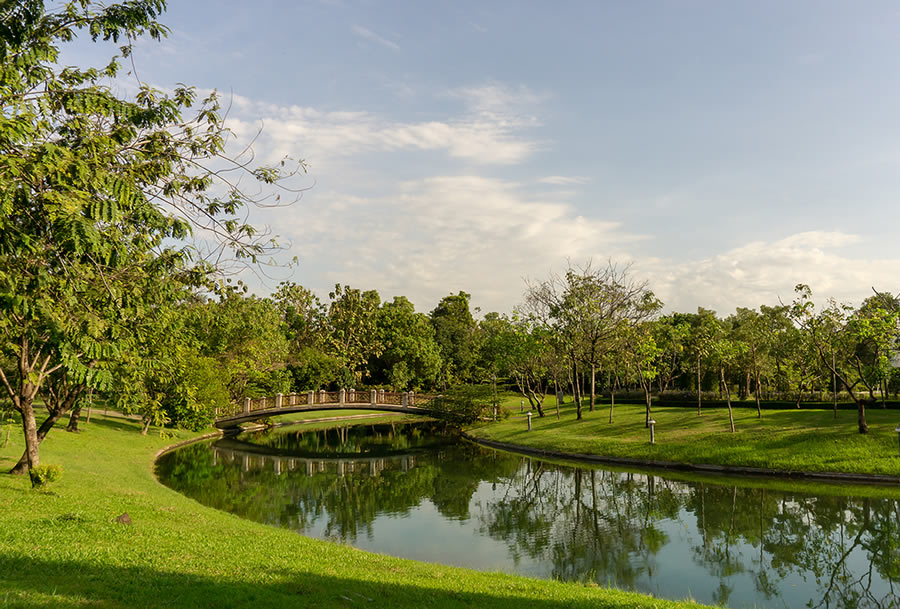
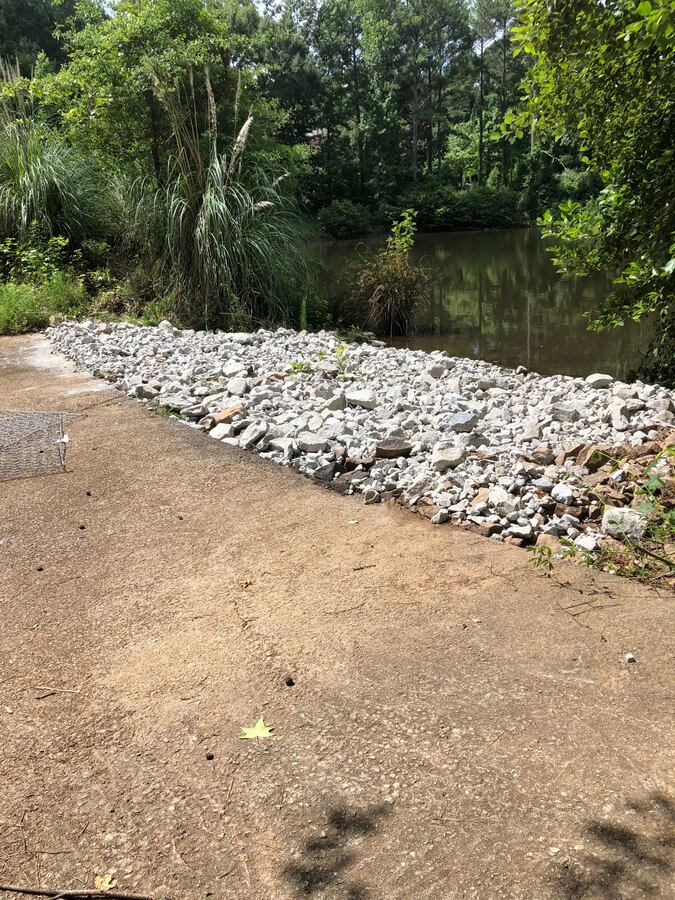

Healthy lakes also play a role in stormwater management. By storing runoff and absorbing excess rainwater, lakes reduce the risk of flooding in nearby areas. However, sediment buildup can reduce a lake’s depth and capacity, limiting its ability to handle heavy rains. This can lead to flooding, shoreline erosion, and property damage. Regular maintenance, including dredging and sediment control, keeps the lake functioning as a natural buffer against storms, protecting both people and property.
Does your lake’s water quality seem to be declining? Are there excessive algae blooms in your lake? Has your lake’s water level noticeably decreased over time? These are signs that you need to call a nearby lake dredging service. Aquatic Restoration is a top-rated lake management company in Georgia with over 35 years of experience providing dependable services. Our experienced technicians are equipped with state-of-the-art tools and equipment to get the job done professionally and restore your lake to its pristine condition. Contact Aquatic Restoration today to book an appointment.
Spillways act as safety valves for ponds and lakes. They safely let extra water flow out when heavy rain fills…
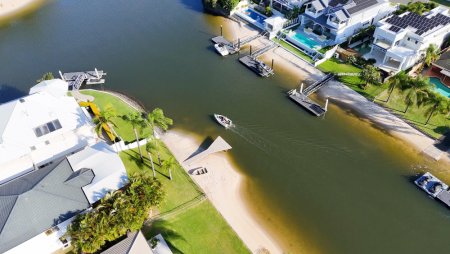
Community lakes are often taken for granted until the water turns green, the fish die, and the shoreline starts to…
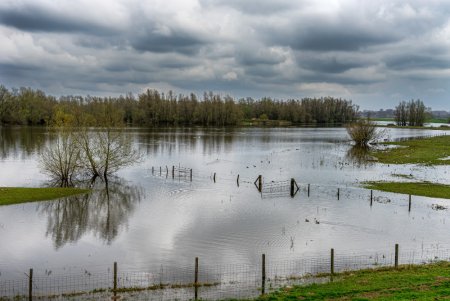
Retention ponds in HOA communities are important for flood prevention, controlling water flow, and filtering pollutants. When detention ponds…
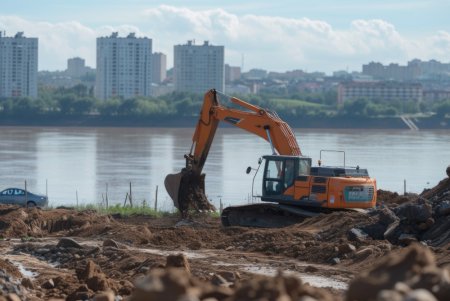
Lakes naturally accumulate sediment over time due to stormwater runoff, shoreline erosion, and the decay of aquatic plants. Without…

Retention ponds are vital to managing stormwater and preventing flooding. Found in suburban neighborhoods, HOAs, roadsides, public parks, and commercial…