
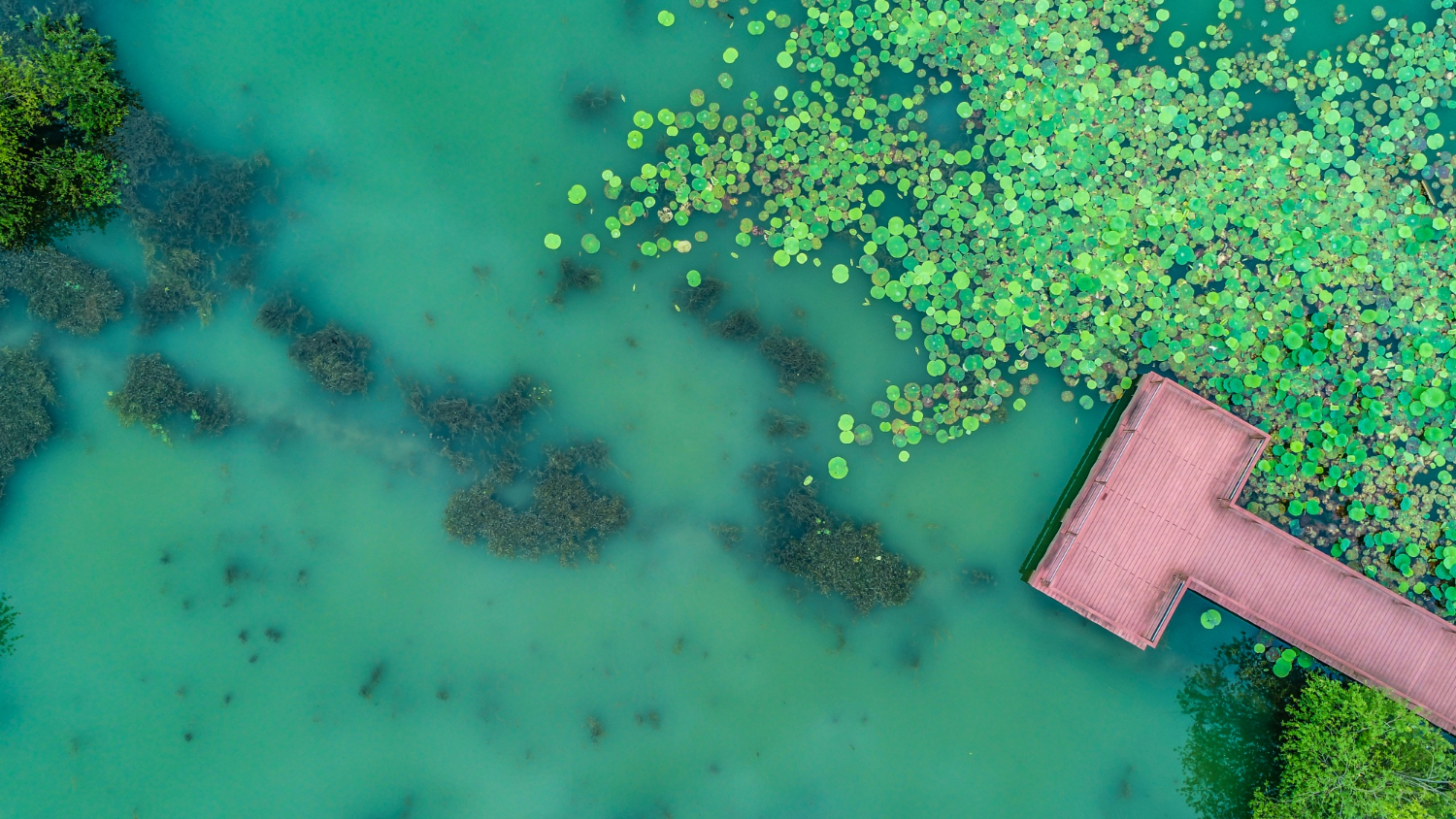
If you’ve ever walked outside and noticed your lake suddenly turn a murky shade of green, you’re not alone. Many homeowners experience this frustrating change. Lakes turn green primarily because of algae blooms, a rapid increase of microscopic algae or cyanobacteria. While a little algae is normal and even beneficial, too much can create serious problems for lake health, wildlife, and property owners.
If your lake or pond in Georgia has turned green and you’re wondering what could be the cause, you’ve come to the right place. In today’s blog post, we’ll explain why water bodies turn green and what you can do to stop it. Here at Aquatic Restoration, we pride ourselves on offering trusted lake dredging services. Give us a call when you notice signs of algae blooms in your lake or pond.
The biggest culprit behind green lakes is excessive nutrients, mainly phosphorus and nitrogen. These nutrients often enter the water through:
When these nutrients accumulate, they act like “food” for algae. With warm water and plenty of sunlight, algae begin to multiply rapidly.
Algae blooms thrive in calm, warm conditions, which is why they usually peak from late spring through early fall. Hot temperatures speed up algae growth, while still waters prevent them from being naturally dispersed. After heavy rainfall, nutrient-rich runoff enters the lake to create the perfect storm for an explosive bloom once the weather clears.
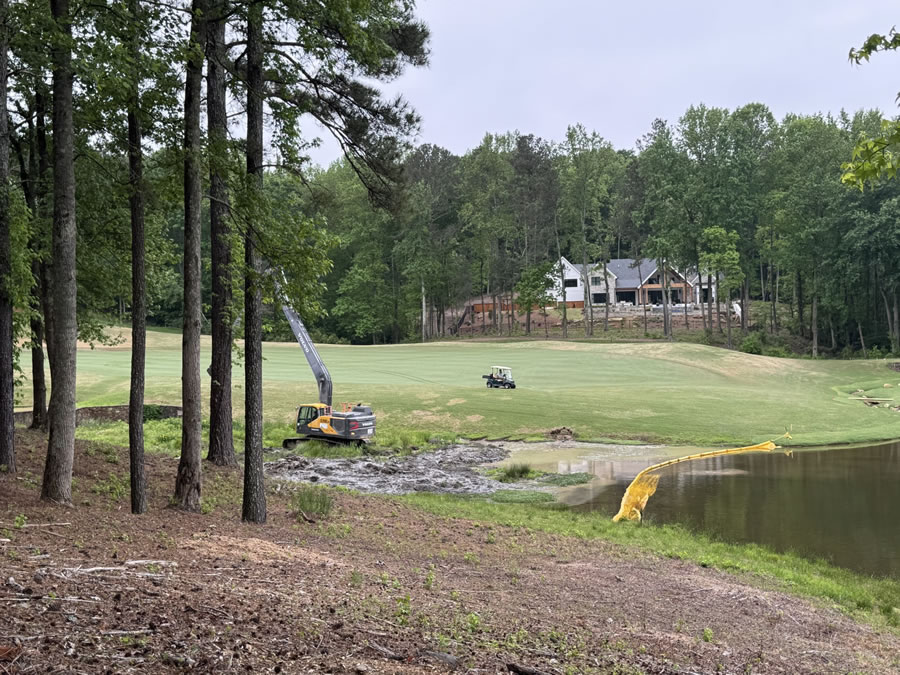
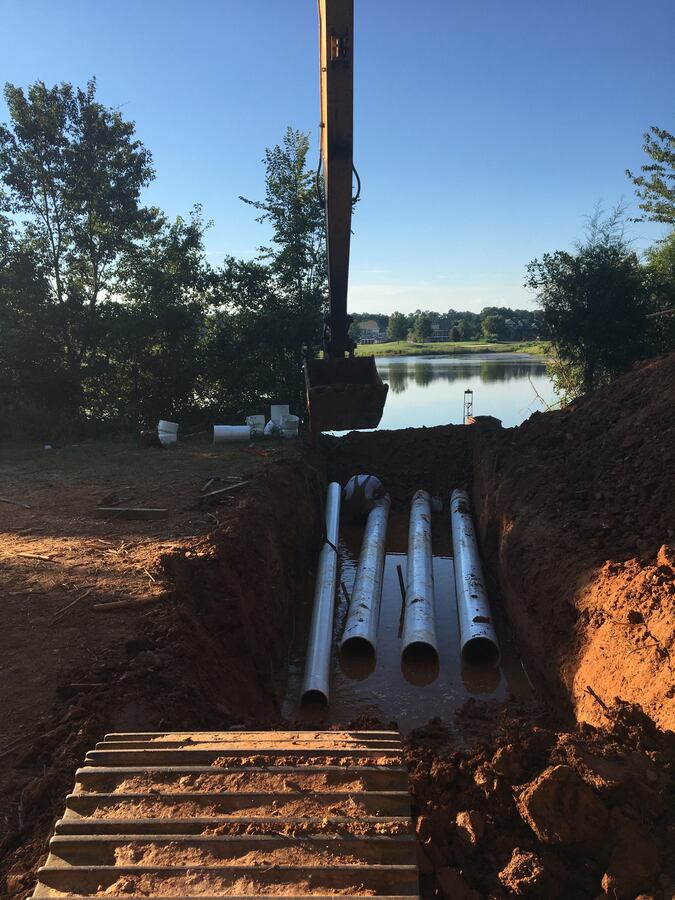
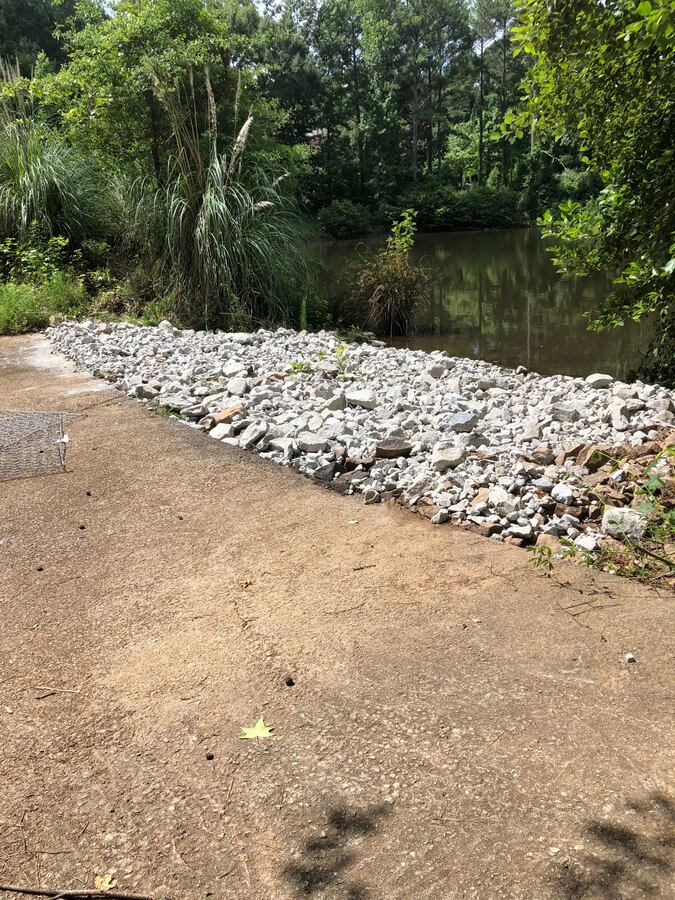
Lakes that are shallow or poorly circulated are more prone to algae problems. Without proper movement, water becomes stagnant, oxygen levels drop, and algae can dominate the ecosystem. Sediment buildup at the bottom of lakes also traps nutrient-rich muck, which continuously feeds algae growth every summer.
Not all algae are harmful, but certain types, especially cyanobacteria, can produce toxins that pose serious health risks. Harmful algal blooms can:
Even non-toxic blooms can make the lake look unhealthy and reduce property values.
Homeowners should watch for early warning signs, such as:
While algae growth is natural, homeowners can take steps to reduce severe blooms:
If you’ve noticed increased algae growth, a noticeable decrease in water depth, or foul odors coming from the water, contact the team at Aquatic Restoration for lake dredging service. Regular dredging provides a wide range of benefits, including restoring original water depth, improved water quality, and enhanced aquatic habitat. Here at Aquatic Restoration, we pride ourselves on offering professional lake dredging services to restore your lake to its original position and improve water quality. Our experienced technicians are equipped with top-of-the-line tools and equipment to get the job done right the first time. Whether you’re in need of retention pond maintenance or sediment removal, we are here to help. Contact us today to book an appointment.
Spillways act as safety valves for ponds and lakes. They safely let extra water flow out when heavy rain fills…
Community lakes are often taken for granted until the water turns green, the fish die, and the shoreline starts to…
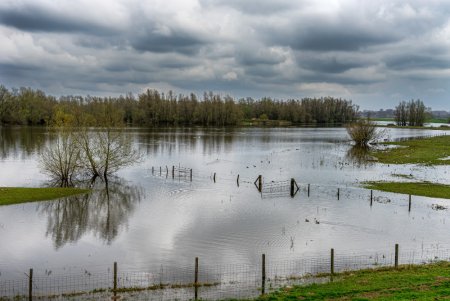
Retention ponds in HOA communities are important for flood prevention, controlling water flow, and filtering pollutants. When detention ponds…
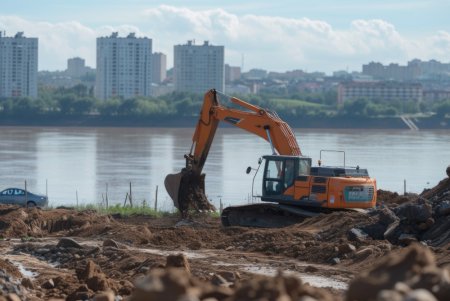
Lakes naturally accumulate sediment over time due to stormwater runoff, shoreline erosion, and the decay of aquatic plants. Without…

Retention ponds are vital to managing stormwater and preventing flooding. Found in suburban neighborhoods, HOAs, roadsides, public parks, and commercial…