
.webp)
Lakes in Atlanta can and do disappear, a process that seems unlikely until it becomes a reality. Many lakes shrink slowly due to a combination of climate, human, and environmental pressures. A shrinking lake can cause severe environmental and public health crises, the collapse of local ecosystems, and economic losses.
Atlanta’s heavy storms do not just damage homes and cause power outages; they are also known to shrink lakes. This is why lake management companies in Georgia recommend dredging lakes on a regular basis to remove accumulated mud, silt, and dead organic matter from the bottom. The team at Aquatic Restoration has been offering dependable lake services for over 35 years. Today, we’ll talk about why heavy storms in Atlanta are shrinking your lake and how dredging helps.
This process is known as sedimentation, and it can happen surprisingly quickly after repeated heavy storms. Properties near construction sites, exposed soil, steep slopes, or poorly controlled drainage are especially vulnerable. As sediment accumulates, a lake that once had plenty of open, deep water may develop shallow areas, muddy bottoms, and excessive vegetation.
The effects go beyond appearance. A shrinking lake can lose valuable water-storage capacity, making it less effective at handling future stormwater. Shallow water can also become warmer, which may encourage unwanted algae and aquatic plant growth. Sediment can carry nutrients and pollutants into the water, affecting water quality and aquatic habitats.
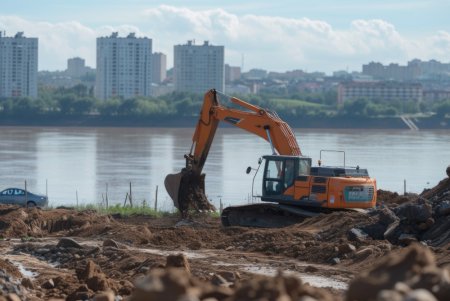
Lake dredging removes accumulated sediment from the bottom of a lake or pond, restoring depth and capacity. Depending on the project's size and site conditions, dredging may involve excavating sediment mechanically or removing it hydraulically.
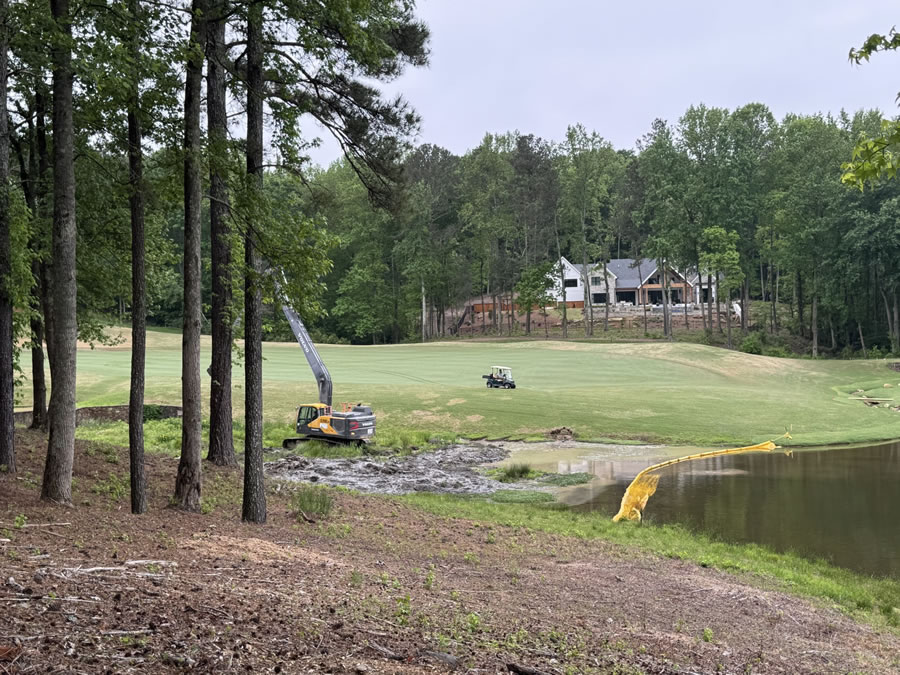
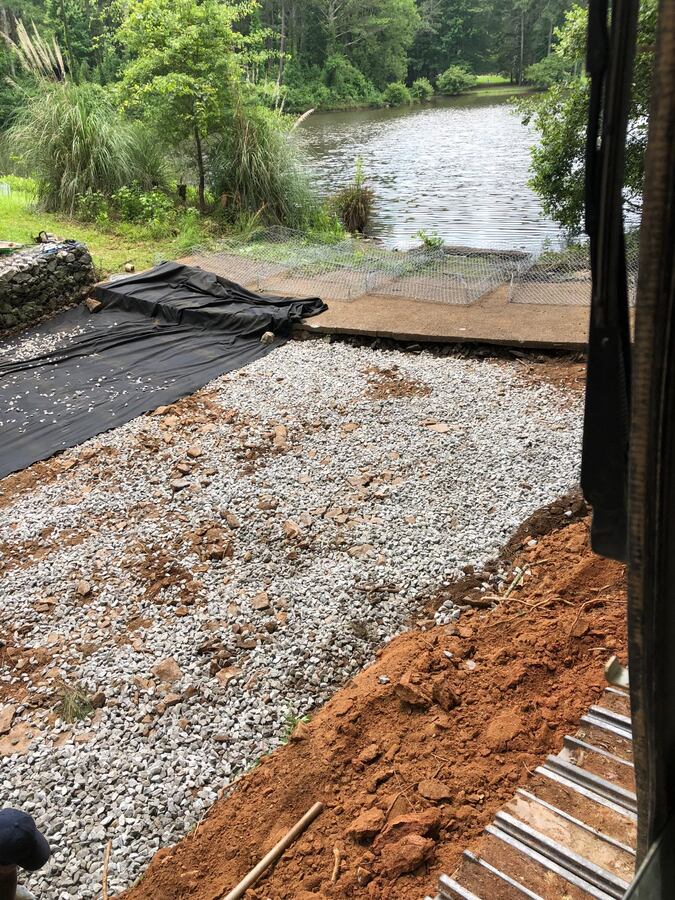
Restoring depth can improve water circulation, increase available storage, reduce overly shallow areas, and improve the overall appearance and function of the lake. For stormwater ponds, removing sediment can also help restore the capacity originally designed into the system. A top-rated retention pond maintenance company can help you restore your stormwater pond when it begins to shrink.
However, dredging should not be viewed as a one-time solution to every sediment problem. If stormwater continues to carry large amounts of soil into the lake, sediment will accumulate again. Effective lake management combines dredging with erosion control, stabilized drainage channels, vegetative buffers, and improvements to stormwater management upstream.
Atlanta's intense storms are a reminder that sediment can enter a lake faster than many property owners realize. Regular inspections can help identify sediment buildup before it seriously affects depth, water quality, or stormwater capacity. It’s a good idea to work with a trusted company specializing in retention pond maintenance to protect your lake before problems get out of hand.
If your lake has noticeably shallower areas, expanding vegetation, muddy water after storms, or visible sediment deposits, it may be time for a professional assessment. Dredging can restore lost capacity—but preventing additional sediment from entering the lake is what helps protect that investment for the long term. We recommend you seek professional help from a local detention pond maintenance service provider when you notice signs of a shrinking lake.
Storms can have severe effects on lakes through wind-driven displacement and physical damage. Without intervention from experts, some lakes fail to recover once water loss begins. Luckily, Aquatic Restoration is here to help when you need lake dredging services. With over 35 years of experience, we are the experts you can rely on to provide professional lake services. We are equipped with state-of-the-art equipment and have a team of highly trained technicians who are ready to get the job done right. Contact us today to book an appointment for lake dredging.
Spillways act as safety valves for ponds and lakes. They safely let extra water flow out when heavy rain fills…
Community lakes are often taken for granted until the water turns green, the fish die, and the shoreline starts to…
Retention ponds in HOA communities are important for flood prevention, controlling water flow, and filtering pollutants. When detention ponds…
Lakes naturally accumulate sediment over time due to stormwater runoff, shoreline erosion, and the decay of aquatic plants. Without…