
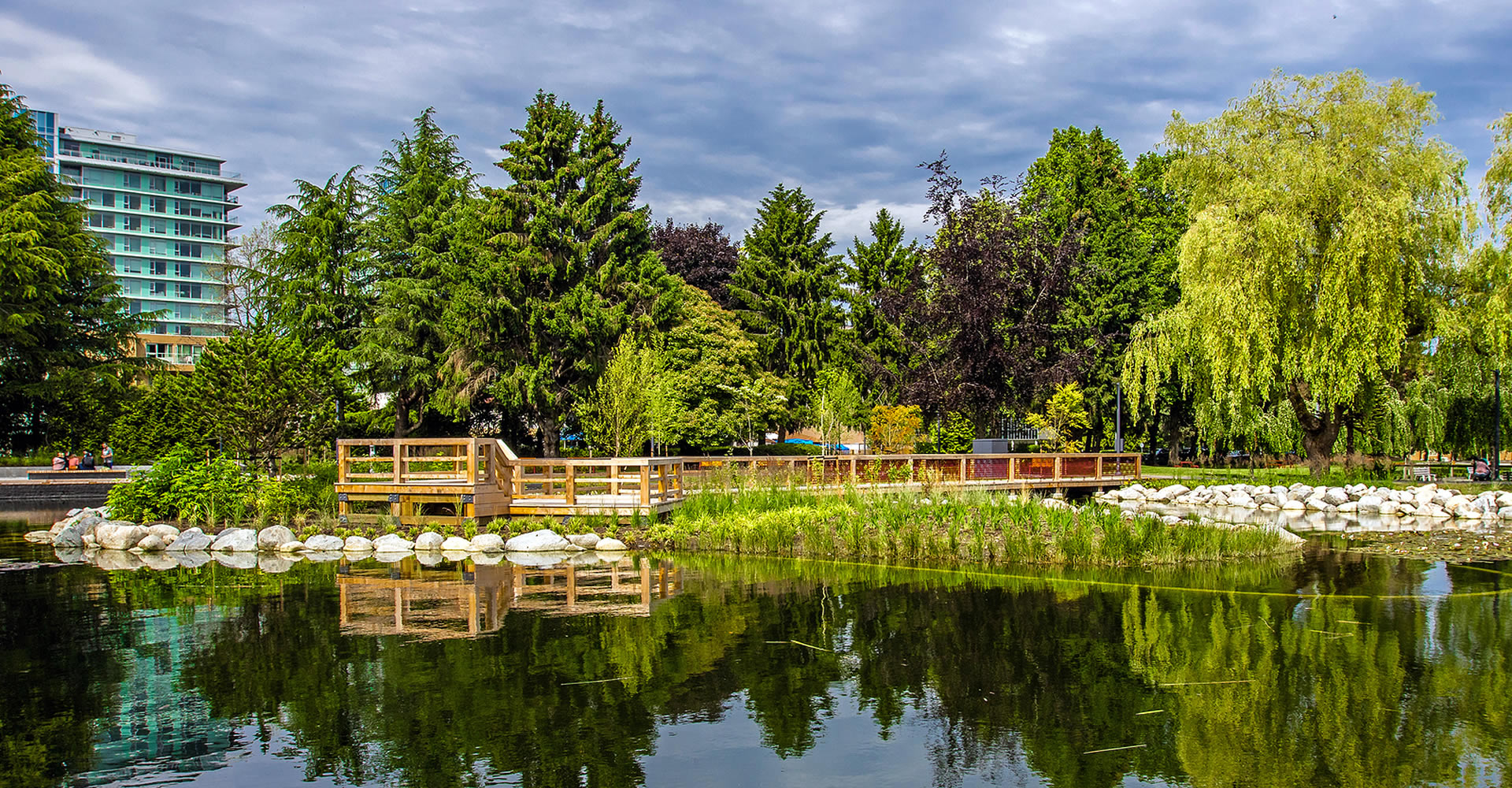

Water quality determines the overall health and sustainability of aquatic ecosystems. The physical, chemical, and biological composition of water affects the environment in which aquatic organisms live. Whether you own a private pond or are in charge of a community lake, it is important to understand the relationship between these two elements. In this post, Aquatic Restoration looks into the intricate relationship between water quality and aquatic ecosystems. Read on to learn more on how you can promote overall diversity and the functionality of aquatic ecosystems.
This is one of the common issues affecting aquatic ecosystems. Excess nitrogen and phosphorus from agricultural runoff fuel explosive algal blooms. As these algae die, their decomposition rapidly depletes dissolved oxygen, creating hypoxic "dead zones" where fish and aquatic organisms suffocate. Be wary of harmful algae, as it can suffocate aquatic ecosystems and produce dangerous toxins. Nutrient pollution requires both immediate treatment options and long-term prevention strategies. Consult with a local lake management company in Georgia when you need help with managing nutrient pollution.
There are many ways chemicals find their way into ponds, lakes, and other water bodies. Heavy metals enter water bodies through stormwater runoff, agricultural pollution, and natural weathering. Pesticides also happen to be a common source of chemical contamination, entering ponds and lakes through surface runoff, groundwater seepage, and spray drift.
These chemicals can damage gills, reduce reproductive success, or bioaccumulate up the food chain. The good news is you can stop contaminants at the source and protect your aquatic ecosystem. When you need professional help, work with a top-rated lake management company. Here are tips on how to prevent chemical contamination in aquatic ecosystems:
Suspended solids block sunlight, stunting the growth of aquatic plants, while warmer water holds less oxygen and increases the metabolic stress of cold-water species. The common causes of turbidity in water bodies include surface runoff, algae blooms, and organic matter. High turbidity prevents aquatic plants from photosynthesizing, clogs the gills of fish, and covers gravel beds, suffocating fish eggs. If you need help with treating turbidity in your pond or lake, get in touch with a company offering retention pond maintenance.
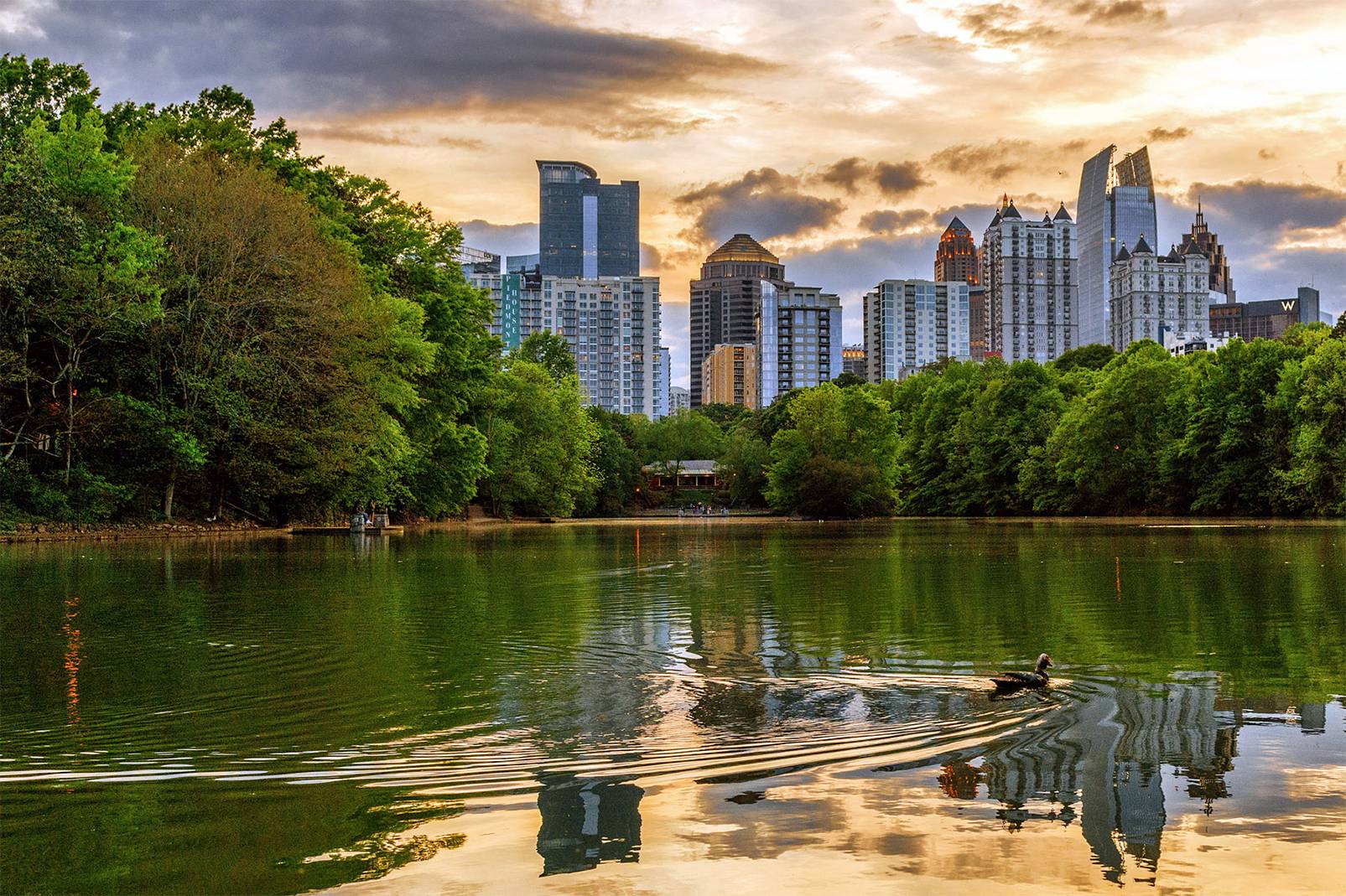
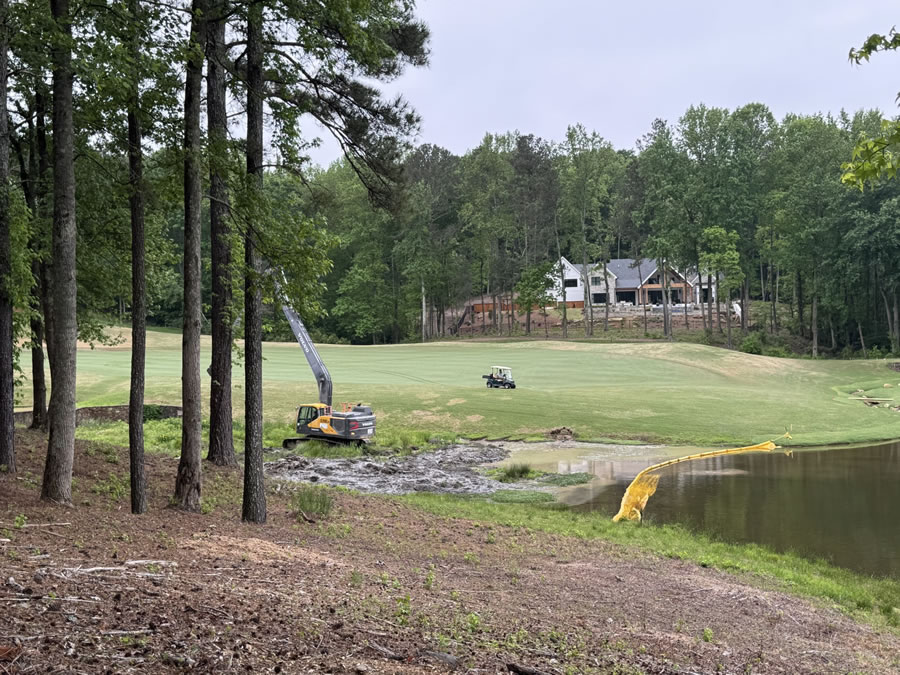
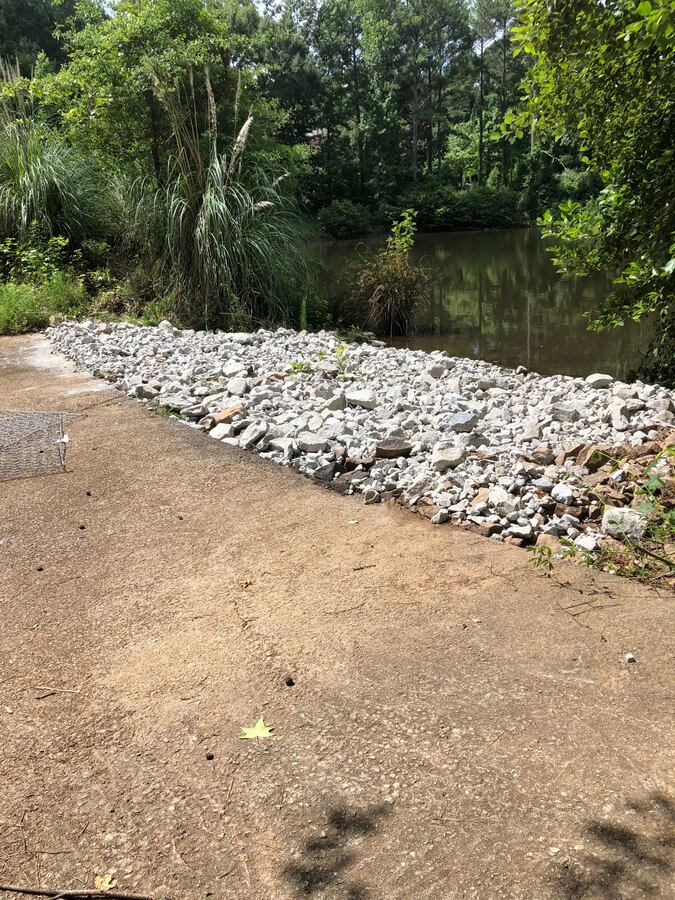
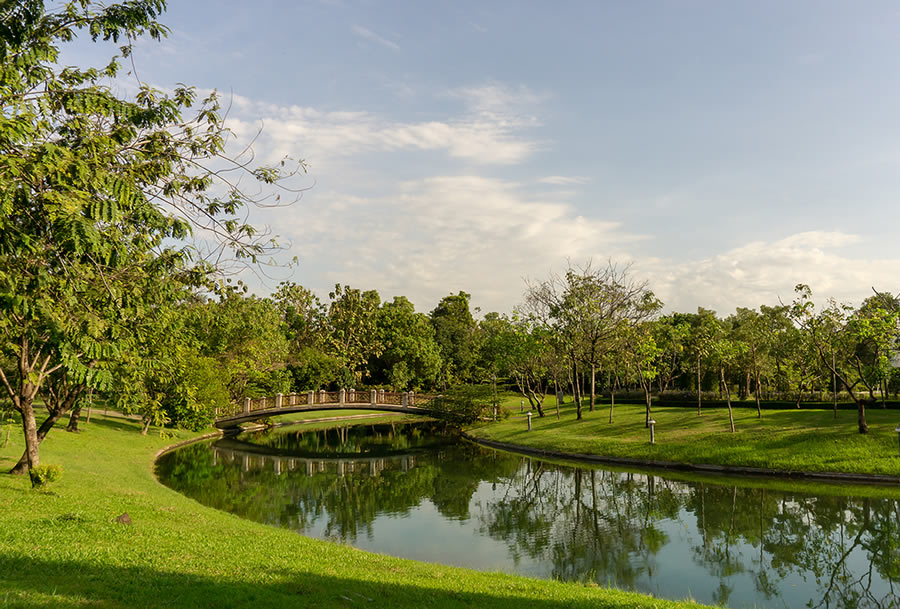
Water temperature is another important factor affecting aquatic ecosystems. Many aquatic species are adapted to specific temperature ranges. Rising temperatures, often linked to climate change, can reduce dissolved oxygen levels and alter species distribution. Sensitive species may migrate, experience stress, or face extinction if temperatures exceed their tolerance limits. Warmer waters can also encourage the growth of harmful algae and invasive species, further threatening ecosystem stability. You may notice low oxygen levels, rapid evaporation, and algae blooms when warm temperature impacts your aquatic ecosystem. Consult with a lake management service provider when you notice any of these signs.
Protecting water quality requires effective lake management strategies. Governments, industries, and communities can work together to reduce pollution, improve wastewater treatment, promote sustainable agricultural practices, and conserve natural habitats. Public awareness and environmental education are also essential in encouraging responsible water use and conservation.
Looking for a trusted company to help you improve water quality? Get in touch with Aquatic Restoration. With over 35 years of experience and a team of seasoned experts, we are committed to helping our clients maintain tiptop aquatic health. From lake dredging and siphon installation to shoreline stabilization and detention pond maintenance, we do it all. Call us now to book a consultation!
Spillways act as safety valves for ponds and lakes. They safely let extra water flow out when heavy rain fills…
Community lakes are often taken for granted until the water turns green, the fish die, and the shoreline starts to…
Retention ponds in HOA communities are important for flood prevention, controlling water flow, and filtering pollutants. When detention ponds…
Lakes naturally accumulate sediment over time due to stormwater runoff, shoreline erosion, and the decay of aquatic plants. Without…

Retention ponds are vital to managing stormwater and preventing flooding. Found in suburban neighborhoods, HOAs, roadsides, public parks, and commercial…