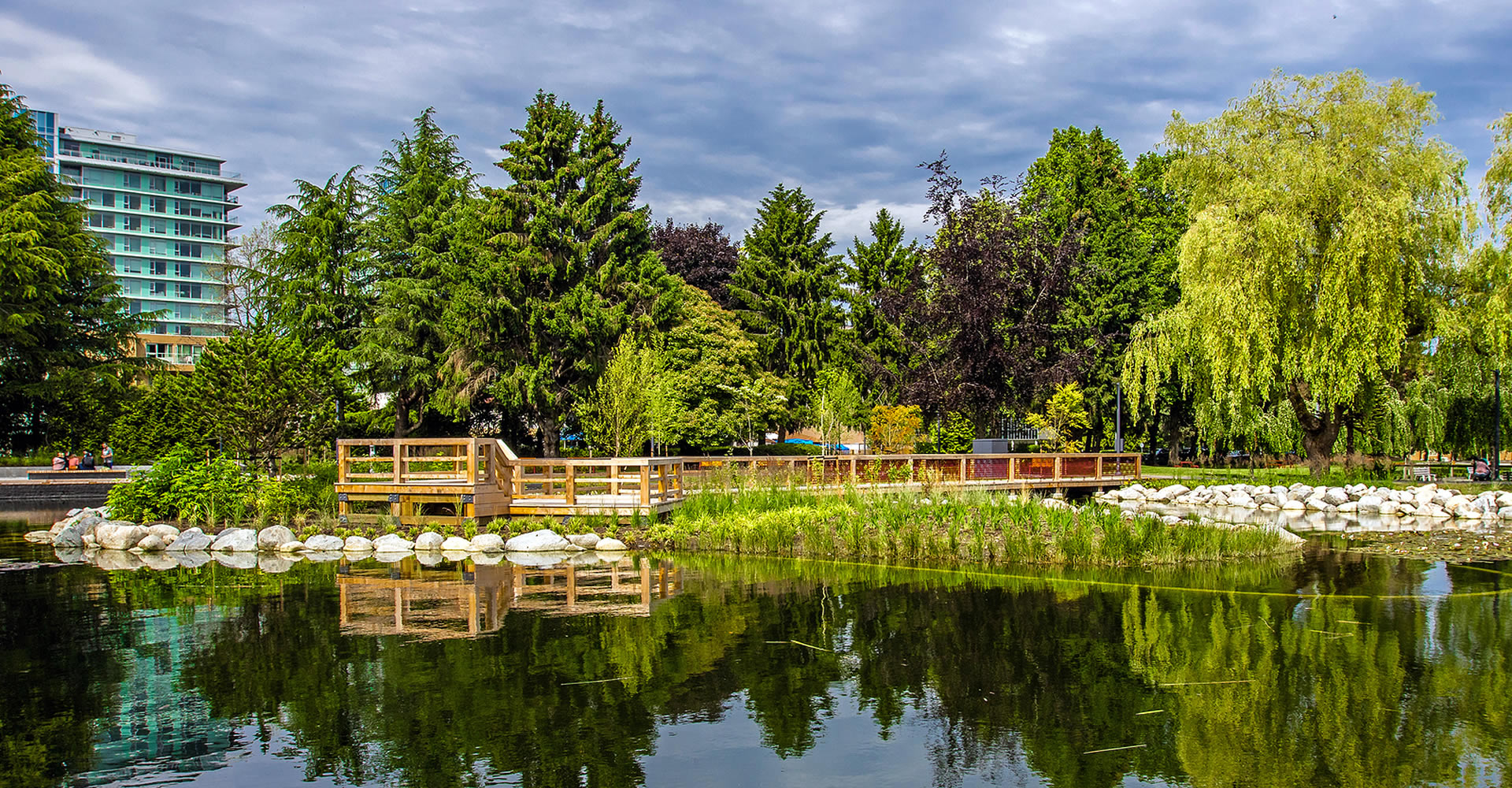
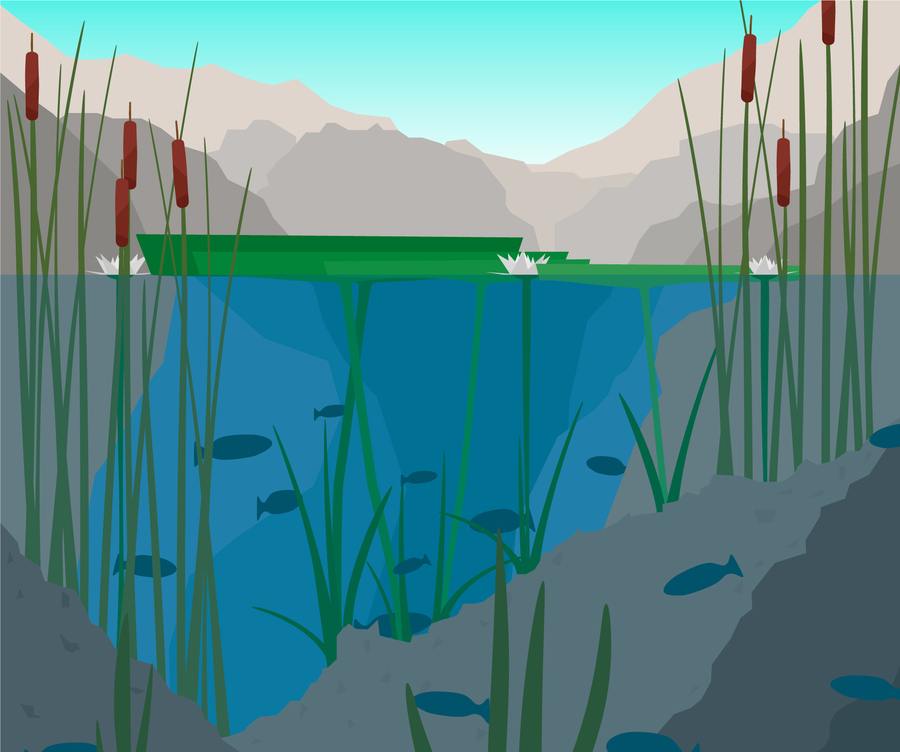
Your pond might look like a simple body of water, but it’s bustling with life beneath the surface. Fish, plants, and beneficial bacteria all work together to create a balanced ecosystem. Just like us, these creatures and organisms need oxygen to thrive. In fact, aeration can make the difference between a healthy, clear pond and a murky, algae-covered one.
While aerating is beneficial year-round, fall is actually the ideal season to start. In this brief article brought to you by Aquatic Restoration, we drive our point home. If you’d rather consult with pond maintenance professionals, then call Aquatic Restoration to schedule an appointment.
As temperatures drop in the fall, pond water undergoes a natural process called turnover. What’s pond turnover?
Ponds often have layers of water at different temperatures. During the summer, warmer water sits on top and cooler, oxygen-poor water lies near the bottom. When fall arrives, the cooler temperatures cause the top layer to chill and sink into the lower layer. This “turnover” can release a burst of toxins and nutrients trapped at the pond’s bottom.
Aeration can help prevent or manage fall turnover by continuously mixing the water. By keeping oxygen levels balanced throughout the pond, an aerator reduces the chances of a harmful nutrient release.


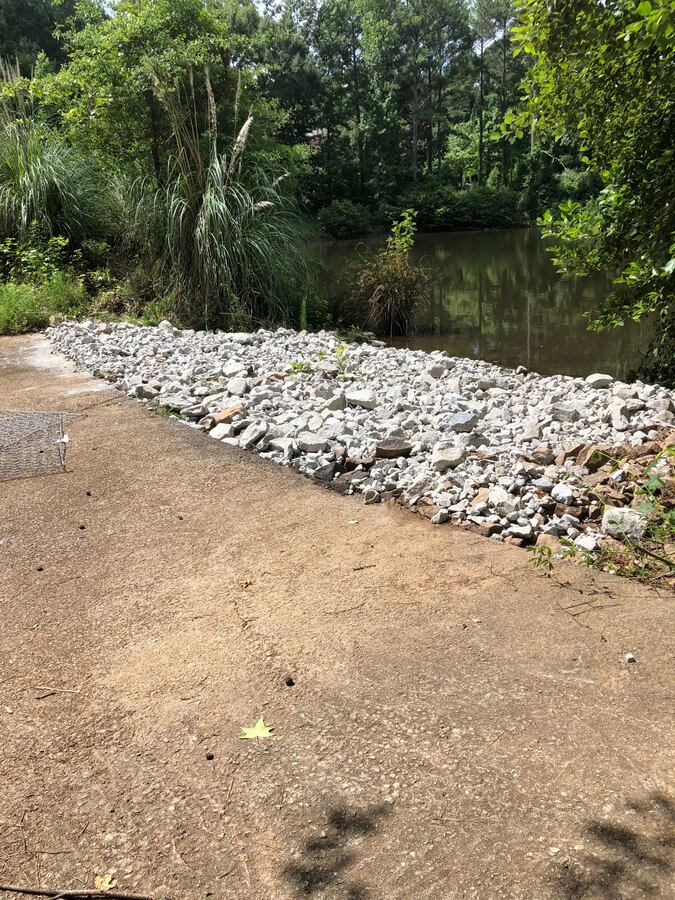
Algae growth often accelerates in warmer months thanks to excess nutrients, especially if they’ve been sitting all winter. Fall aeration can help control algae growth by supporting beneficial bacteria. These aerobic bacteria help break down organic matter and nutrients which are the “fuel” that algae needs to grow. Less nutrition for algae means less algae.
As organic material like leaves, fish waste, and plant matter decomposes at the bottom of your pond, it creates a layer of sludge and releases gases like ammonia and hydrogen sulfide. These gases not only create unpleasant odors but can also harm fish and plants if allowed to accumulate.
Fall aeration helps to minimize sludge buildup by introducing oxygen to the bottom layers of the pond. This oxygen supports the aerobic bacteria in breaking down the sludge and converting it into harmless substances.
Aeration is especially beneficial in fall as it helps prepare fish in your pond for the cold months ahead. Fish need higher oxygen levels in cooler water to support their metabolism and stay healthy as they enter their slower, winter state. When oxygen levels dip too low, fish become stressed and more vulnerable to disease and other winter-related challenges.
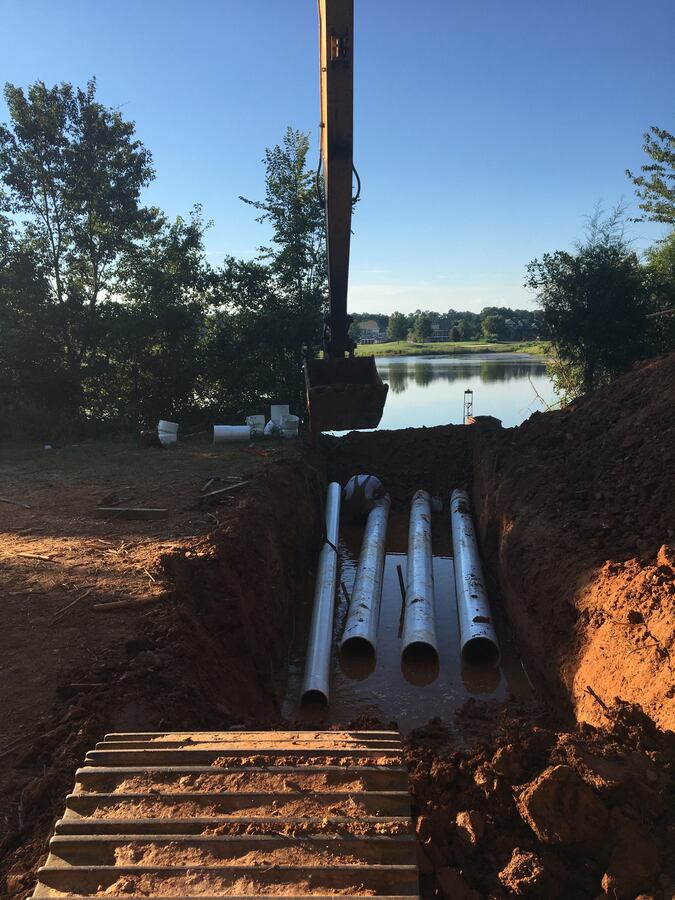
There are different types of pond aerators, and choosing the right one for fall and winter is crucial. Bottom diffused aerators are particularly effective, but a surface aerator or fountain can be effective for shallow ponds.
If you need help selecting the right aeration system, or want to hire professionals to handle your retention pond maintenance, then consider Aquatic Restoration. Our uniformed specialists are here to take your call or message today.
Spillways act as safety valves for ponds and lakes. They safely let extra water flow out when heavy rain fills…
Community lakes are often taken for granted until the water turns green, the fish die, and the shoreline starts to…
Retention ponds in HOA communities are important for flood prevention, controlling water flow, and filtering pollutants. When detention ponds…

Lakes naturally accumulate sediment over time due to stormwater runoff, shoreline erosion, and the decay of aquatic plants. Without…

Retention ponds are vital to managing stormwater and preventing flooding. Found in suburban neighborhoods, HOAs, roadsides, public parks, and commercial…