blog-detail1

We're not the only ones to depend on oxygen. Aeration, or introducing air into water, is a core part of pond and lake maintenance. In this brief article brought to you by Aquatic Restoration, we highlight the benefits of aeration and its impact on water quality, aquatic life, and overall pond or lake management.

If you are looking for a reputable pond maintenance company, then call Aquatic Restoration to hire uniformed professionals with decades of industry experience and heritage. We serve everything from lake dredging to retention pond maintenance. Our team is on standby to address any questions or concerns you may have regarding your pond or lake.

Understanding Aeration

At its core, aeration involves the circulation and oxygenation of water in order to improve its quality and create a healthier environment for aquatic organisms. There are various methods of aeration, including diffused aeration, surface aeration, and fountain aeration, each tailored to specific needs and characteristics of the water body.

The professionals at Aquatic Restoration can customize a maintenance program that addresses your water body’s particular needs and characteristics. Call or message us to consult with a member of our team today.

Just Some of the Benefits of Aeration

There are countless direct and indirect benefits of aeration, but we want to highlight some of the most prominent and substantial.


blog-detail2

Our Services

Retention Pond Maintenance

Retention Pond Maintenance

A retention pond or detention pond stands as a silent protector against the flood of stormwater, safeguarding our communities from…

Lake Management

Lake Management

Water has always held a special allure. Whether for their beauty, recreational activities, or essential needs, lakes play a critical…

Siphon Installation

Siphon Installation

A serene lake, tranquil pond, or vital wetland are the jewels of our communities, but what happens when they start…

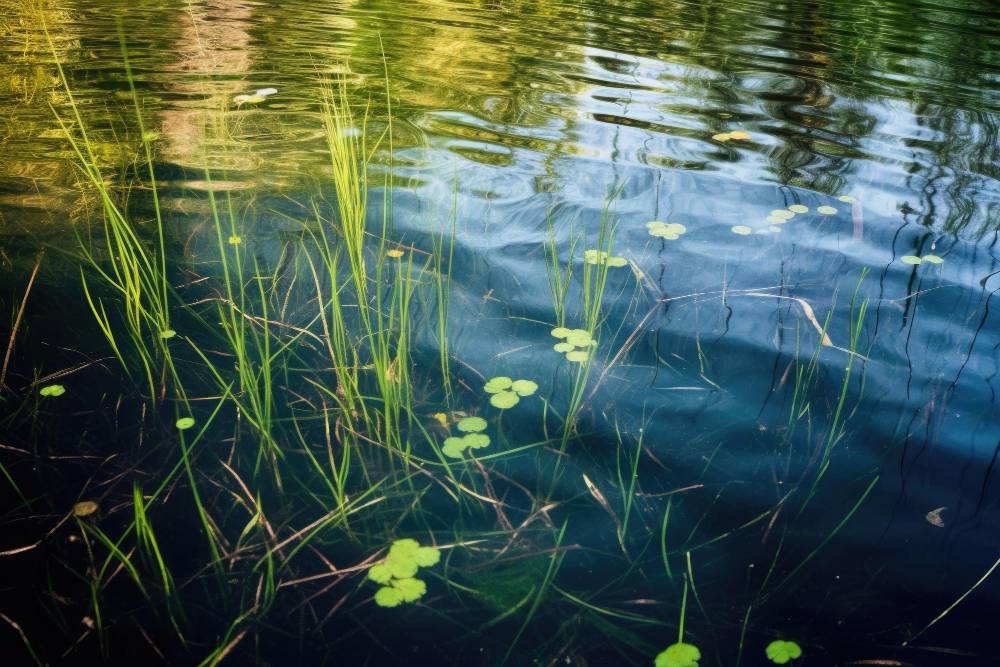
  • OXYGENATION: The primary benefit of aeration is oxygenation of the water. By introducing air into the water column, aeration increases dissolved oxygen levels, which are essential for the survival of fish, plants, and beneficial bacteria. Adequate oxygenation is especially important in warm weather or densely populated ponds.
  • REDUCING STRATIFICATION: Aeration also helps improve water quality by reducing stratification and stagnation. Stratification occurs when water layers separate based on temperature and oxygen levels, leading to nutrient buildup and anaerobic conditions in the lower layers. Stagnation can result in unwanted aquatic growth.
  • FISH HEALTH AND HABITAT: Fish rely on dissolved oxygen for respiration, metabolism, and overall well-being. Aeration creates oxygen-rich zones throughout the water column, providing refuge for fish during periods of low oxygen or thermal stratification. It also enhances habitat diversity by maintaining oxygen levels in deeper areas.
  • HELPING GOOD BACTERIA: Aeration supports the activity of beneficial bacteria that play a vital role in natural water purification. These bacteria break down organic matter like fish waste and decaying plant material into harmless byproducts. Improved oxygen levels from aeration enhance bacterial activity, leading to cleaner water and reduced nutrient buildup.

Choosing the Right Aeration System

Common aeration systems include diffused aeration, surface aeration, and fountain aeration. Selecting the appropriate aeration system depends on factors such as pond size, depth, shape, water quality goals, and budget.

The professionals at Aquatic Restoration are familiar with the many types of aeration systems, and we are happy to help you choose the right one for your property and take care of the installation. Call Aquatic Restoration today to consult with a member of our team and schedule a face-to-face meeting or on-site visit for as soon as possible.

13 / May / 2024

Recent Blog Posts

5 Warning Signs Your Retention Pond Is Failing And How to Catch Them Early

5 Warning Signs Your Retention Pond Is Failing And How to Catch Them Early

Retention ponds help manage stormwater runoff, reduce flooding, and capture sediment before it reaches nearby waterways. However, retention pond maintenance…

16
Oct
Retention Pond vs. Detention Basin: What’s the Difference and How Do You Maintain Them?

Retention Pond vs. Detention Basin: What’s the Difference and How Do You Maintain Them?

Stormwater management is an essential part of controlling rainwater runoff and protecting natural ecosystems. There are two options that often…

12
Oct
Is Your Lake Shrinking? Signs It’s Time to Consider Dredging

Is Your Lake Shrinking? Signs It’s Time to Consider Dredging

Dredging is an integral part of preserving a lake’s natural balance. Removing accumulated sand, silt, mud, and decaying organic debris…

02
Oct
5 Signs Your Retention Pond Is Turning Into an Environmental Liability

5 Signs Your Retention Pond Is Turning Into an Environmental Liability

A retention pond may become an environmental liability when it develops excessive algae, accumulates heavy sediment, suffers shoreline erosion,…

25
Sep
Proactive Lake Management: How Diffused Aeration and Fountains Prevent Expensive Dredging

Proactive Lake Management: How Diffused Aeration and Fountains Prevent Expensive Dredging

Dredging removes accumulated sediment, muck, sludge, and decaying organic debris from the bottom of a water body. This process is…

17
Sep