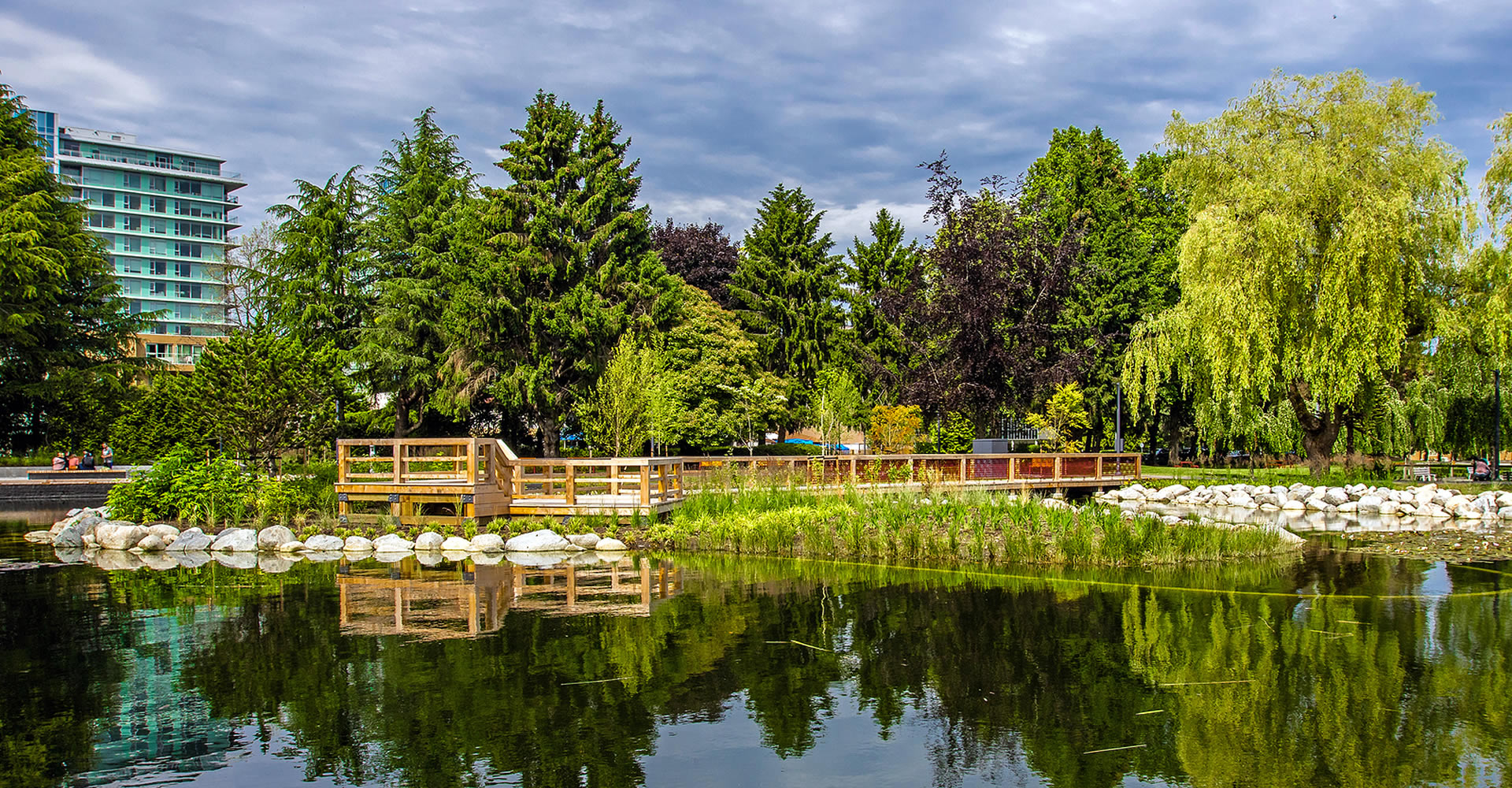
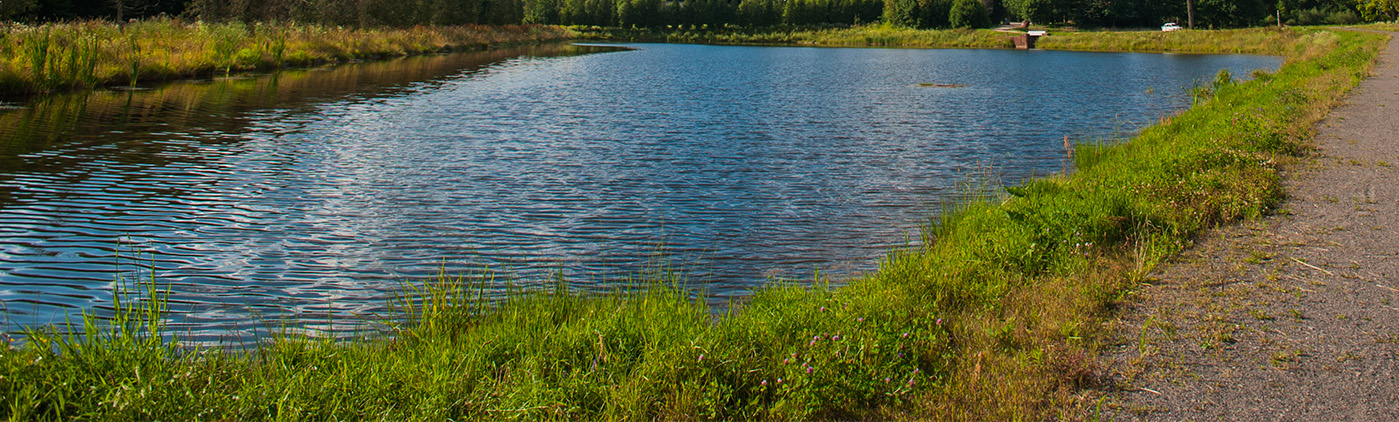
Picture a serene lake with sparkling water, lush greenery along the shoreline, and fish darting below the surface. Now imagine murky water, invasive weeds choking the edges, and algae spreading like a green carpet. If your lake or pond is looking more like the second scenario, then it’s time to consider lake restoration.
Restoration doesn’t just bring back aesthetic beauty; it improves the health of the ecosystem and ensures your waterbody thrives for years to come. In this brief article brough to you by Aquatic Restoration, we explore the what, why, and how of lake and pond restoration.
If you’d like to have trained and experienced lake and pond maintenance professionals in Lawrenceville, GA take care of your waterbody, then call Aquatic Restoration to get started with a consultation.
Lake and pond restoration involves improving the physical, chemical, and biological health of a waterbody. Unlike maintenance, which focuses on routine care to keep a pond or lake in good condition, restoration aims to tackle deeper issues that have developed over time.
Restoration techniques range from simple DIY solutions to advanced professional interventions, depending on the severity of the problem. Common restoration goals include:
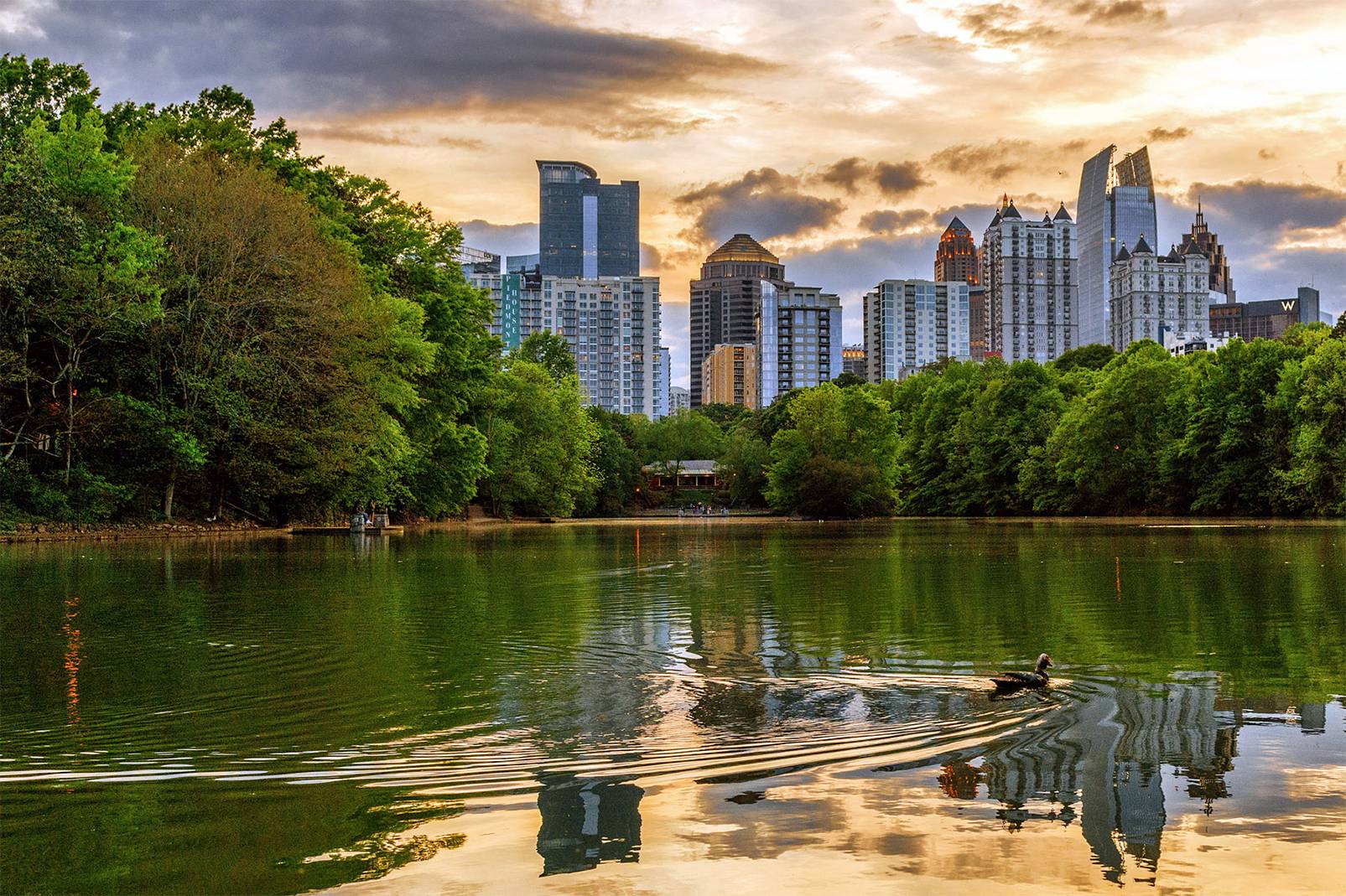
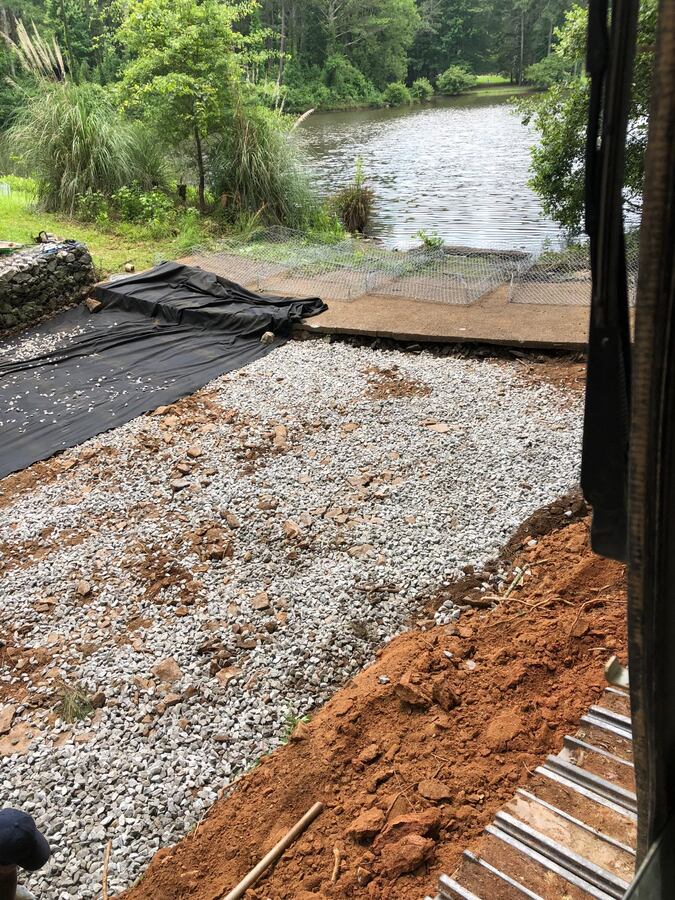
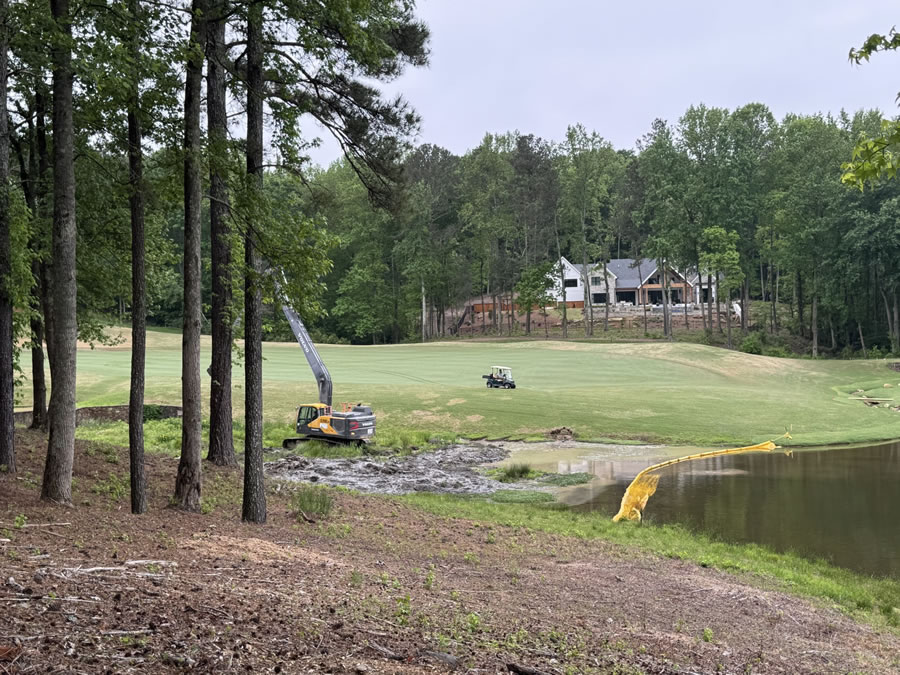
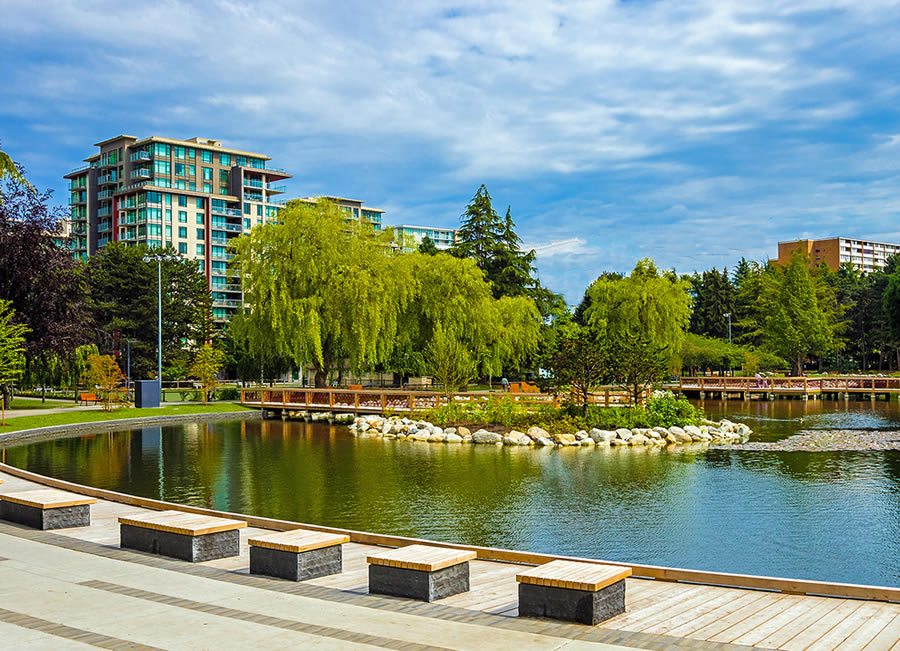
Even if a lake or pond appears “natural,” its health might be compromised due to human activity or environmental factors. Restoration is often necessary to reverse damage caused by nutrient pollution, sedimentation, erosion, invasive species, and aesthetic decline.
These issues can fuel algae and weed overgrowth, smother native species of plants and fish, and produce an unsightly scene. Without intervention, these problems can lead to a degraded ecosystem and reduced property value.
There’s no one-size-fits-all approach to lake restoration. Each project should be tailored to the specific issues affecting your waterbody. With that said, here are some common approaches:
For severe issues, it is always advisable to consult a lake or pond management company. Companies like Aquatic Restoration offer advanced solutions such as sonar mapping to assess sediment levels, applying eco-friendly treatments for algae control, or developing long-term management plans.
Don’t let your lake’s or pond’s potential go to waste – restore it to its former glory and enjoy the benefits for years to come! Once your lake or pond is restored, ongoing care is essential to keep it healthy. Regular lake or retention pond maintenance (such as aeration, debris removal, and water testing) can prevent issues from reoccurring. Call Aquatic Restoration to consult with professionals today.
Spillways act as safety valves for ponds and lakes. They safely let extra water flow out when heavy rain fills…
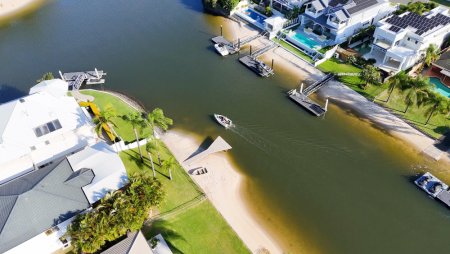
Community lakes are often taken for granted until the water turns green, the fish die, and the shoreline starts to…
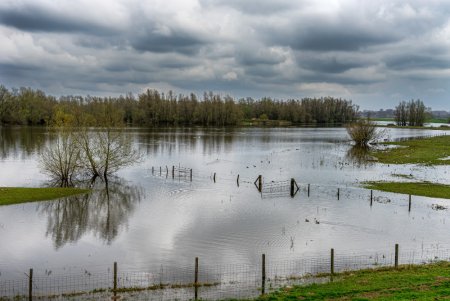
Retention ponds in HOA communities are important for flood prevention, controlling water flow, and filtering pollutants. When detention ponds…
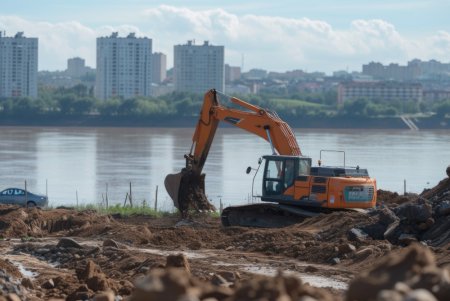
Lakes naturally accumulate sediment over time due to stormwater runoff, shoreline erosion, and the decay of aquatic plants. Without…

Retention ponds are vital to managing stormwater and preventing flooding. Found in suburban neighborhoods, HOAs, roadsides, public parks, and commercial…