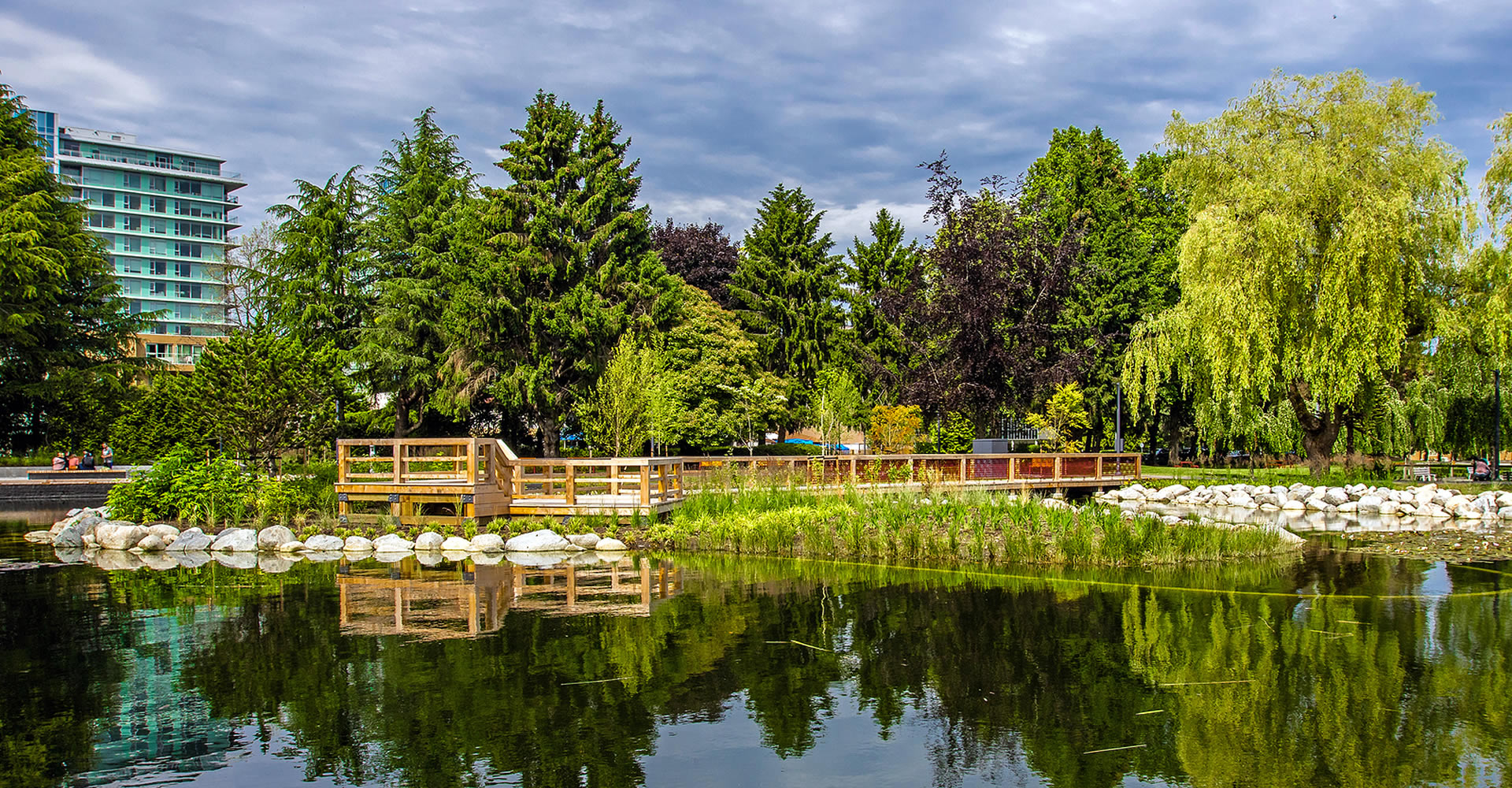
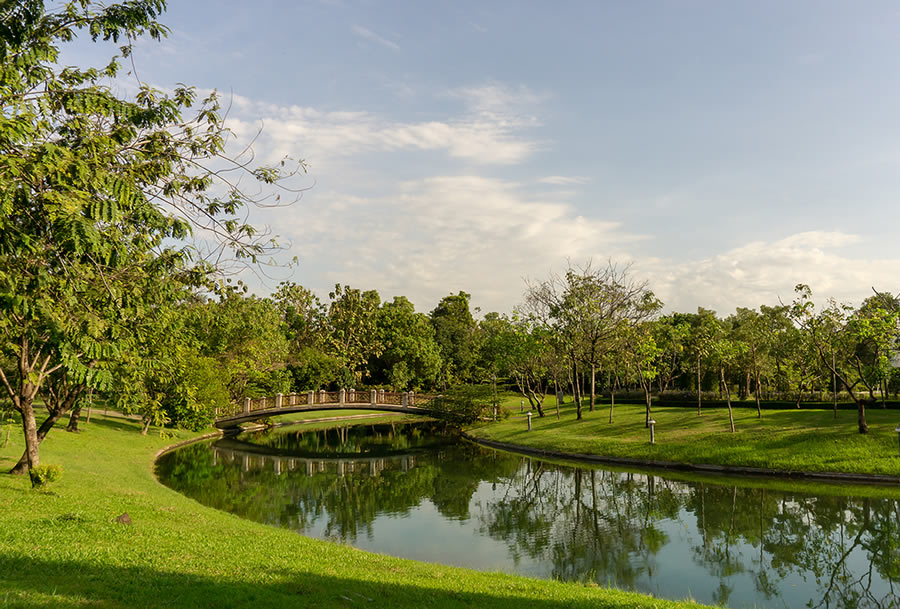
A lake or pond can be the centerpiece of a marvelous landscape, but they can also be a rancid eyesore. Whether you have a recreational lake or retention pond, an ongoing lake or pond maintenance plan can help keep your water quality healthy and safe for aquatic life and the stakeholders who rely on it.
In this short article brought to you by Aquatic Restoration, we dip our feet in the basics of pond and lake cleaning. This is not a comprehensive guide, but you are always welcomed to call Aquatic Restoration with any questions or concerns you may have. Our team is on standby to take your call or message today.
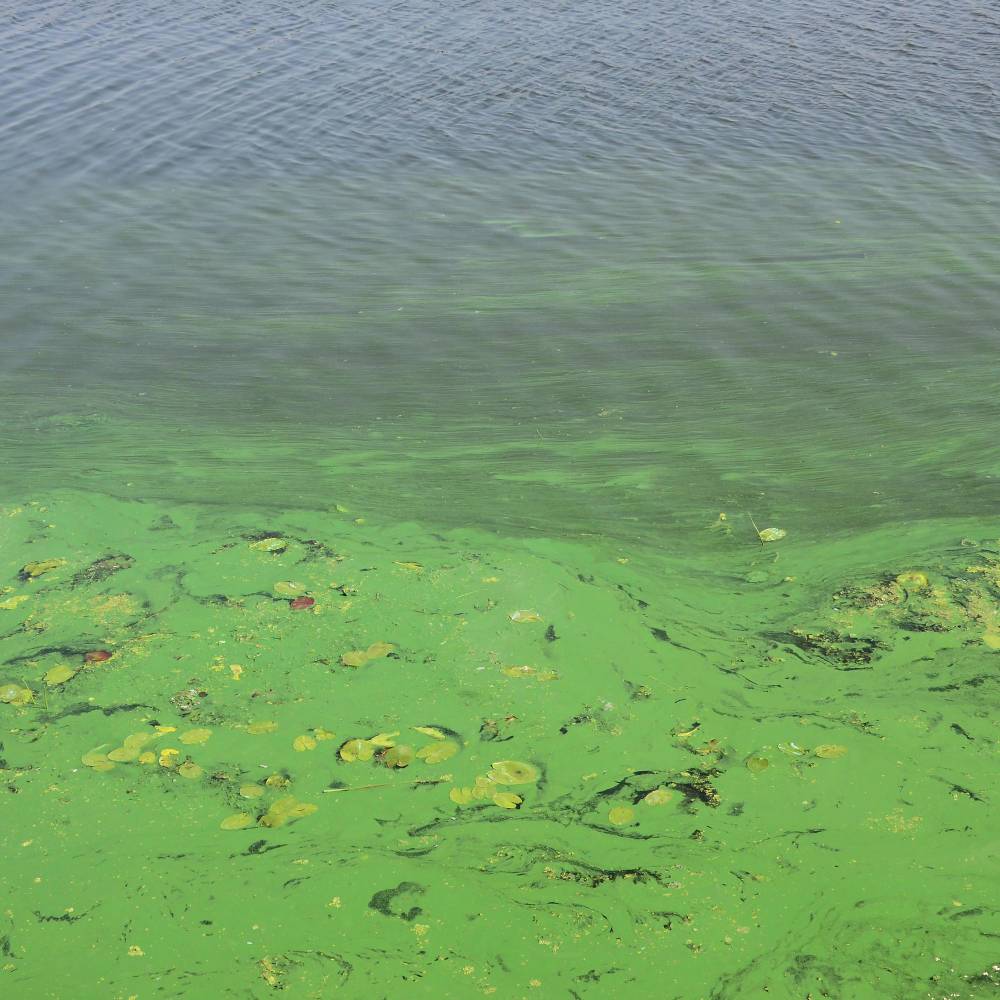
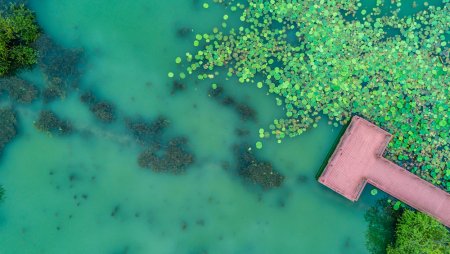
Over time, lakes and ponds accumulate organic matter such as leaves, grass clippings, and other debris. This buildup can lead to nutrient overloads, particularly nitrogen and phosphorus, which promote the growth of algae and invasive aquatic plants. Excessive algae blooms can deplete oxygen levels in the water, harming fish and other aquatic organisms in the process.
Additionally, stagnant and nutrient-rich water can become a breeding ground for mosquitoes. This not only makes the area uninviting but can also expose you to health risks.
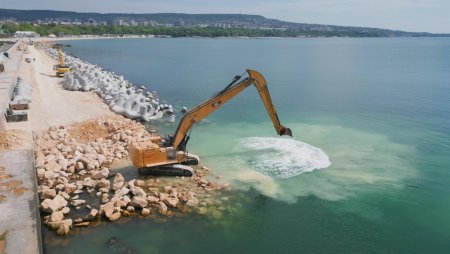
Regularly removing organic debris is the first step in maintaining a healthy lake. This can be done manually or with specialized equipment. Removing debris prevents it from decomposing and releasing nutrients into the water, which can fuel algae growth.


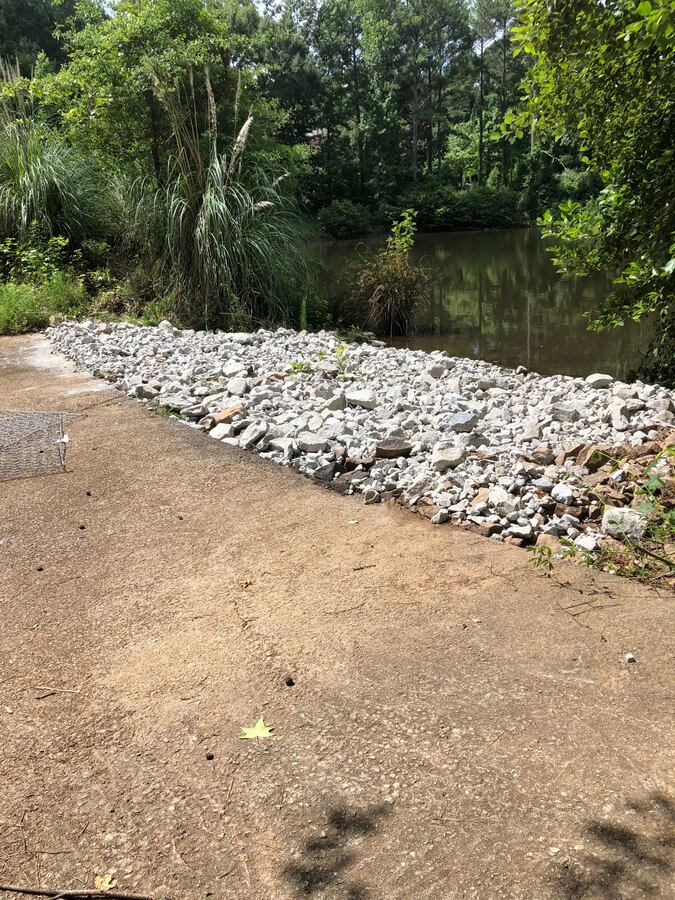
Aeration is another critical step. Aerators increase the oxygen content in the water, which supports aquatic life and helps properly break down organic matter. There are two main types of aerators: surface aerators, which create movement on the water's surface, and subsurface aerators, which pump air into the bottom of the lake.
While removing debris and introducing oxygen to the water helps, specifically managing nutrient levels is essential to preventing algae blooms. This can involve reducing external nutrient inputs by minimizing the use of fertilizers near the water and installing buffer strips of vegetation around the lake to absorb excess nutrients.
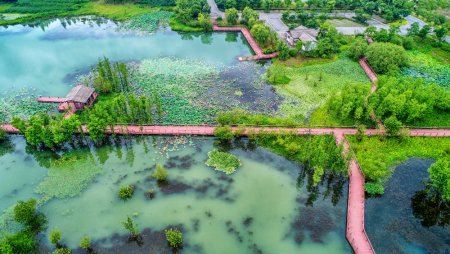
Aquatic plant management is also essential. It hurts to say you may also need to remove existing ones. Mechanical removal and herbicides can be effective strategies. It’s important to monitor and manage the growth of these plants to maintain a balanced ecosystem.
Finally, keep your eye on things. Regular testing for parameters such as pH, nutrient levels, and dissolved oxygen can help identify potential problems early and guide management decisions.
While property owners can hand basic lake cleaning, professional lake and pond maintenance services are more comprehensive and effective. Trained and experienced professionals can ensure the long-term health and beauty of your water body.
While there is an upfront cost to hiring professionals for retention pond maintenance, their expertise can prevent costly problems down the line. Our specialists have the experience, expertise, and equipment to ensure a pristine aquatic environment that enhances your landscape and provides a safe, healthy habitat for aquatic life.
Call Aquatic Restoration to speak with a member of our team today. We are happy to arrange a face-to-face consultation or an on-site visit for as soon as possible.
.webp)
When was the last time you had a specialist inspect your lake or pond? You probably do not remember because…

Water quality determines the overall health and sustainability of aquatic ecosystems. The physical, chemical, and biological composition of water…
Excessive plant growth is bad news for your lake. It may not seem like a serious issue until the water…
Lakes and ponds accumulate sediment, sludge, and accumulated organic debris at the bottom, leading to deteriorating water quality, oxygen depletion,…
Have you ever wondered why algae blooms often get worse during summer months? Warm temperatures, extra sunlight, and nutrient availability…