
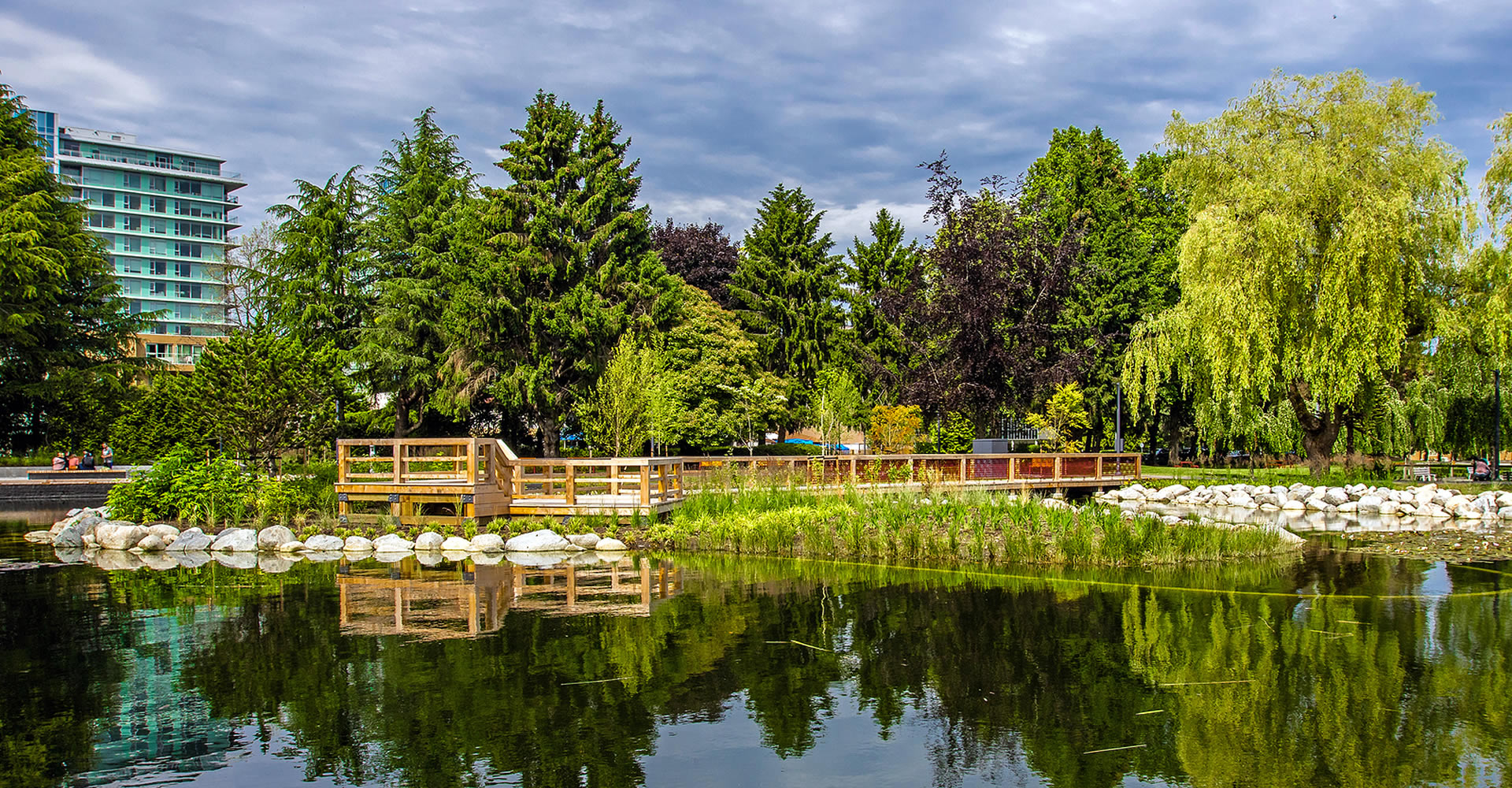
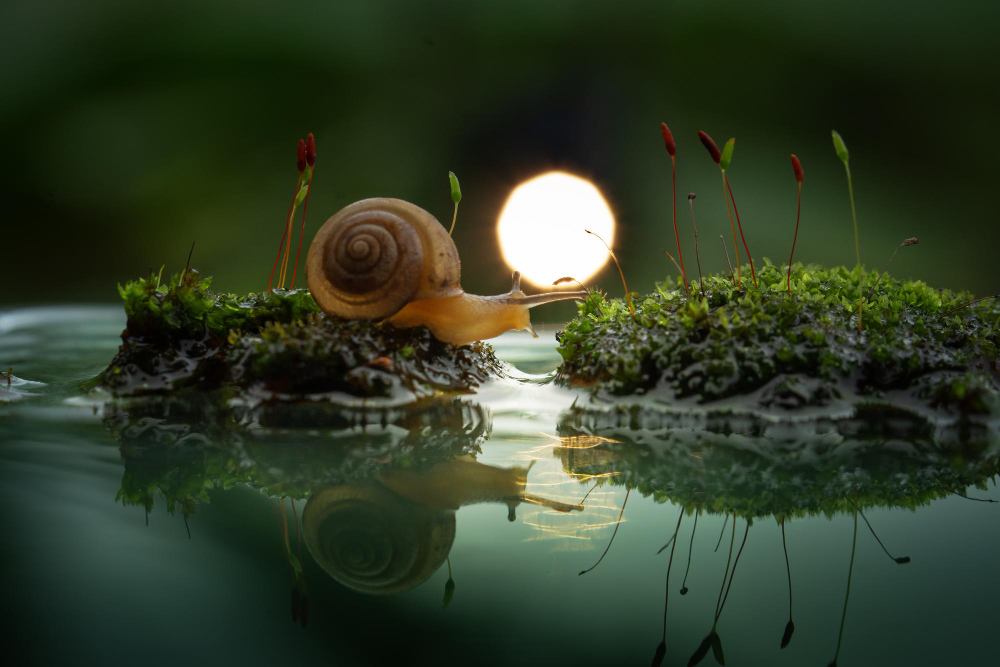
Is your tranquil pond turning into a haven for pesky pond snails? These tiny creatures may seem harmless at first, but their rapid reproduction and voracious appetite can quickly lead to a takeover of your beloved water feature.
In this brief article brough to you by Aquatic Restoration, we'll look into why snails take over ponds, the havoc they can wreak, and effective methods to get rid of them.
If you want to ensure your pond remains a serene and balanced ecosystem, then consider hiring pond maintenance professionals from Aquatic Restoration. With over 35 years of industry experience, we have the expertise to restore order.
Pond snails are prolific breeders, capable of laying hundreds of eggs in a short period of time. Their population explosion is often triggered by favorable conditions such as ample food supply, mild temperatures, and stagnant water.
More specifically, overfeeding your fish, excess organic matter in the area, and inadequate filtration can create an ideal environment for snail proliferation. Additionally, snails can hitchhike into ponds through plants, rocks, or even on the feathers of visiting birds.

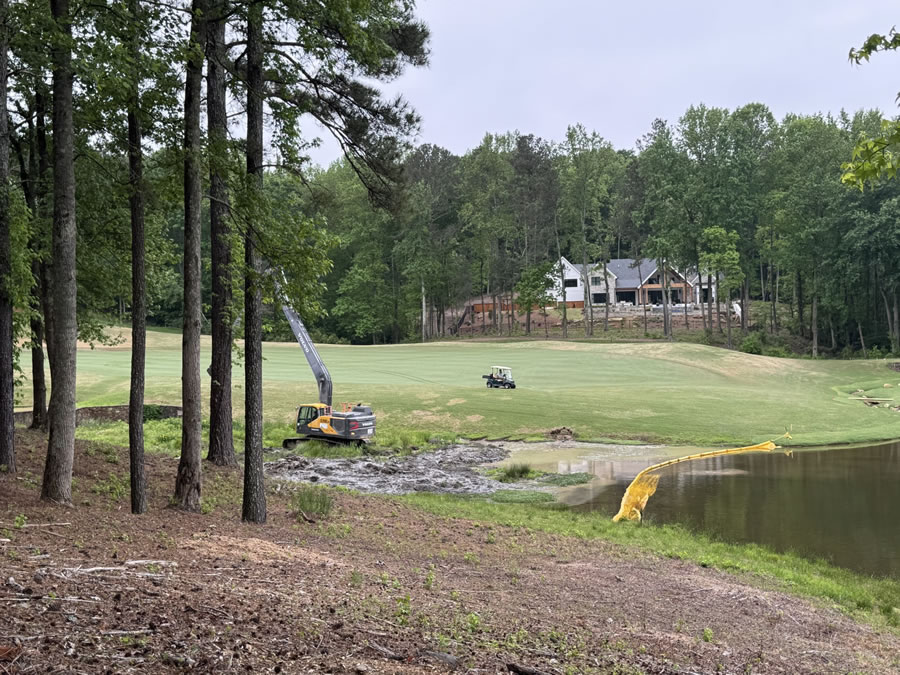
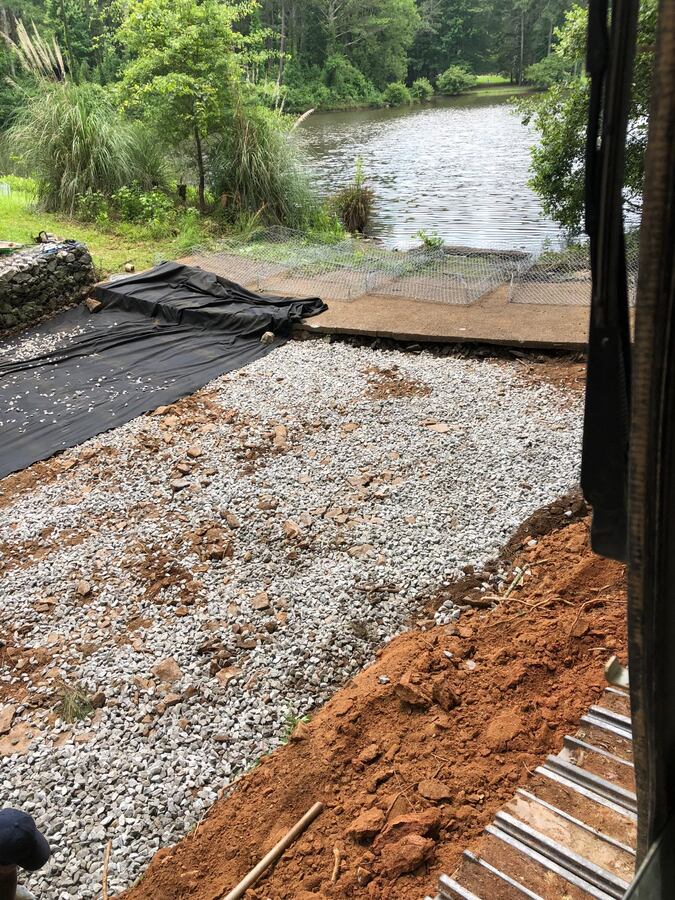
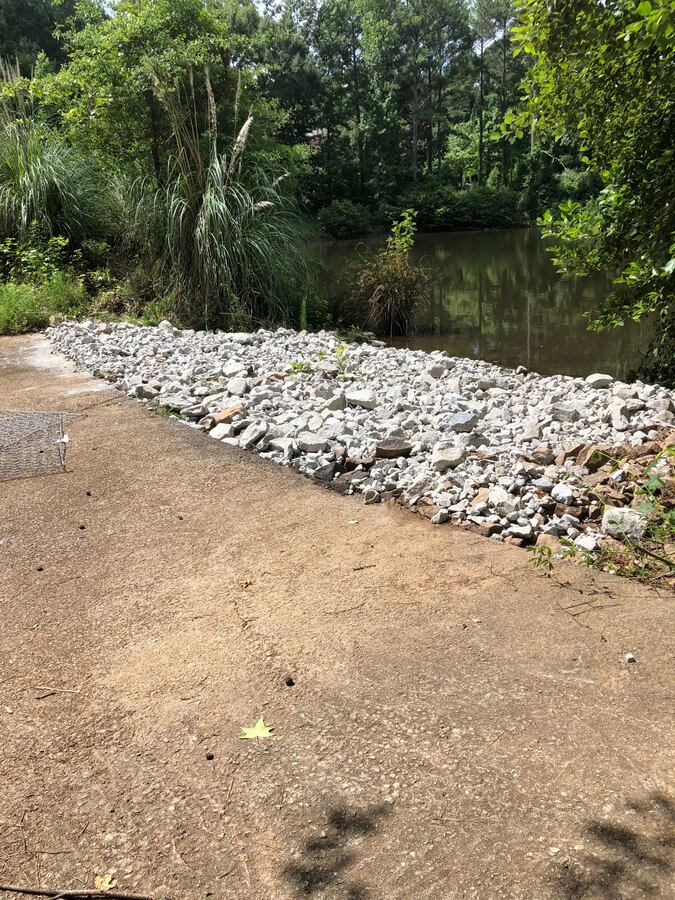
While snails may seem innocuous, their unchecked population growth can have detrimental effects on your pond's ecosystem.
They consume algae, decaying plant matter, and uneaten fish food, which initially appears beneficial. However, as their numbers soar, they outcompete native species for food and space, leading to imbalances in the pond's ecological equilibrium.
Excessive snail populations can also clog filters, pipes, and pumps, thereby reducing water flow and compromising water quality.
There are a number of ways to tackle the problem of snails in your pond. Begin by manually removing visible snails using a net or by handpicking them. This method is labor-intensive but effective for reducing immediate populations.
Introducing natural predators like certain fish species (e.g., loaches, goldfish, and koi) or ducks can help control snail populations. However, be cautious not to disrupt the pond's balance by introducing non-native species.
You can also install physical barriers such as fine mesh screens or netting to prevent snails from entering specific areas of the pond or accessing sensitive plants. This can cut off their source of sustenance.
For more complete results, you can use snail-specific treatments like copper-based products or snail control pellets. Follow dosage instructions carefully to avoid harming other aquatic life. Further, consider using biological controls such as bacterial additives that target snail eggs or predatory nematodes that feed on snail larvae.
Finally, it’s imperative that you address underlying issues such as overfeeding, excess organic debris, and poor filtration to create an environment less conducive to snail proliferation.
Pond snails may be small, but their rapid multiplication can turn your serene oasis into a snail-infested nightmare. By understanding why snails take over ponds, recognizing the havoc they can wreak, and implementing effective removal methods, you can regain control of your pond's ecosystem and ensure a healthy and balanced aquatic environment for years to come.
If you’d rather hire detention and retention pond maintenance professionals, then call the time-tested specialists at Aquatic Restoration. Our team is on standby to take your call or message today.
Spillways act as safety valves for ponds and lakes. They safely let extra water flow out when heavy rain fills…
Community lakes are often taken for granted until the water turns green, the fish die, and the shoreline starts to…
Retention ponds in HOA communities are important for flood prevention, controlling water flow, and filtering pollutants. When detention ponds…
Lakes naturally accumulate sediment over time due to stormwater runoff, shoreline erosion, and the decay of aquatic plants. Without…

Retention ponds are vital to managing stormwater and preventing flooding. Found in suburban neighborhoods, HOAs, roadsides, public parks, and commercial…