
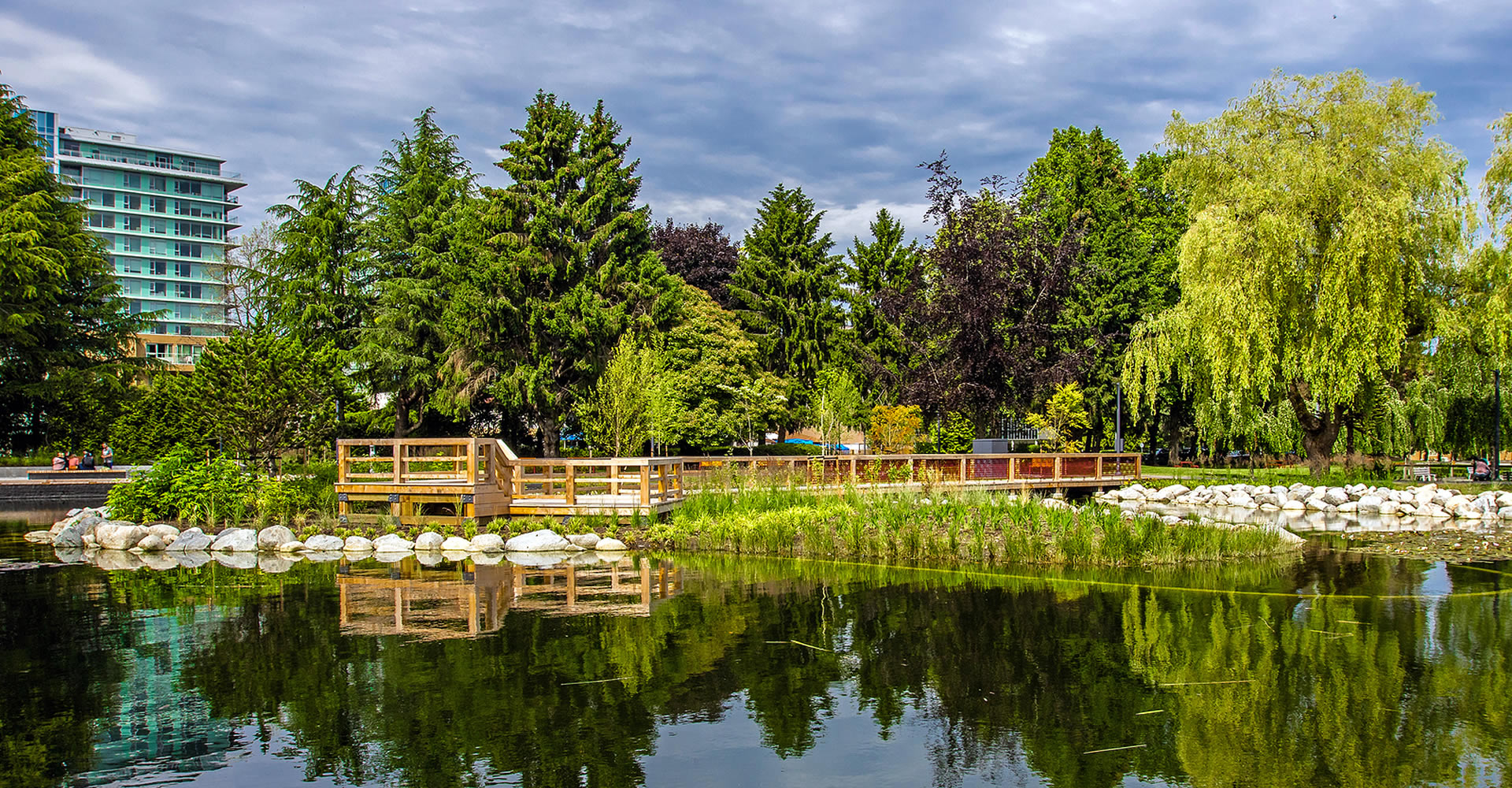
The shoreline of your lake or pond is as important as the water itself. Sadly, erosion can tear away at the shoreline and remove large amounts of soil and dirt from the shoreline and into the water. This can cause the bank to slump, the water to muddy, and the system to lose balance.
In this brief article brought to you by the pond maintenance professionals at Aquatic Restoration, we share some tips on preventing lake and pond erosion. We also tell you about ways to remedy the damage.
If you’d rather consult with a lake or retention pond maintenance specialist directly, then call Aquatic Restoration to schedule a convenient appointment. We’re happy to arrange a face-to-face meeting or on-site visit for as soon as possible.
Erosion is a natural process where wind, water, or human activity will displace soil. While some level of erosion is inevitable, excessive erosion can harm your pond or lake by introducing too much sediment, reducing water clarity, and disrupting habitats.
The most common causes of erosion are wave action and rainfall. When waves caused by wind or boats hit the shoreline, they loosen the soil and carry it away. Rainfall runoff, meanwhile, washes away sediment down slopes. Waves pull and runoff pushes soil into the water.
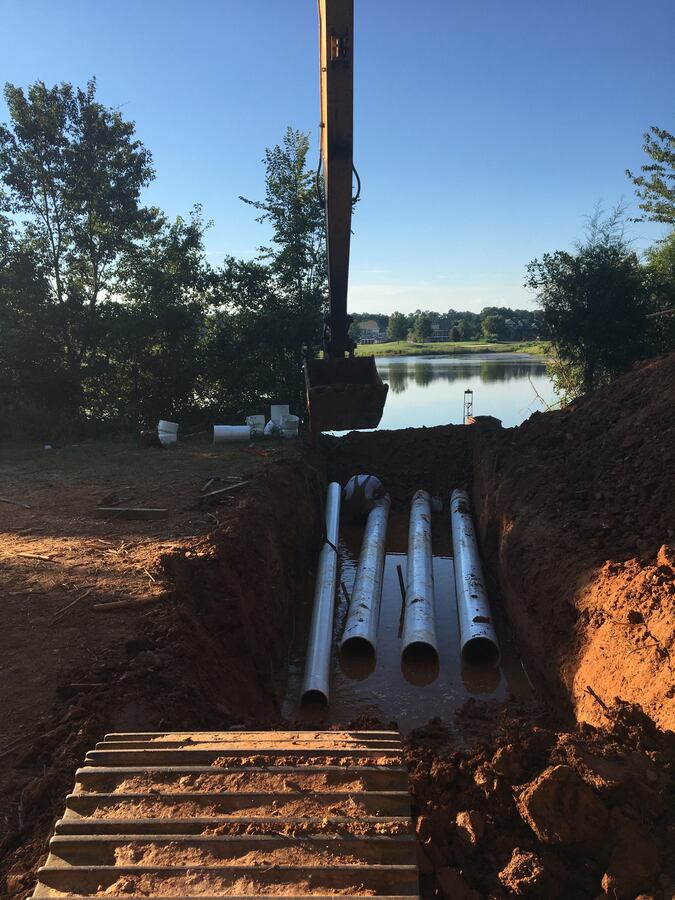
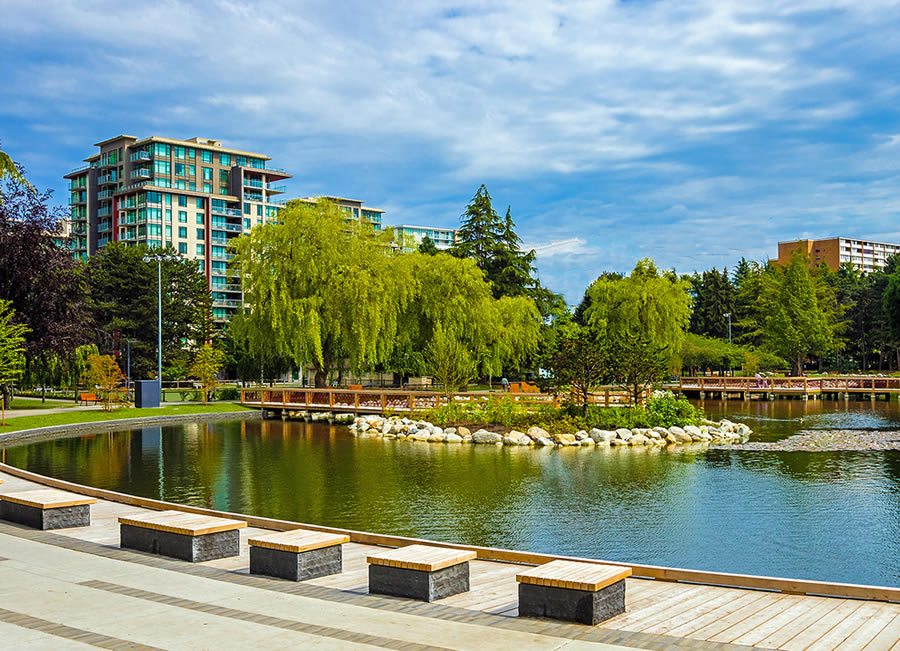
It’s also worth mentioning that human activity such as construction, foot traffic, or landscaping can also disturb the soil and remove plants that would otherwise act as a barrier and hold soil in place.
The good news is that you can take proactive steps to stop erosion before it becomes a major problem. Here are a few effective strategies that come to mind:
If your shoreline has already suffered from erosion, then act quick to restore it. Here’s how:
Property owners in the area dealing with severe erosion are invited to call Aquatic Restoration. Our lake and pond maintenance specialists in Lawrenceville can assess the situation and recommend solutions like dredging, shoreline grading, or installing advanced erosion control systems.
Spillways act as safety valves for ponds and lakes. They safely let extra water flow out when heavy rain fills…
Community lakes are often taken for granted until the water turns green, the fish die, and the shoreline starts to…
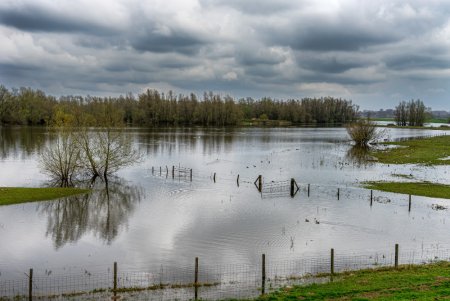
Retention ponds in HOA communities are important for flood prevention, controlling water flow, and filtering pollutants. When detention ponds…
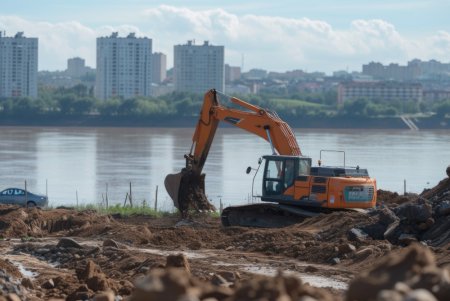
Lakes naturally accumulate sediment over time due to stormwater runoff, shoreline erosion, and the decay of aquatic plants. Without…

Retention ponds are vital to managing stormwater and preventing flooding. Found in suburban neighborhoods, HOAs, roadsides, public parks, and commercial…