blog-detail1

A crystal-clear pond might sound like a dream come true, but pure water clarity is not always a good thing. The pursuit of pure water clarity can sometimes lead to unexpected challenges and disruptions within pond ecosystems. In this brief article brought to you by Aquatic Restoration, we explore the complexities of water clarity in ponds and explore the nuances of clarity extremes and the problems they can entail.

If you are concerned about your pond’s water clarity, consider hiring professionals. Aquatic Restoration has over 35 years of pond maintenance experience, and we are proud to serve the Southeast region of the U.S.

The Allure and Deception of Pure Water Clarity

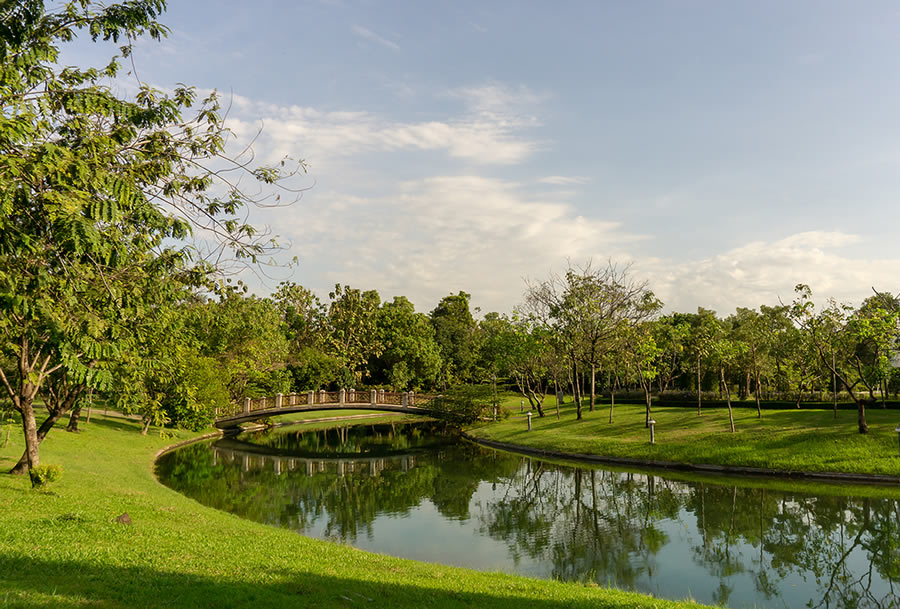
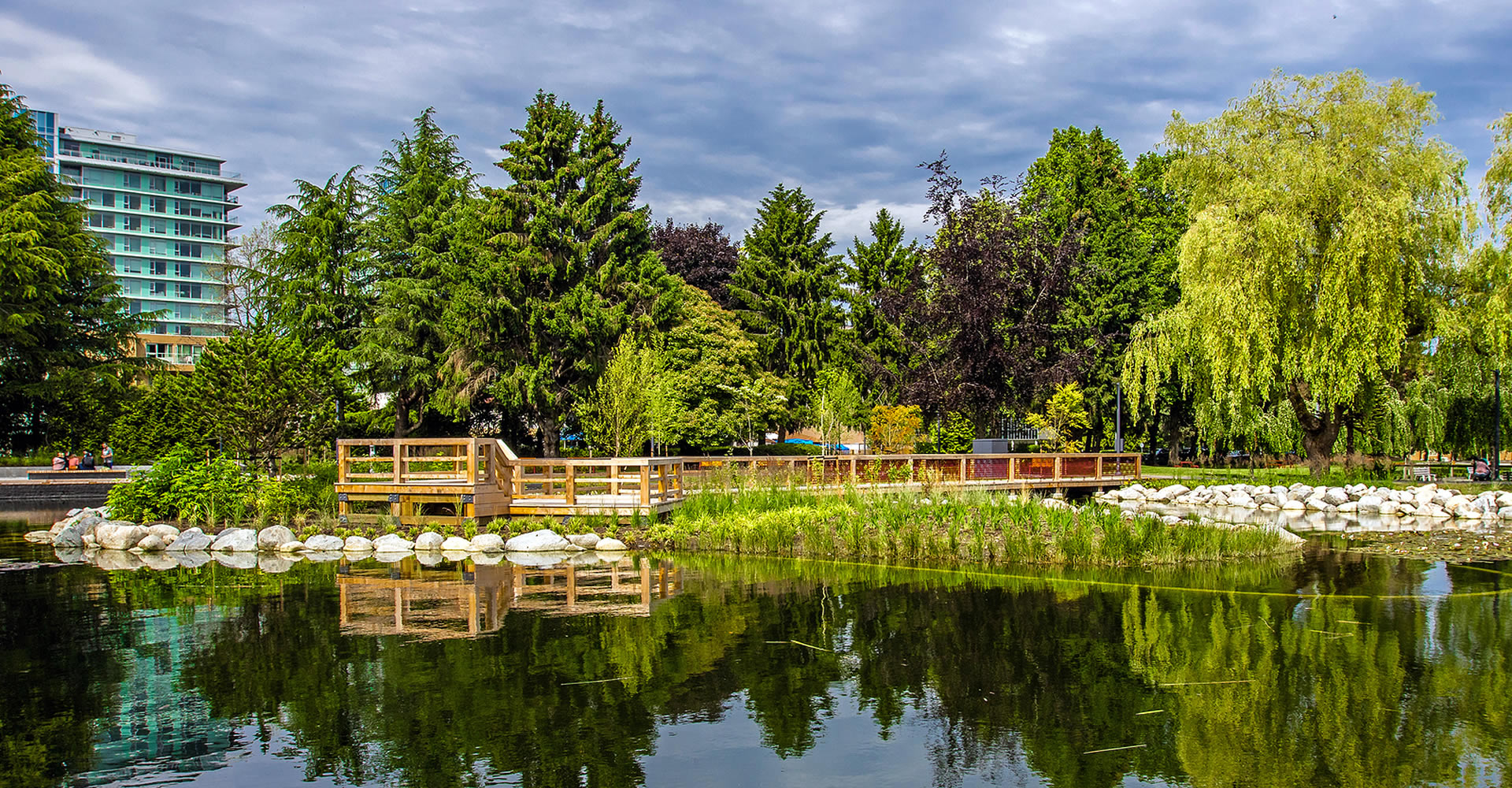
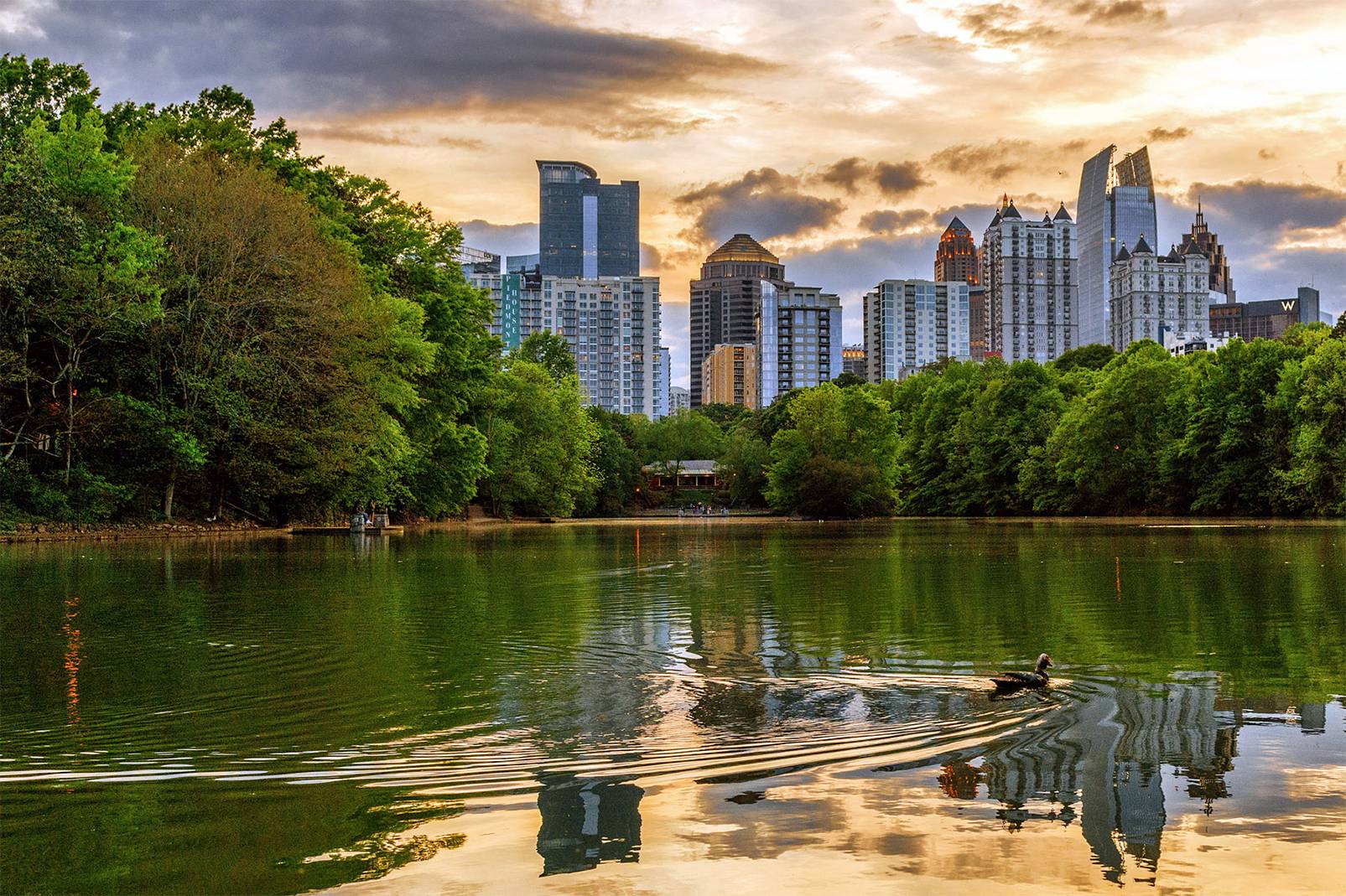
At first glance, a pond with pristine water clarity appears idyllic, offering a captivating view of aquatic life and submerged features. Clear water not only enhances the aesthetic appeal but also serves as a visual indicator of water quality. It suggests a well-balanced ecosystem with minimal suspended particles, balanced nutrient levels, and healthy aquatic flora and fauna.

While pure water clarity has its merits, it can also lead to unforeseen challenges within pond environments:

  • Habitat Limitations: Excessive clarity may create a lack of hiding places for fish and invertebrates, making them more susceptible to predation and stress.
  • Algae Imbalances: The absence of enough microscopic algae may indicate a lack of biological filtration, which can result in excess nutrients like nitrates and phosphates accumulating in the water. This can promote algae growth which can disrupt the balance of the ecosystem.
  • Temperature Fluctuations: Clear water absorbs more sunlight, leading to rapid temperature changes that can impact aquatic life, especially in shallow ponds.

The Benefits of Murky Water

Contrary to popular belief, murky water in ponds serves vital ecological functions and offers benefits often overlooked:
blog-detail2

Our Services

Siphon Installation

Siphon Installation

A serene lake, tranquil pond, or vital wetland are the jewels of our communities, but what happens when they start…

Lake Management

Lake Management

Water has always held a special allure. Whether for their beauty, recreational activities, or essential needs, lakes play a critical…

Spillway Renovation

Spillway Renovation

A spillway that's been left unattended for decades will likely show signs of wear and tear. Cracks, vegetation overgrowth, and…

  • Habitat Diversity: Murky water provides essential hiding spots and refuge for aquatic organisms, promoting biodiversity and natural balance.
  • Algae Regulation: Suspended particles in murky water limit sunlight penetration, helping regulate algae growth and maintain water quality.

Navigating Water Clarity Extremes

Achieving and maintaining optimal water clarity in ponds requires a balanced and multi-pronged approach. Here are some things to consider:

  • Proper Filtration: Implementing adequate filtration systems helps remove excess nutrients and particles while maintaining a healthy balance of beneficial algae.
  • Aquatic Plantings: Introducing a variety of aquatic plants not only enhances the pond's aesthetic appeal but also contributes to nutrient regulation and habitat provision.
  • Shade Management: Natural or artificial shade structures can reduce sunlight exposure, thereby mitigating temperature fluctuations and promoting stable water conditions.
  • Regular Monitoring and Maintenance: Conducting routine water tests, debris removal, and algae control measures are essential for preventing clarity extremes and preserving pond health.

Embracing Balance in Water Clarity

While the allure of pure water clarity is understandable, it's crucial to recognize that extremes in water clarity can disrupt the delicate balance of pond ecosystems. Ultimately, a balanced pond ecosystem – one that harmonizes clarity with habitat provision and nutrient management – ensures not only a visually appealing landscape but also a thriving aquatic community.

If you’d like to leave the detention or retention pond maintenance to trained and experienced professionals, then contact Aquatic Restoration to get started with a consultation. Our team is on standby to take your call or message today.
28 / Mar / 2024

Recent Blog Posts

The Danger of Vegetation Overgrowth on Spillways (It’s More Than Just an Eyesore)

The Danger of Vegetation Overgrowth on Spillways (It’s More Than Just an Eyesore)

Spillways act as safety valves for ponds and lakes. They safely let extra water flow out when heavy rain fills…
13
Aug
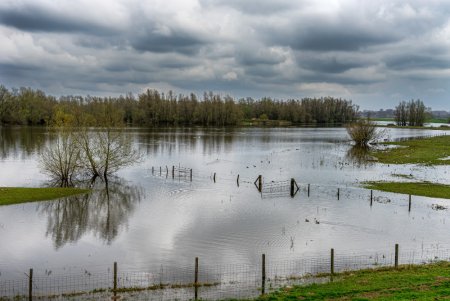
The Real ROI of Dredging Your Community Lake: Property Values & Boating Access

The Real ROI of Dredging Your Community Lake: Property Values & Boating Access

Community lakes are often taken for granted until the water turns green, the fish die, and the shoreline starts to…
07
Aug
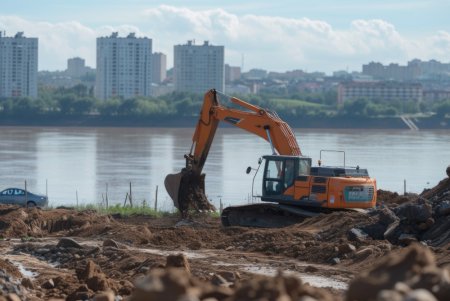
Is Your HOA’s Detention Basin Failing Municipal Stormwater Inspections?

Is Your HOA’s Detention Basin Failing Municipal Stormwater Inspections?

Retention ponds in HOA communities are important for flood prevention, controlling water flow, and filtering pollutants. When detention ponds…
29
Jul
Is Your Lake Shrinking? 3 Signs It’s Time to Talk About Dredging

Is Your Lake Shrinking? 3 Signs It’s Time to Talk About Dredging

Lakes naturally accumulate sediment over time due to stormwater runoff, shoreline erosion, and the decay of aquatic plants. Without…

22
Jul
The Invisible Problem: How Sediment Buildup Slowly Kills Retention Pond Capacity

The Invisible Problem: How Sediment Buildup Slowly Kills Retention Pond Capacity

Retention ponds are vital to managing stormwater and preventing flooding. Found in suburban neighborhoods, HOAs, roadsides, public parks, and commercial…

14
Jul