
Lake and pond dredging is an essential maintenance task that helps to improve water quality, restore depth and capacity, and maintain ecosystem health. In this blog post, Aquatic Restoration answers some of the frequently asked questions about lake and pond dredging.
Lake dredging in Atlanta, GA is the removal of sediment, debris, and organic matter from the bottom of a lake or pond. This process restores the body of water to its original depth and improves overall function.
Dredging removes built-up sediment, enhances water flow, and helps maintain a healthy balance of oxygen and nutrients in the water.
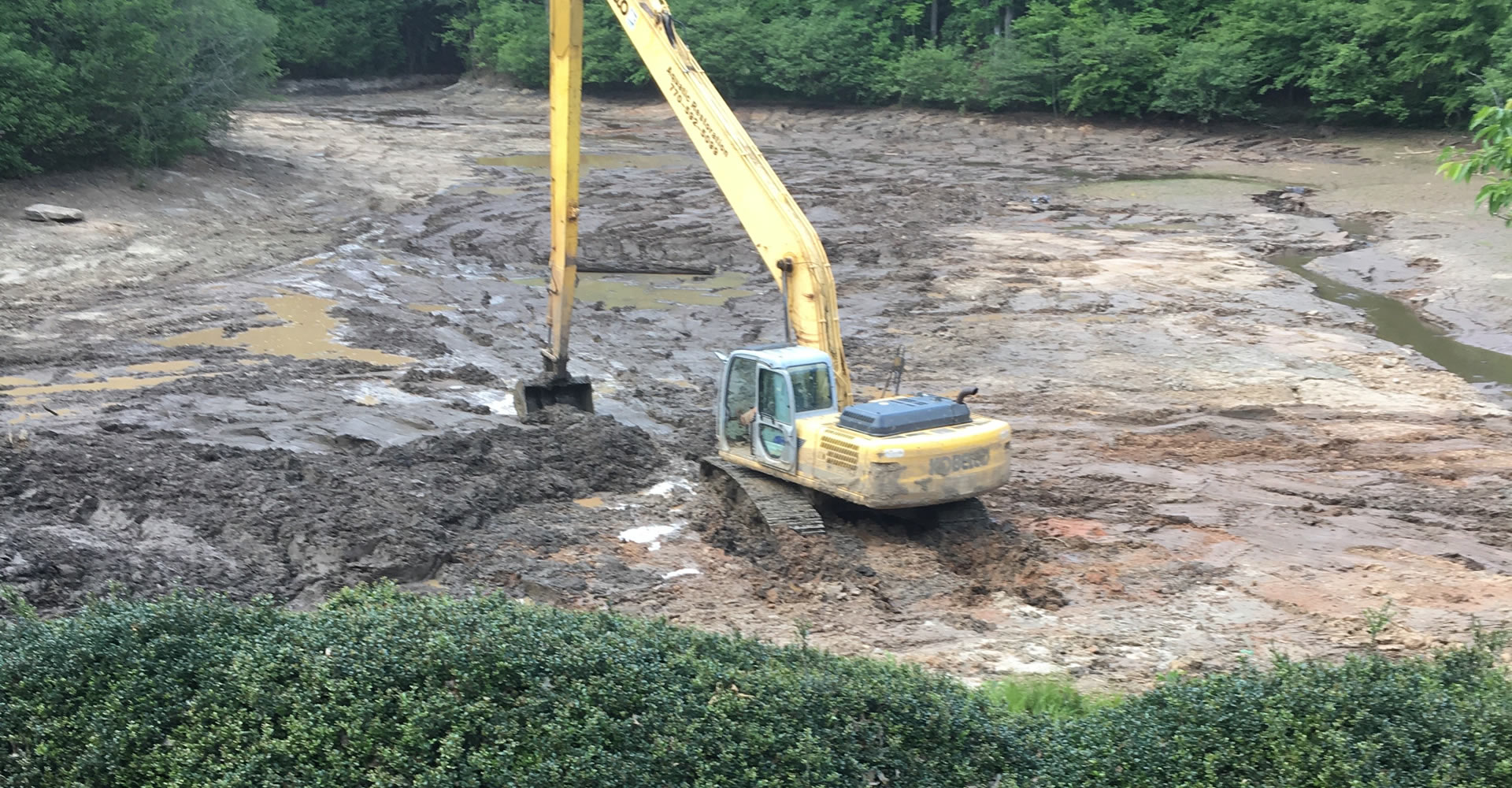
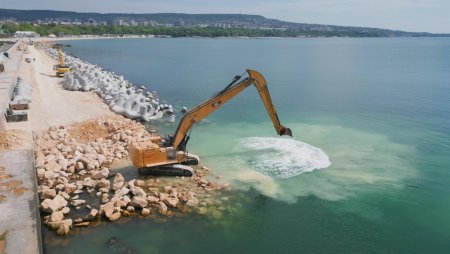
There are several dredging techniques, each suited for different conditions. Mechanical dredging uses excavators or dredge buckets to physically remove sediment, while hydraulic dredging involves suctioning sediment through a pipeline.
If a pond or lake has become shallow, has excessive weed growth, or experiences frequent algae blooms, it may be time to call a trusted lake restoration service for dredging. Other signs you need to consider dredging include poor drainage, murky water, or declining fish populations.

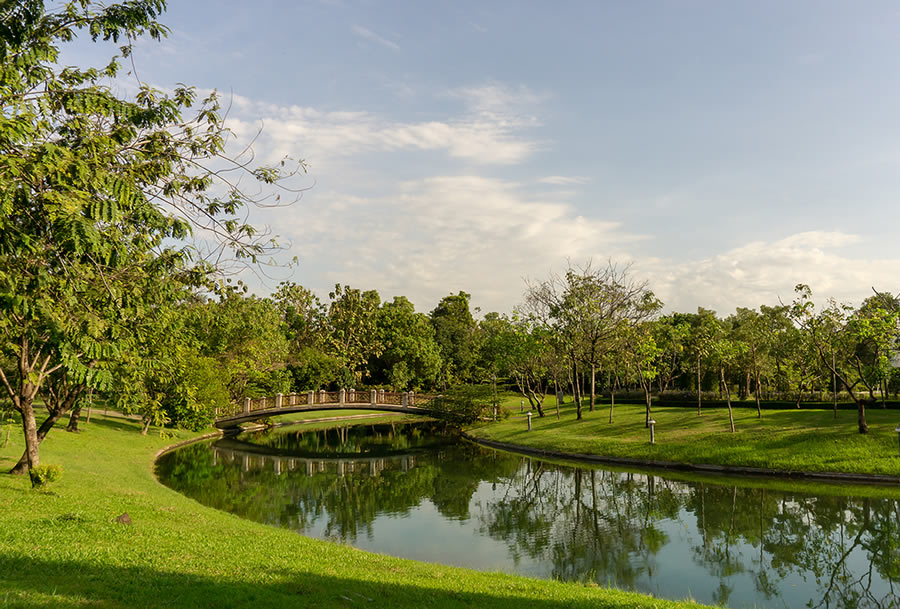
Lake and pond dredging requires approval from local, state, or federal environmental agencies. The requirements for obtaining permits vary depending on the project's location and the amount of material being removed.
The cost of dredging varies depending on factors like the size of the water body, depth of sediment removal, type of dredging method, and disposal costs. On average, small-scale dredging projects can cost a few thousand dollars, while larger operations may range into the hundreds of thousands.
The timeline for dredging depends on the size of the lake or pond, sediment volume, and dredging method. Small projects may take only a few days, while larger-scale dredging can take weeks or even months.
Dredged sediment is transported to designated disposal sites. In some cases, the material can be dewatered and used for land restoration, construction projects, or habitat enhancement. It’s best to work with a pond management company that’s known for environmentally responsible disposal.
Yes, in many cases, dredged material can be repurposed. Clean sediment can be used for shoreline restoration, wetland creation, or even agricultural purposes.
While dredging can temporarily disturb fish and plants, it benefits aquatic ecosystems in the long run. Proper planning minimizes disruption, and in some cases, dredging can create deeper, oxygen-rich environments that support healthier fish populations.
The frequency of dredging depends on sediment accumulation rates, land use around the water body, and maintenance efforts. Some lakes may require dredging every 10–20 years, while high-sediment areas might need more frequent attention.
Some of the factors that impact dredging costs include sediment volume, accessibility, equipment needs, and disposal methods.
Absolutely. Dredging removes excess nutrients, organic matter, and pollutants that cause water quality issues like algae blooms and poor oxygen levels.
Do you need professional lake dredging services? Look no further than Aquatic Restoration. We are a second generation owned lake services company with over 35 years of experience. We are equipped with top-of-the-line tools and equipment to provide exceptional lake and pond dredging. Contact us today to book an appointment and learn more about the services we offer.
.webp)
When was the last time you had a specialist inspect your lake or pond? You probably do not remember because…

Water quality determines the overall health and sustainability of aquatic ecosystems. The physical, chemical, and biological composition of water…
Excessive plant growth is bad news for your lake. It may not seem like a serious issue until the water…
Lakes and ponds accumulate sediment, sludge, and accumulated organic debris at the bottom, leading to deteriorating water quality, oxygen depletion,…
Have you ever wondered why algae blooms often get worse during summer months? Warm temperatures, extra sunlight, and nutrient availability…