


Stormwater management is a critical part of maintaining healthy ecosystems and communities. If not properly managed, stormwater runoff can cause severe flooding and carry untreated pollutants into local waterways. When it comes to managing stormwater, two common structures often come up: retention ponds and detention ponds. Both structures are designed to control runoff and reduce flooding risks, but they do it differently.
At Aquatic Restoration, we have over 35 years of experience offering pond and lake management services in Georgia, including retention and detention pond maintenance. In today’s post, we’ll talk about the differences between retention ponds and detention ponds and share tips on how to maintain the two structures.
A retention pond is designed to hold water for an extended period. Unlike a detention pond, it typically maintains a permanent pool of water. Stormwater flows into the pond, where pollutants and sediment can settle before the water is released through an outlet or allowed to leave through infiltration and evaporation.
Because water remains in the pond, vegetation and aquatic growth can become part of the system. Regular retention pond maintenance is important to prevent excessive algae, weeds, sediment buildup, and erosion. A well-maintained retention pond should have stable banks, functioning outlets, and controlled vegetation.
A detention pond has a different job. It temporarily stores stormwater during and after rainfall and then releases it at a controlled rate. The goal is to reduce the speed and volume of runoff entering nearby drainage systems, streams, or other waterways.
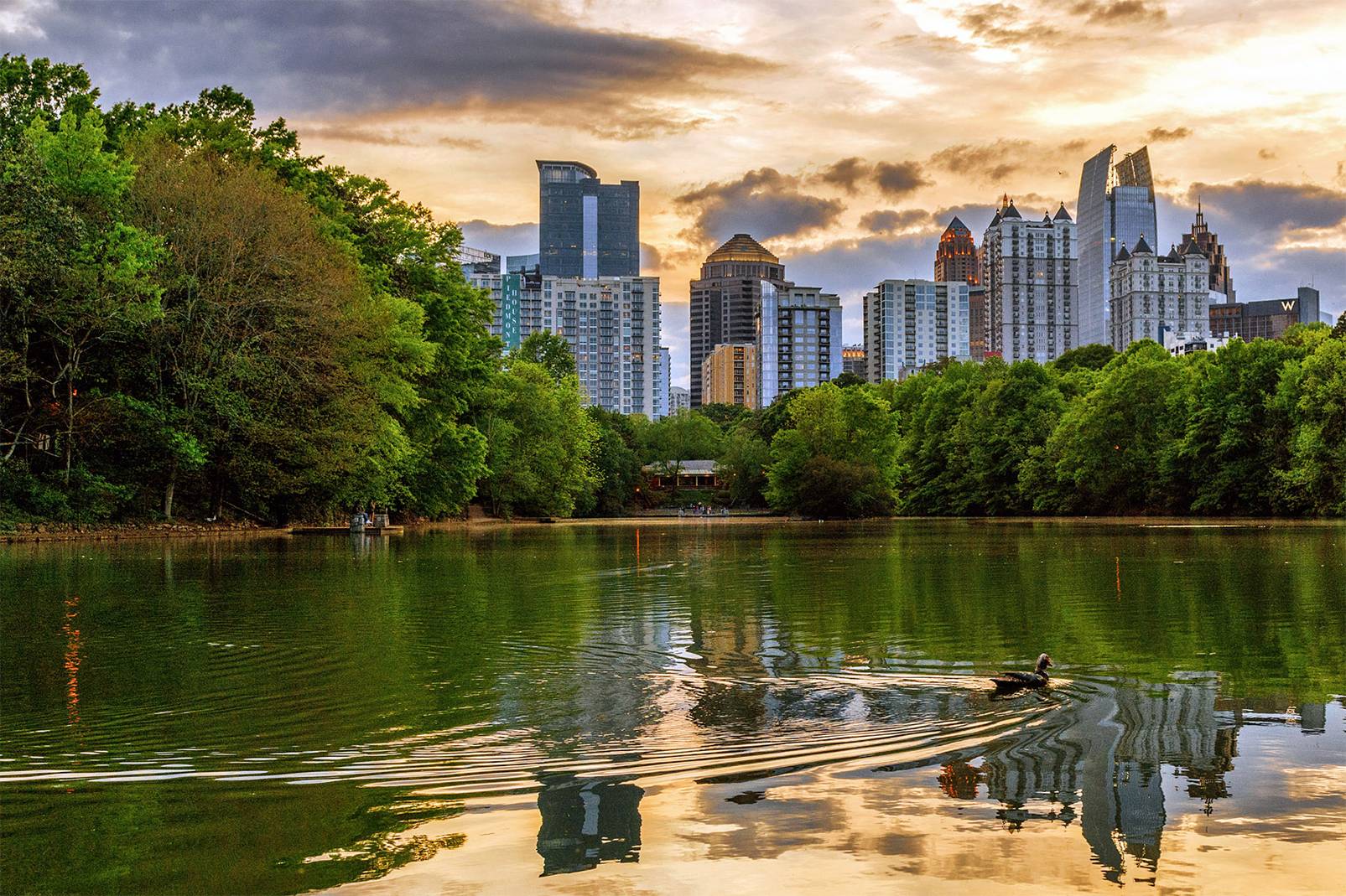
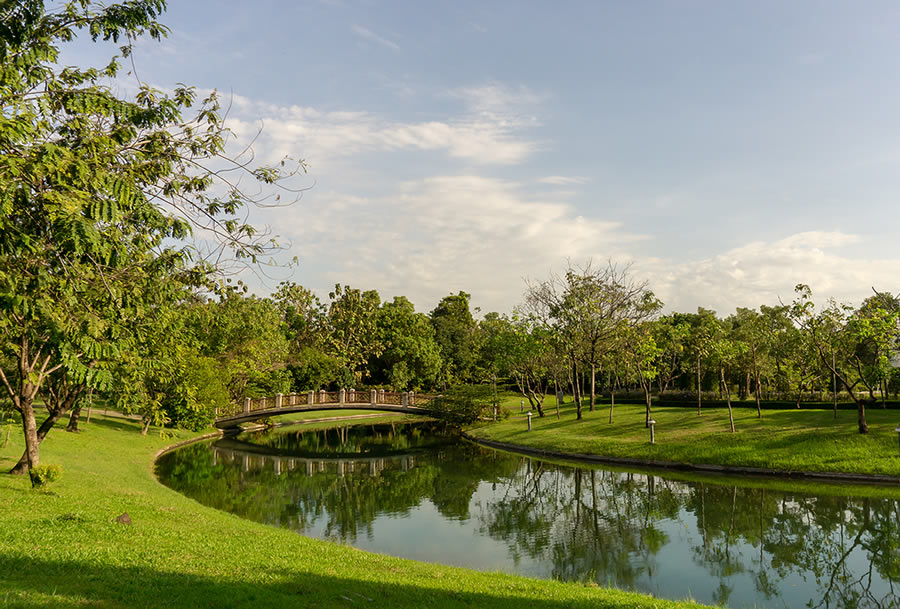
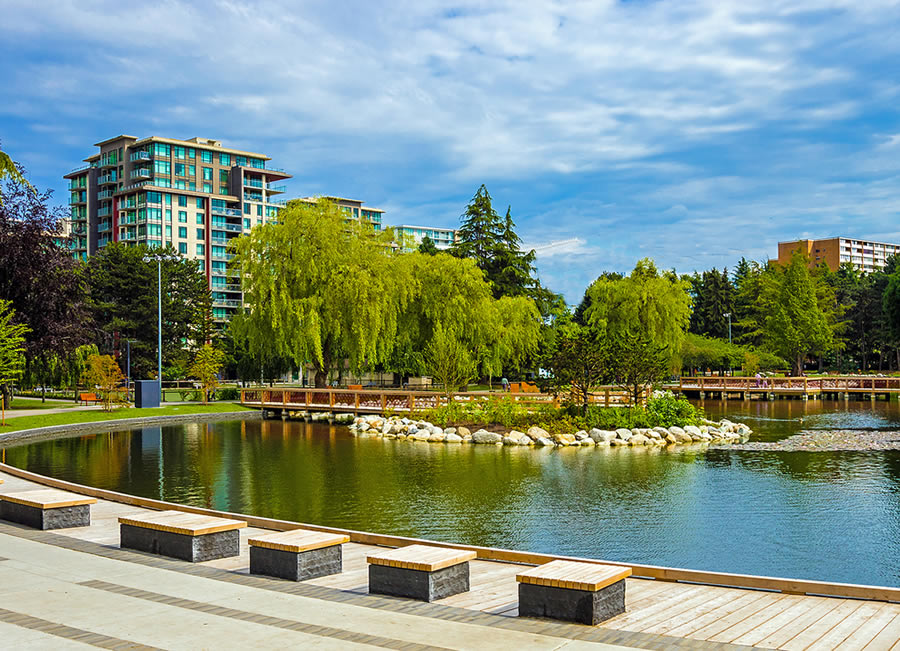
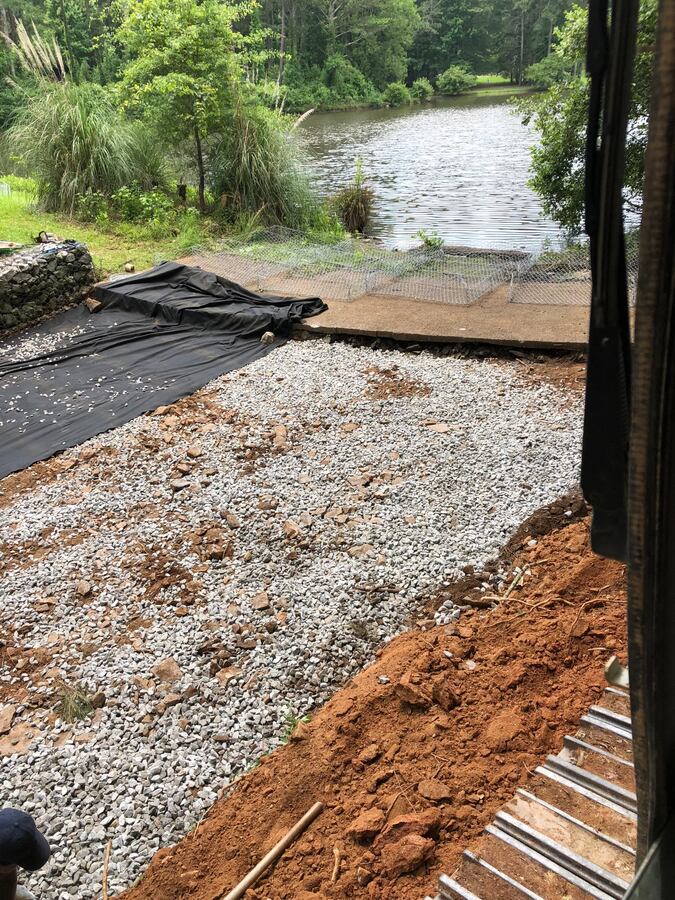
A detention pond may appear mostly dry between storms. After heavy rain, however, water can collect in the basin before gradually draining away. Keeping the outlet structure clear is especially important because debris or vegetation can interfere with the controlled release of water.
The easiest way to remember the difference is simple: retention ponds are designed to keep water, while detention ponds are designed to temporarily hold and release it. Retention ponds have a permanent water level, while detention ponds are often dry or nearly dry between significant rainfall events.
Both types can collect sediment and debris, experience erosion, and develop vegetation problems. Detention and retention pond maintenance needs can also vary depending on their design, location, surrounding landscape, and local requirements.
Routine inspections are one of the most important parts of retention and detention pond maintenance. Property owners should watch for erosion along the banks, excessive vegetation, clogged drainage structures, standing water where it should not be, and signs of structural damage. Trash and debris should be removed before they interfere with inlets or outlets.
Sediment can also accumulate over time and reduce the pond's ability to store or manage stormwater. When buildup becomes significant, professional sediment removal may be necessary. A company specializing in lake dredging can help you with sediment removal and other key maintenance tasks. Vegetation should be managed carefully as well. Some plants can help stabilize pond banks, while uncontrolled growth can obstruct drainage structures or make inspections difficult.
Aquatic Restoration is the company to call when you need detention and retention pond maintenance services. Our experienced specialists have the right tools and knowledge to handle everything from invasive species control to system inspections and regulatory reporting. With over 1300 projects successfully completed, 35+ years in the industry, and state-of-the-art tools, you can rest assured that the job is in capable hands. Contact us now for professional pond and lake management services.

Retention ponds help manage stormwater runoff, reduce flooding, and capture sediment before it reaches nearby waterways. However, retention pond maintenance…
.webp)
Stormwater management is an essential part of controlling rainwater runoff and protecting natural ecosystems. There are two options that often…

Dredging is an integral part of preserving a lake’s natural balance. Removing accumulated sand, silt, mud, and decaying organic debris…

A retention pond may become an environmental liability when it develops excessive algae, accumulates heavy sediment, suffers shoreline erosion,…

Dredging removes accumulated sediment, muck, sludge, and decaying organic debris from the bottom of a water body. This process is…