

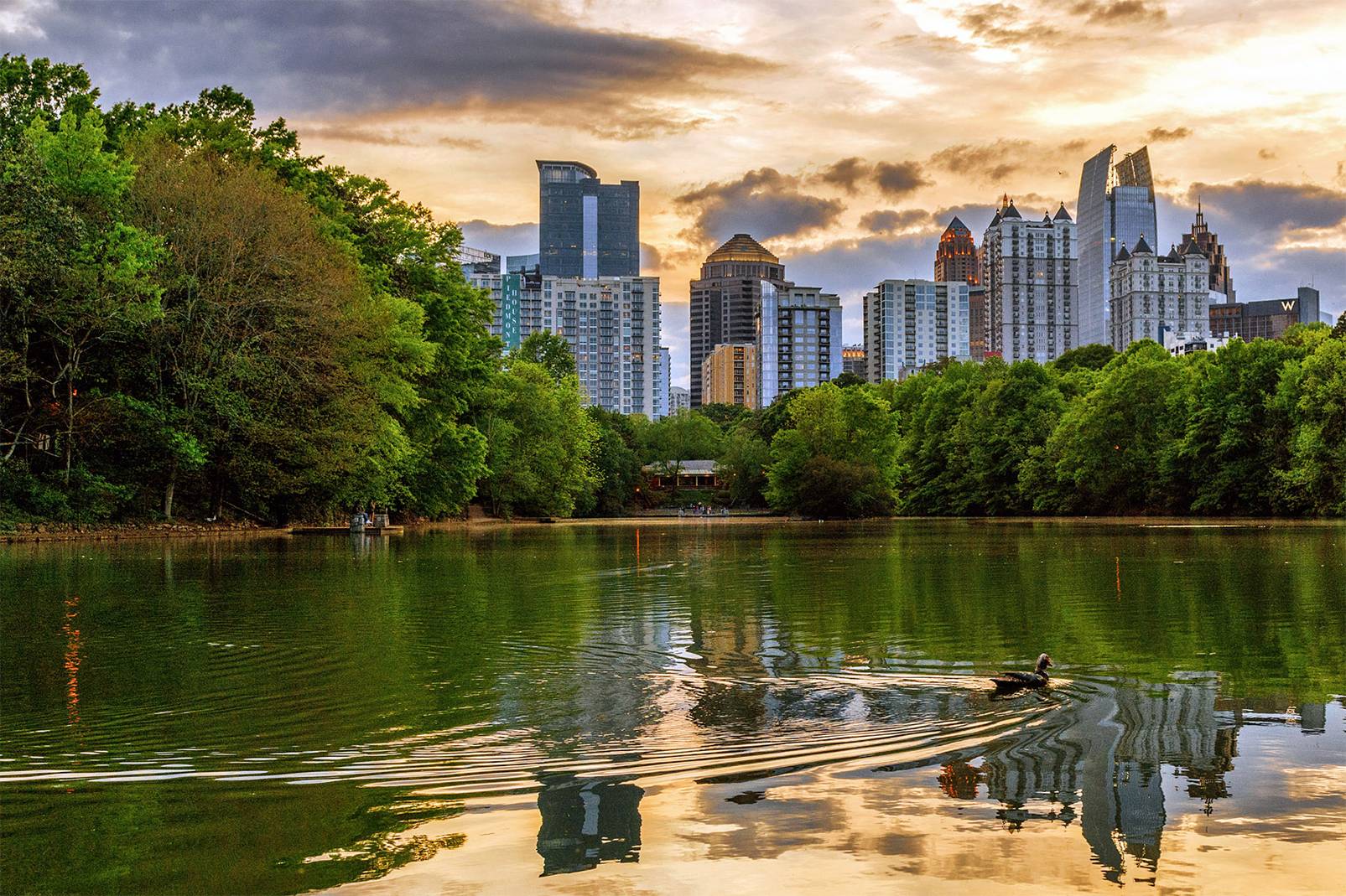
Dredging is an integral part of preserving a lake’s natural balance. Removing accumulated sand, silt, mud, and decaying organic debris from a lake restores depth and volume, improves water quality, enhances aquatic life, and reduces flood risk. You’ll know it’s time to schedule lake dredging if you notice significant depth loss, excessive algae and weeds, murky water, foul odors, and a decline in fish. It’s best to hire a dependable lake management company in Georgia when it’s time to dredge your lake.
At Aquatic Restoration, we take great pride in offering a wide range of lake services, including dredging, shoreline stabilization, siphon installation, detention pond maintenance, and many more. In today’s blog post, we’ll share the common signs it’s time to schedule lake dredging to prevent your lake from shrinking.
Rainwater flowing across surrounding land can carry soil, leaves, grass clippings, and other material into a lake. Over time, these particles settle on the bottom and form layers of sediment. Natural erosion, stormwater runoff, and nearby construction can increase the amount entering the water.
You may notice the effect first in shallow areas along the shoreline. Places that once had several feet of water may gradually become much shallower. If sediment continues accumulating, it reduces the lake's overall capacity and changes its original depth profile.
A changing shoreline can be another visible indication of sediment accumulation. Areas that were previously underwater may become exposed during periods of low rainfall. Muddy edges, expanding patches of vegetation, or new shallow shelves around the perimeter can also signal that sediment is filling portions of the basin.
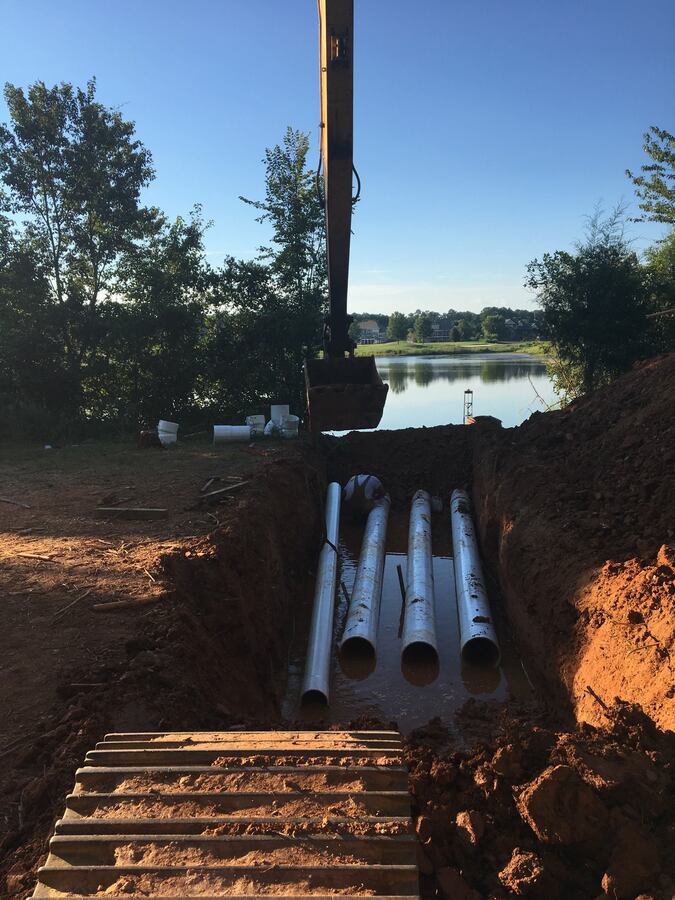
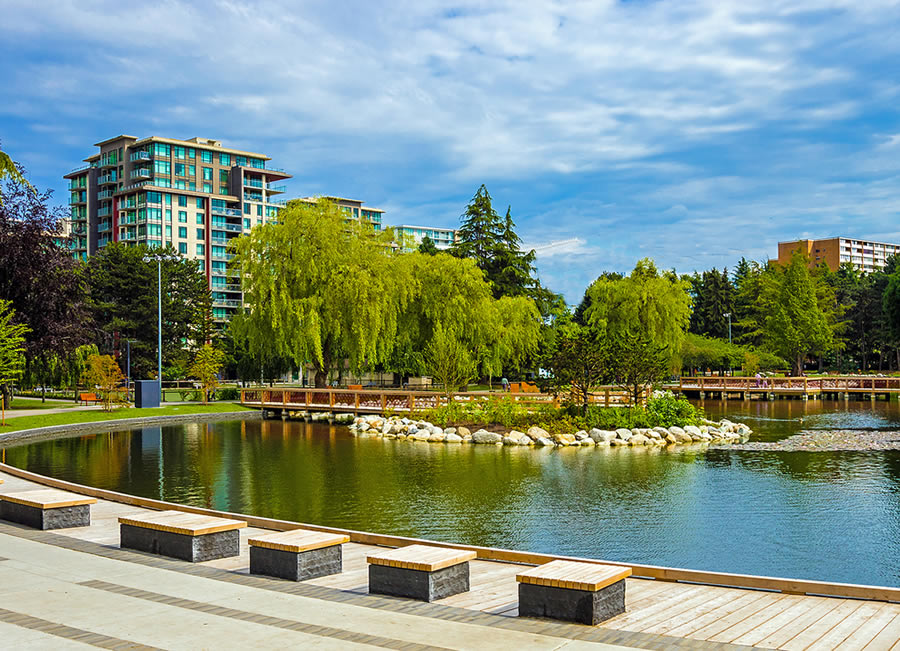
Seasonal water-level changes are normal, so a temporary reduction in the visible water area does not automatically mean dredging is needed. However, a consistent change over time is worth investigating, particularly if the lake continues becoming shallower from year to year. Look for a local company offering detention pond maintenance to find out what’s causing the change and provide recommendations.
Excess sediment can create shallow conditions where aquatic vegetation can take root. As these plants spread, they may occupy areas that were previously open water. Organic material from dying vegetation can then settle onto the bottom, adding another layer of material to the lake.
A growing band of vegetation around the shoreline does not necessarily mean the entire lake needs to be dredged. However, when vegetation, shallow water, and sediment accumulation occur together, they can point to changes in the lake's depth and bottom conditions.
Changes in lake depth can eventually affect how the property is used. Boats may have difficulty navigating areas that were previously accessible, swimming areas may become too shallow, and docks may sit in much shallower water than they once did.
For property owners who rely on a lake for boating, fishing, swimming, irrigation, or visual appeal, losing usable water depth can become a practical concern. Dredging and retention pond maintenance may be considered when accumulated sediment is interfering with those intended uses.
Maintaining a healthy lake or pond requires proper maintenance and timely intervention. From depth loss and discolored water to foul odor and excessive algae, these are clear signs that professional lake dredging services are needed. Addressing these issues early helps restore water clarity, depth, health, and usability. If you’ve noticed any of these signs, get in touch with the experts at Aquatic Restoration. We are a local company that you can count on when you need top-notch lake services without breaking the bank. Contact us now!

Retention ponds help manage stormwater runoff, reduce flooding, and capture sediment before it reaches nearby waterways. However, retention pond maintenance…
.webp)
Stormwater management is an essential part of controlling rainwater runoff and protecting natural ecosystems. There are two options that often…

A retention pond may become an environmental liability when it develops excessive algae, accumulates heavy sediment, suffers shoreline erosion,…

Dredging removes accumulated sediment, muck, sludge, and decaying organic debris from the bottom of a water body. This process is…