


Retention ponds help manage stormwater runoff, reduce flooding, and capture sediment before it reaches nearby waterways. However, retention pond maintenance is required to keep the system in top shape. When a pond develops drainage problems, erosion, or structural damage, it may no longer hold or release water as intended. Catching these issues early can help property owners avoid costly repairs and protect surrounding land. Here are five warning signs that your retention pond may be failing and what to do when you notice them.
A retention pond may hold water for an extended period, depending on its design and purpose. However, if water levels remain unusually high long after a storm, the outlet structure could be blocked, damaged, or unable to release water at the intended rate. Excessive sediment and debris can also interfere with drainage.
Compare water levels after similar rainfall events and look for changes in how quickly the pond returns to its normal condition. If standing water persists longer than usual or begins threatening nearby property, have the outlet and drainage system inspected. Call a professional company specializing in lake dredging to inspect your retention pond and offer expert guidance.
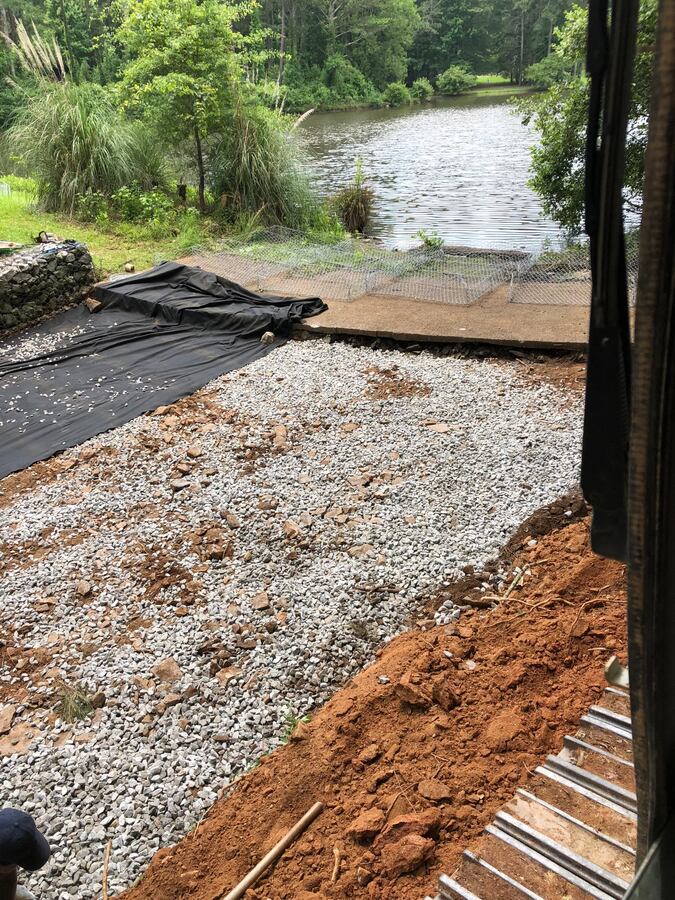
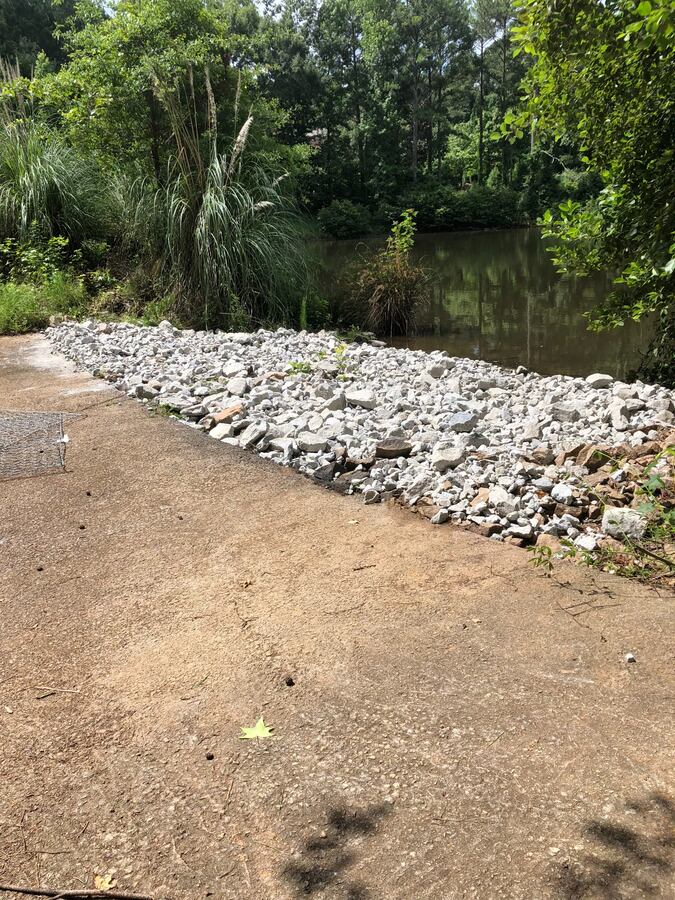
Bare patches, exposed roots, deep channels, and sections of collapsing soil can indicate erosion along the pond's banks. Heavy runoff, wave action, poor vegetation coverage, and concentrated water flow can gradually wear away the shoreline. Left untreated, erosion may reduce the pond's capacity and threaten nearby walkways, fences, or structures.
Inspect the banks after heavy rain, paying attention to areas where water enters or leaves the pond. Maintain suitable vegetation and address concentrated runoff. Significant bank instability may require professional assessment and erosion-control measures. Get in touch with a trusted lake management company in Georgia for an inspection.

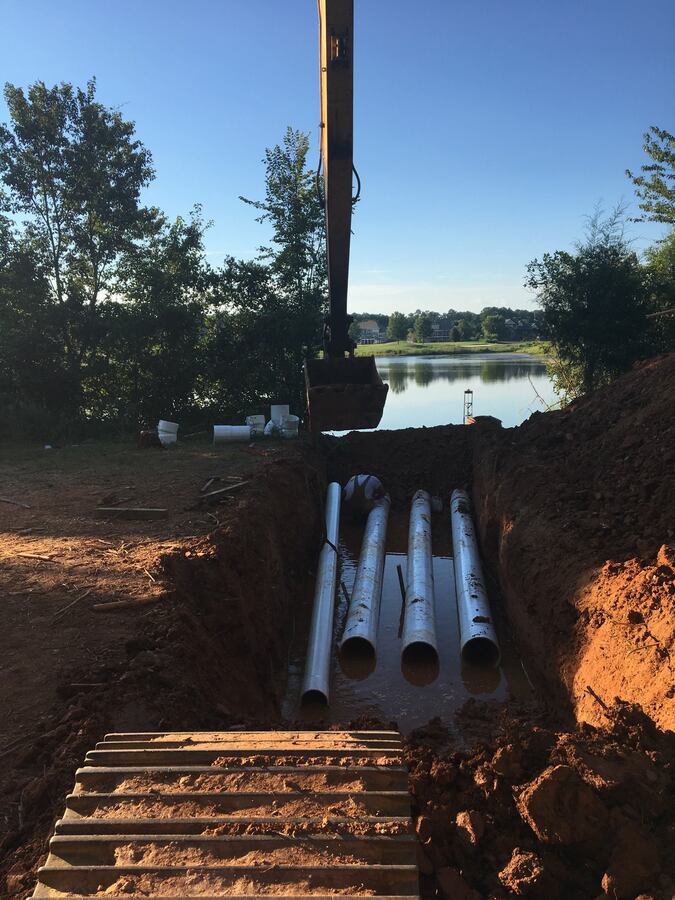
Leaves, soil, grass clippings, and other debris can accumulate in a retention pond over time. Excessive sediment reduces the space available for stormwater storage and can obstruct inlets, outlets, and drainage channels. As the pond loses capacity, heavy rainfall may cause water to rise higher than expected.
Look for visible sediment deposits, shallow areas, and debris collecting around drainage structures. Removing litter and clearing accessible debris can help, but substantial sediment buildup may require a planned removal project. Before lake dredging, determine where the sediment is coming from and whether testing or permits are necessary.
Cracks in concrete outlet structures, depressions along the embankment, and sinkholes near the pond deserve immediate attention. These changes may indicate soil movement, erosion beneath the surface, or damage to drainage components. In some cases, water may be escaping through the embankment rather than following its intended route.
Do not ignore a growing depression or attempt to fill a suspected sinkhole without identifying the cause. Keep people and vehicles away from unstable areas, and contact a professional lake management company. Rapidly developing settlement, significant seepage, or an embankment breach may require urgent action.
Changes in water quality can indicate that runoff is carrying excess nutrients, organic waste, or pollutants into the pond. Thick algae growth, unusual discoloration, floating debris, and foul odors may point to stagnant water or contamination. Not every algae bloom means the pond's structure is failing, but sudden or recurring changes need further investigation.
Check nearby areas for fertilizer runoff, leaking drainage lines, and other possible pollution sources. Avoid touching suspicious water or removing an unidentified algae bloom yourself, since some blooms can produce harmful toxins.
Retention ponds require routine maintenance to preserve storage capacity, prevent blockages, and control erosion. Bank erosion, blocked inlets, excessive sediment buildup, and persistent foul odors are all signs that you need to call an expert to inspect your retention pond. If you’re looking for a dependable lake management company to keep your retention pond in top shape, get in touch with the experts at Aquatic Restoration. We are a top-rated service provider with over 35 years of experience in the industry and a proven track record. Our experienced technicians are ready to help you enhance aquatic health by offering professional services. From shoreline stabilization and detention maintenance to siphon installation, we’ve got you covered. Contact us now to request service!

Detention ponds play an important role in managing stormwater runoff on commercial properties, residential developments, apartment communities, and other managed…
.webp)
A beautiful community lake can be one of an HOA's biggest attractions. It gives residents a peaceful place to relax,…

A lake may look clean from the shoreline, but what happens beneath the surface can tell a different story. Over…

A lake or pond can lose depth without an obvious change in its shoreline. Leaves, soil, sand, and other organic…