

A retention pond may become an environmental liability when it develops excessive algae, accumulates heavy sediment, suffers shoreline erosion, produces persistent odors, or stops draining properly after storms. These conditions can affect water quality, reduce the pond's stormwater capacity, and create problems for surrounding soil, vegetation, and waterways. Regular inspections and timely retention maintenance can help property owners identify these changes before they become more difficult and costly to address.
Green, brown, or cloudy water may indicate that a retention pond is receiving too many nutrients, sediments, or pollutants from surrounding areas. Thick algae growth can also reduce oxygen levels in the water and interfere with aquatic life. A sudden change in water color or persistent surface growth deserves attention, particularly when it is accompanied by unpleasant odors. It’s advisable to consult with a company offering lake dredging services when you notice excessive algae in your retention pond.
Sediment naturally enters retention ponds through stormwater runoff, but excessive accumulation can reduce the pond's storage capacity. When soil, sand, and other materials collect on the bottom, the pond may no longer function as originally designed. Sediment can also carry pollutants into the pond, affecting water quality and potentially allowing contaminants to move into downstream waterways.
Bare soil, gullies, exposed roots, and visibly eroded slopes can indicate that stormwater is moving through the pond too aggressively. Continued erosion can destabilize the banks and send additional sediment into the water. Damaged areas may become increasingly difficult to maintain if they are not addressed before larger sections of the pond's shoreline are affected. If you’ve noticed eroded banks or damaged slopes, it may be time to schedule retention and detention pond management.
A healthy retention pond should not consistently produce strong sewage-like or rotten odors. Persistent smells can point to stagnant water, excessive organic material, or other water-quality problems. Dead vegetation around the pond may also indicate prolonged flooding, poor water conditions, chemical exposure, or changes in the site's drainage patterns.
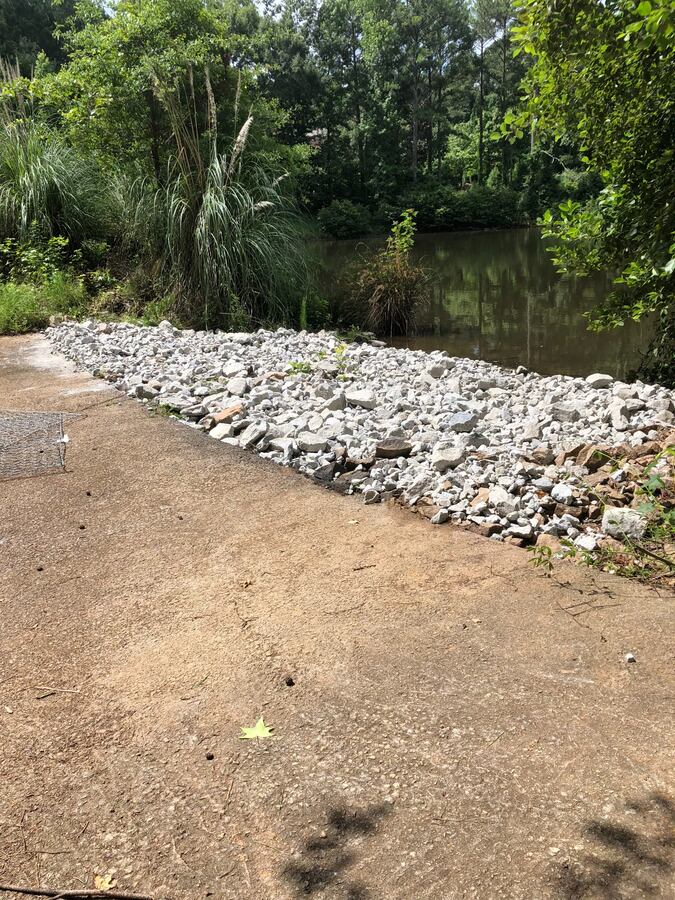
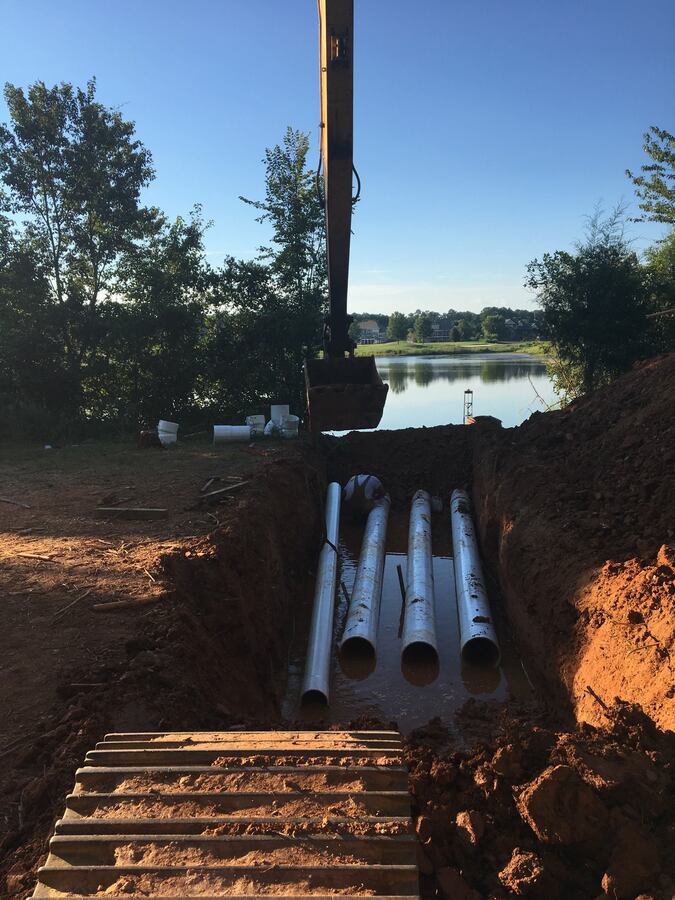
A retention pond that remains excessively full long after rainfall may have an issue with its outlet structure, drainage system, or surrounding grading. Poor drainage can reduce the pond's ability to manage the next storm event and increase the risk of overflow. Property owners should also watch for water escaping through unintended areas, particularly around embankments and drainage structures.
A retention pond is part of a property's stormwater infrastructure, so its condition can affect more than the appearance of the landscape. Algae, sediment, erosion, odors, and drainage problems can indicate that the system needs attention. Routine inspections make it easier to identify changes while maintenance options are still available.
Keeping the basin, banks, vegetation, drainage structures, and surrounding areas in good condition helps the pond continue performing its intended stormwater management function. Most importantly, take quick action when you notice a problem with your retention pond. Work with a dependable lake management company in Georgia when you need professional help.
If you’re noticing any of the signs we’ve highlighted above, you may want to schedule a consultation with a trusted lake management company. Aquatic Restoration is the name you can count on when you need an expert to inspect and maintain your retention pond. Our team will assess your retention pond’s condition and recommend the best course of action. Let us help you keep your retention pond in pristine condition, protect the environment, and save you from liability issues. From detention pond maintenance to siphon installation and shoreline stabilization, we do it all. Call us now to schedule your appointment!

Retention ponds help manage stormwater runoff, reduce flooding, and capture sediment before it reaches nearby waterways. However, retention pond maintenance…
.webp)
Stormwater management is an essential part of controlling rainwater runoff and protecting natural ecosystems. There are two options that often…

Dredging is an integral part of preserving a lake’s natural balance. Removing accumulated sand, silt, mud, and decaying organic debris…

Dredging removes accumulated sediment, muck, sludge, and decaying organic debris from the bottom of a water body. This process is…