


Retention ponds play an essential role in controlling flooding and managing runoff. However, these ponds require regular maintenance to function effectively. Neglecting your retention pond can lead to reduced capacity, severe property flooding, steep municipal fines, and expensive emergency repairs. For property owners and HOAs, recognizing the signs you need retention pond maintenance can avert costly damage and rejuvenate your pond’s health.
Aquatic Restoration is a trusted lake services provider that offers retention and detention pond maintenance, siphon installation, shoreline stabilization, and more. In this post, our team outlines the top 5 signs your retention pond needs professional maintenance. Keeping your retention pond healthy is extremely important, and we’re here to help you.
A retention pond is expected to hold water, but the water level should respond to the pond’s design and surrounding drainage conditions. If water remains unusually high long after rainfall or the pond seems unable to drain as it normally does, something may be interfering with its function.
Sediment buildup can reduce available storage capacity, while clogged outlets or drainage structures can restrict the movement of water. Persistent high levels deserve attention because the pond may have less capacity available when the next major storm arrives.
Stormwater carries soil, sand, leaves, and other particles into retention ponds. Over time, these materials settle at the bottom and form a layer of sediment. A small amount is normal, but excessive accumulation can make the pond shallower and reduce the volume of water it can hold. Sediment can also affect inlet and outlet structures. If the bottom has become noticeably shallower or muddy deposits are building up around the pond, professional sediment removal may be needed. A company specializing in lake dredging can help you with sediment removal and restore your retention pond to tiptop condition.
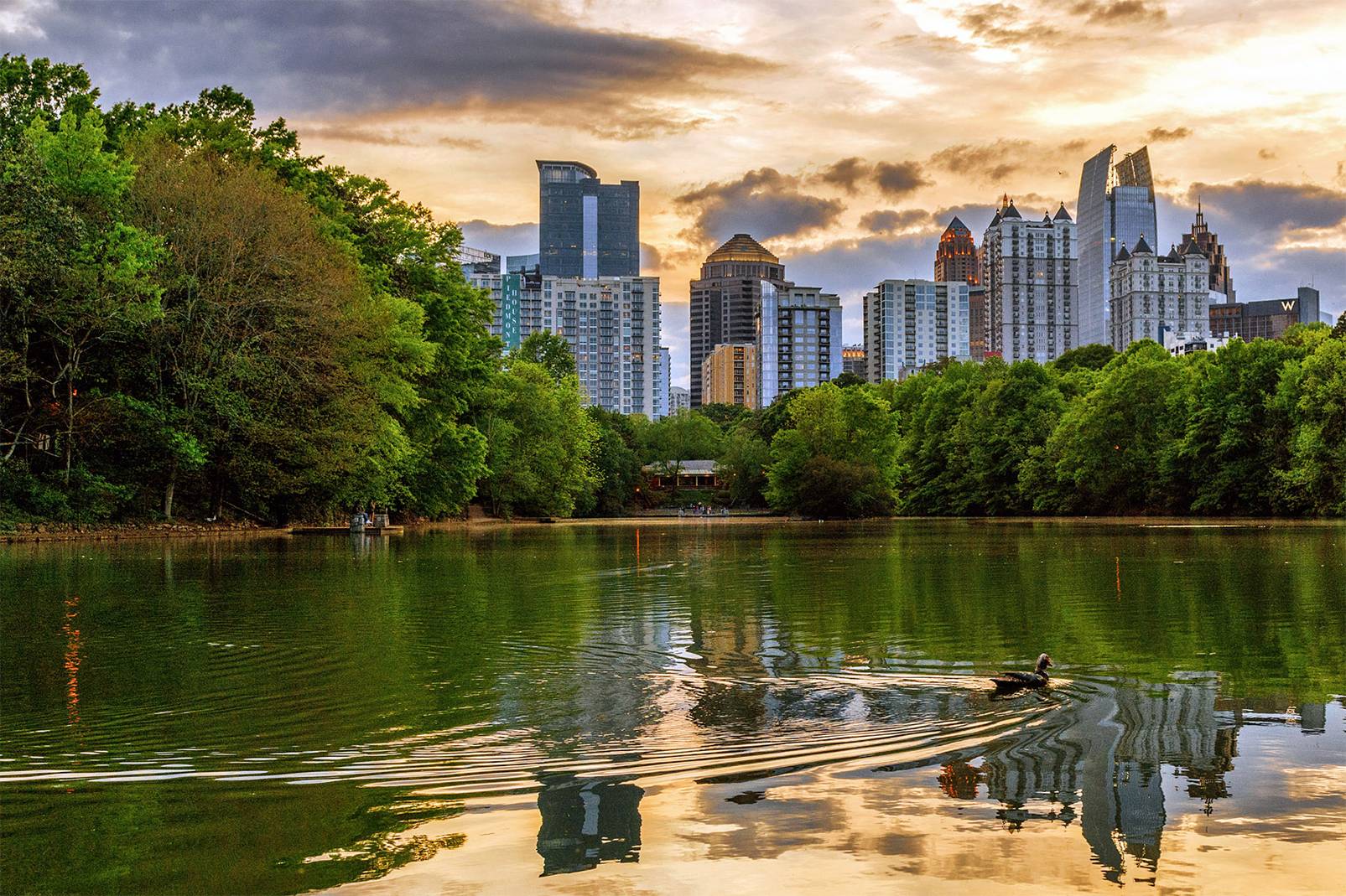
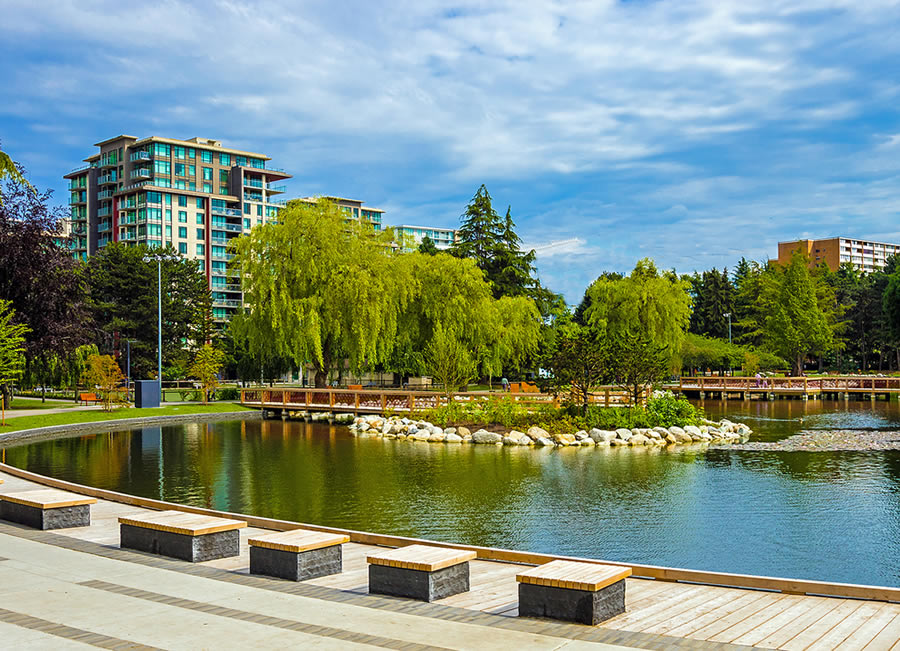
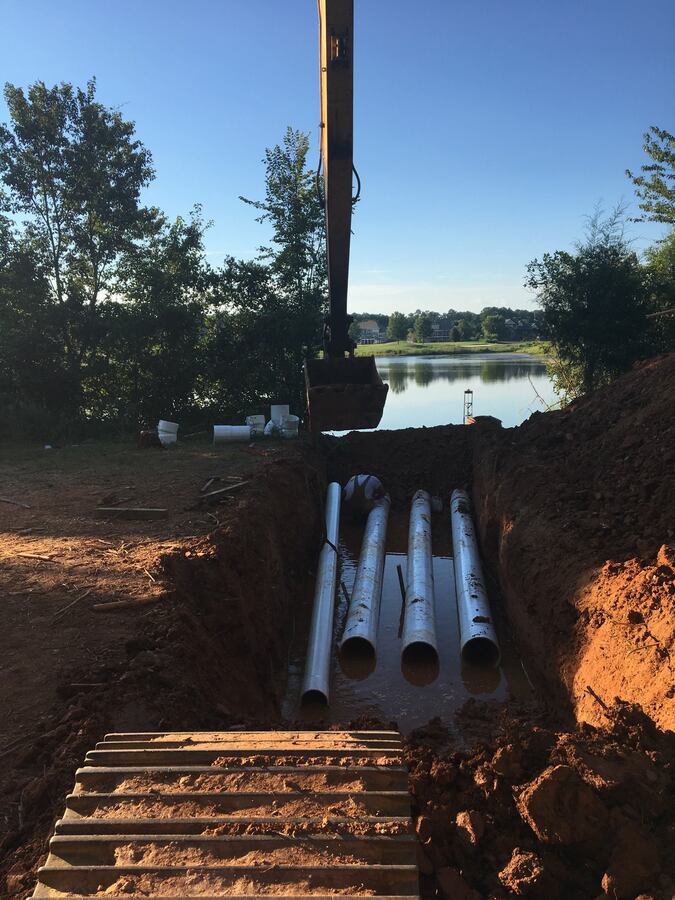
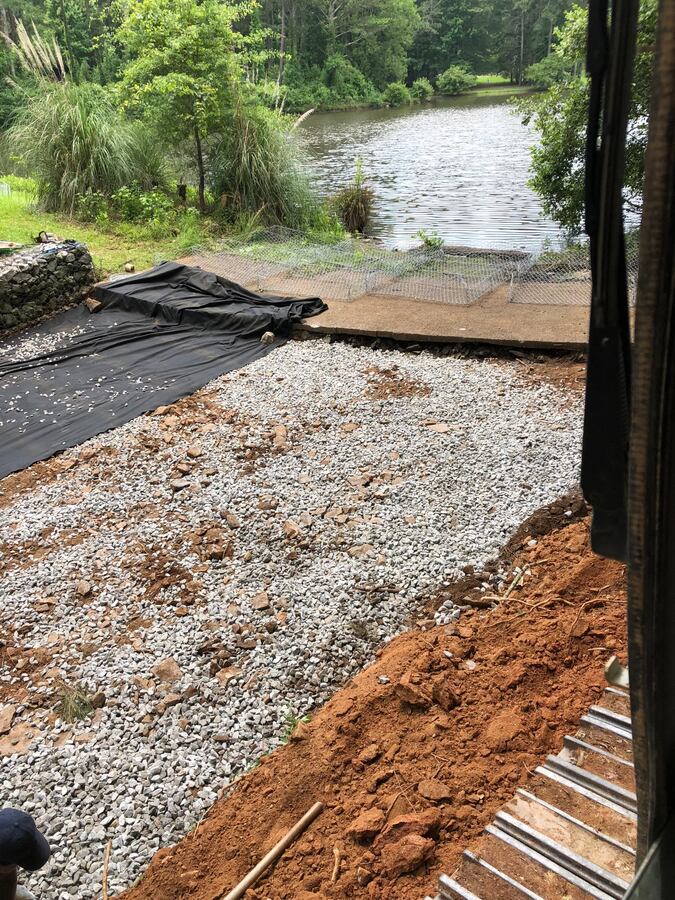
Plants can have a place around a retention pond, but uncontrolled growth can become a maintenance concern. Dense weeds, invasive plants, brush, and excessive aquatic vegetation may restrict visibility and make it difficult to inspect the pond. Overgrown vegetation can also interfere with drainage structures and create areas where trash and debris collect. Professional retention pond maintenance can help manage unwanted growth while preserving vegetation that supports the pond’s intended function.
Look at the banks, inlet areas, and areas where water enters or leaves the pond. Exposed soil, channels carved into the bank, leaning sections, and small gullies can indicate erosion.
Heavy rainfall and concentrated stormwater flows can gradually wear away soil. Left unaddressed, erosion may change the shape of the pond or damage surrounding areas. Areas near drainage pipes and overflow points deserve attention because water movement can be strongest there. It’s time to call a company that offers retention and detention pond maintenance services to assess the pond and provide solutions.
Retention ponds rely on structures that control how stormwater enters, leaves, and moves through the system. Leaves, branches, sediment, litter, and vegetation can accumulate around these points.
A blocked inlet can prevent water from reaching the pond as intended, while an obstructed outlet or spillway can restrict discharge. After major storms, these structures should be visually checked for obvious debris or changes. If a blockage is difficult to reach or the structure appears damaged, professional service is the better approach. Call a pond or lake management company in Georgia to perform an inspection and offer the right solutions.
Do not ignore the signs we’ve outlined above—acting early can prevent flooding, erosion, poor water quality, and unexpected emergencies. Whether it is bank erosion, slow drainage, or visible sediment buildup, Aquatic Restoration is here to help. Our team has been in business for over 35 years and has successfully completed countless projects. With state-of-the-art tools, five-star reviews, and a team of experienced technicians, you can count on us to provide reliable services. Call us now for reliable pond and lake management services.

Retention ponds help manage stormwater runoff, reduce flooding, and capture sediment before it reaches nearby waterways. However, retention pond maintenance…
.webp)
Stormwater management is an essential part of controlling rainwater runoff and protecting natural ecosystems. There are two options that often…

Dredging is an integral part of preserving a lake’s natural balance. Removing accumulated sand, silt, mud, and decaying organic debris…

A retention pond may become an environmental liability when it develops excessive algae, accumulates heavy sediment, suffers shoreline erosion,…

Dredging removes accumulated sediment, muck, sludge, and decaying organic debris from the bottom of a water body. This process is…